Clear sight relies on a key, often overlooked link. The body’s fluid balance is vital for eye health and vision.
Not drinking enough water can cause dry eyes and blurry vision. This makes daily tasks uncomfortable and blurry.
Enough water is key for tear film stability. This thin layer protects the eye’s surface. Proper hydration prevents a rise in tear osmolarity, a sign of dryness.
Water is essential for eye lubrication. It keeps the cornea clear. This is important for sharp focus and clear vision.
Dehydration is linked to dry eye in sport. Also, focusing hard on screens can lower the blink rate. This makes dryness worse.
Signs of Underhydration Affecting Vision
When athletes don’t drink enough water, their vision can suffer. Feeling thirsty is a late sign. The eyes often show signs of dehydration first.
Athletes should watch for these signs. They show that the eyes and tear film need more water.
Feeling like there’s grit or a burn in the eyes is common. Vision blurring that goes away with blinking is another sign. Being more sensitive to bright lights or wind is also a clue.
Having trouble focusing on fast-moving things is key. This is different from just feeling tired eyes.
| Symptom | Description | Hydration Link |
|---|---|---|
| Dry or Gritty Sensation | Feeling of sand or irritation in the eye, often with redness. | Reduced tear production and poor tear film stability due to low body water. |
| Intermittent Blurring | Vision goes in and out of focus, specially during intense concentration. | Inadequate hydration causes the cornea to dehydrate slightly, altering its shape and optics. |
| Light or Wind Sensitivity | Discomfort or squinting in bright light or breezy conditions. | A compromised tear film fails to properly lubricate and protect the eye surface. |
| Focus Fatigue | Inability to quickly shift or hold focus on a fast-moving target. | Dehydration may impair ciliary muscle function and neural signaling for accommodation. |
| Eye Strain & Headache | Aching around the eyes or a developing headache during activity. | Compound effect of dehydration stressing visual systems already working hard. |
Spotting these signs early helps fix the problem. Drinking more water can solve issues before they affect performance. This skill is essential for athletes.
By paying attention to these signs, athletes can stay hydrated. This helps keep their vision sharp and supports their overall health.
Build Your Sweat-Rate Profile
Generic fluid intake advice doesn’t work for everyone. Athletes need to create a sweat-rate profile. This personalized data is key for a good hydration plan.
A sweat-rate profile shows how much fluid you lose during exercise. It moves from guessing to knowing how much you need. This is a common practice in sports science.
To measure your sweat rate, you need a precise scale and to keep records. Athletes should do this when they’re training as they usually do.
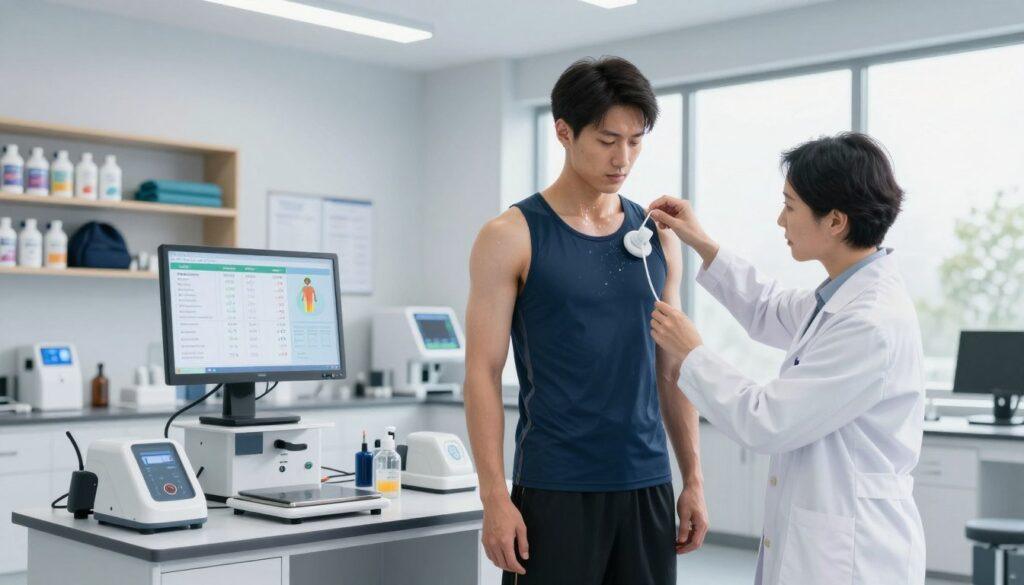
- Record your pre-exercise nude body weight in kilograms. Make sure to use the bathroom right before weighing.
- Write down how much fluid you drank during exercise in liters.
- Record your post-exercise nude body weight. Make sure to dry off all sweat before weighing.
- If you went to the bathroom during exercise, estimate and write down how much urine you lost.
To find your sweat rate, use this formula. Sweat Rate (L/hr) = [Pre-exercise weight (kg) – Post-exercise weight (kg) + Fluid intake (L) – Urine volume (L)] / Exercise time (hours). If the result is positive, you lost fluid.
This data helps you understand your sweat rate. The table below shows what different rates mean.
| Sweat Rate Category (Liters/Hour) | Typical Characteristics | Hydration Strategy Implication |
|---|---|---|
| Low (< 0.5) | Cool environment, low-intensity exercise, acclimatized athlete. | Focus on electrolyte balance over high fluid volume. Risk of overhydration is greater. |
| Moderate (0.5 – 1.5) | Most common range for team sports and moderate-intensity training. | Requires structured drinking plan. Match intake to 70-80% of sweat losses during activity. |
| High (> 1.5) | Hot/humid conditions, high-intensity endurance sports, heavy sweaters. | Aggressive, proactive fluid and electrolyte replacement is critical. Pre-cooling may be beneficial. |
Knowing your category helps plan your fluid intake. For example, if your rate is 1.2 L/hr, drink about one liter per hour of play. This helps replace lost fluids without upsetting your stomach.
Do sweat rate testing many times. Test in different weather and at different exercise levels. This gives you a full profile for all your competitions.
Your sweat rate profile is the basis for a personalized hydration plan. It helps decide how much to drink before, during, and after games. This scientific approach helps keep your eyes sharp and your body strong.
Electrolytes for Tear Film and Nerve Function
Sodium and potassium are key for more than just muscle cramps. They help keep the eyes hydrated and nerves working well. These minerals, known as electrolytes, are vital for clear vision and quick processing.
The tear film needs a certain mix of electrolytes to stay stable. Sodium pulls water to the eye’s surface. Potassium keeps it inside the cells. This balance stops the eye from drying out.
These ions are also important for vision. The retina and optic nerve use them to send signals. If there’s an imbalance, vision can slow down.
Other minerals like zinc are also important for the eyes. It helps vitamin A work, which is key for seeing in the dark. Without enough, it’s hard to adjust to dark.
Magnesium helps the muscles around the eye work right. It’s not in tears but helps the eye move smoothly. Having the right mix of electrolytes is key for good vision.
| Electrolyte/Mineral | Primary Ocular Function | Role in Vision Performance | Common Dietary Sources |
|---|---|---|---|
| Sodium | Maintains tear film osmolarity and corneal hydration. | Ensures a clear, stable optical surface; supports baseline neural excitability. | Table salt, broth, salted nuts, processed foods (in moderation). |
| Potassium | Regulates intracellular fluid balance in corneal and retinal cells. | Facilitates repolarization of nerve cells after firing, enabling rapid visual signal transmission. | Bananas, potatoes, spinach, yogurt, avocados. |
| Zinc | Cofactor for retinal enzymes; activates vitamin A. | Critical for the visual cycle and dark adaptation (night vision). | Oysters, red meat, poultry, beans, nuts, whole grains. |
| Magnesium | Supports neuromuscular function and nerve signal regulation. | Aids in control of eye movements and may help reduce ocular muscle fatigue. | Almonds, spinach, black beans, whole wheat bread, dark chocolate. |
Athletes lose sodium and potassium through sweat. This can upset the balance needed for the eyes and nerves. Replacing these electrolytes and minerals like zinc is important for athletes. It’s not just about drinking a lot of water, but also about the right mix of minerals.
In-Game Hydration Tactics by Environment (Heat, Cold, Altitude, Wind)
Heat, humidity, cold, wind, and altitude each pose unique challenges to an athlete’s hydration and tear film stability. To succeed, athletes must adjust their hydration tactics dynamically to these environmental stressors. A fixed hydration plan often fails under changing conditions.
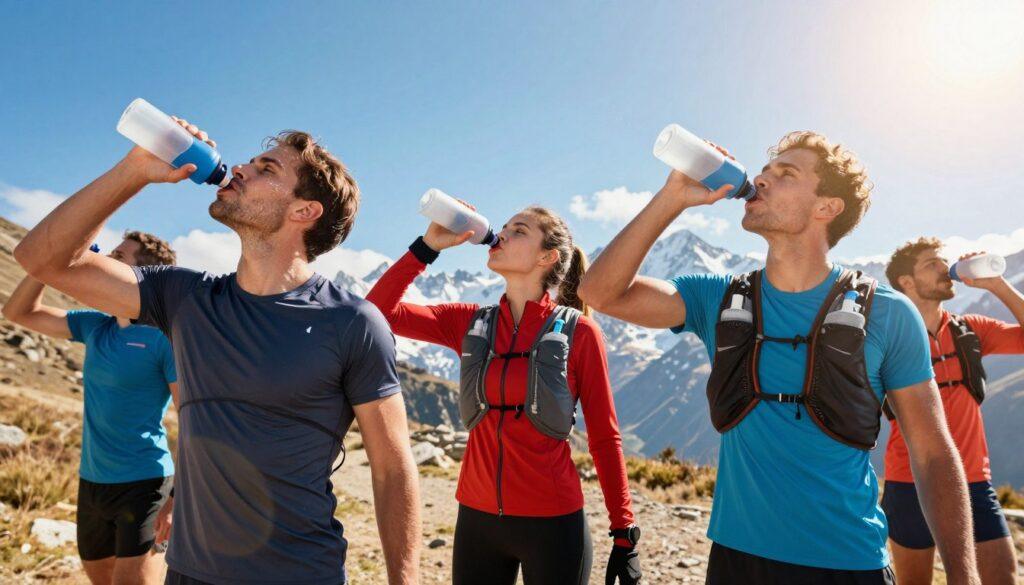
In high heat and humidity, sweat rates skyrocket. This causes quick loss of body water and electrolytes. The result is systemic dehydration, which lowers tear production. Athletes need to up their fluid and electrolyte intake before and during games.
A good strategy is to hydrate with an electrolyte solution 20 minutes before competition. Take small sips every 10-15 minutes during play. This keeps plasma volume up and supports the lacrimal glands.
Cold and windy conditions present a different challenge. Increased respiratory fluid loss happens as the body humidifies dry, cold air. Wind also speeds up tear film evaporation. This can cause severe dry eye symptoms mid-game.
Hydration tactics in these conditions include pre-loading with warm fluids. Use insulated drink bottles to keep fluids from getting too cold. Also, wear protective eyewear or goggles to shield the eyes from wind.
Altitude increases dehydration risk. Lower air pressure and oxygen levels require more breathing. This results in significant water loss through the lungs. The air at high altitude is also very dry.
Athletes training or competing at high altitudes must drink more water. Their fluid intake should be more aggressive than at sea level. They should hydrate for 24-48 hours before activity. During activity, they may need to drink 50-100% more water to offset respiratory losses and protect corneal hydration.
Each environment requires a specific response. The key is to adjust fluid intake based on the current conditions. Move from a fixed schedule to a responsive strategy.
Contact Lens and Goggle Considerations
Choosing the right eyewear is key for athletes. It affects how well they can see and how their eyes stay moist. The right gear helps manage these important aspects.
Wearing contact lenses can make eyes dry faster. The lens material can mess with the eye’s natural moisture. This is a big problem in dry or windy places, like sports fields.
Drinking enough water is even more important for lens wearers. It helps keep the eye’s moisture layer strong. But, many athletes need to use special eye drops to stay comfortable and see clearly.
Sports glasses or goggles are a must for eye protection. But, they can also affect eye moisture. The best goggles seal well but also let air through to prevent fogging.
Finding the right balance is key. You want goggles that don’t let too much air in but also don’t fog up. Modern goggles have special coatings and vents to help with this.
Choosing the right gear depends on the sport and where you play. For indoor games, a well-ventilated goggle works well. But for outdoor sports in windy weather, a tighter seal is better. The goal is to protect your eyes and keep them comfortable.
It’s important to include eyewear in your hydration plan. Try out your gear during training to see how it works. This helps you figure out if you need to drink more water or use eye drops.
Managing your contact lenses and goggles well can improve your performance. It makes sure your gear helps, not hinders, your body’s needs. This is a key part of being a top athlete.
Pre-game, During, Post-game Fluid Plans
Keeping your vision sharp on the field starts with a three-stage hydration plan. This plan keeps your fluids at the right level for your eyes and brain. Each stage has its own role.
It’s all about you. Your hydration plan should be based on how much you sweat. This way, you avoid being too dry or too wet.
Pre-game hydration is all about getting ahead. You want to start with full fluids to handle sweat loss early on.
Drink about 500-600 milliliters of fluid 2-3 hours before you play. Then, have another 200-300 milliliters 20-30 minutes before. Water is usually enough, unless it’s really hot.
During-game hydration is about keeping up. You want to drink as much as you sweat. Small sips often are best.
This helps your stomach empty slowly and keeps your blood flow steady. Aim for 150-350 milliliters every 15-20 minutes while playing.
The right amount depends on how much you sweat and the weather. Following hydration and nutrition guidelines helps you get it just right. Sports drinks might be good for longer games.
Post-game rehydration is all about catching up. You should drink 150% of what you lost. This helps with urine production too.
For every kilogram you lost, drink 1.5 liters of fluid. Make sure to include some salt to help keep the fluid in. Do this within 4-6 hours after you stop playing.
| Phase | Primary Objective | Key Strategy |
|---|---|---|
| Pre-game | Hyperhydration & Fluid Loading | 500-600ml 2-3 hours pre; 200-300ml 20-30 min pre |
| During Game | Maintain Plasma Volume & Match Sweat Loss | 150-350ml every 15-20 mins; small frequent sips |
| Post-game | Replace 150% of Fluid Loss | 1.5L per kg lost; include sodium; complete within 4-6 hours |
This plan helps your vision stay sharp. Proper hydration before the game keeps your tear film right. Drinking enough during the game stops dehydration from drying out your eyes.
Good hydration after the game helps you get ready for the next game. Athletes who stick to this plan say their eyes feel better and they see clearer.
Sample Mixes: water vs sports drink vs DIY
Not all fluids are equal when it comes to replenishing what is lost through sweat during athletic performance. The optimal choice depends on exercise duration, intensity, and environmental factors.
A comparative analysis of the primary options provides a clear framework for decision-making.
| Fluid Type | Best Use Case | Key Components | Considerations |
|---|---|---|---|
| Plain Water | Short-duration (<60 min), low-intensity exercise in temperate conditions. | H2O only. | Replenishes fluid loss without added electrolytes or calories. |
| Commercial Sports Drink | Prolonged exercise (>60-90 min), high sweat rates, hot/humid environments. | Water, carbohydrates, sodium, potassium. | Provides energy and replaces key electrolytes lost in sweat. |
| DIY Electrolyte Mix | Athletes with specific sweat profiles, dietary restrictions, or cost concerns. | Water, table salt (for sodium), salt substitute (for potassium), sweetener. | Allows for precise control over electrolyte and carbohydrate levels. |
Plain water is sufficient for most brief training sessions. It effectively restores hydration without unnecessary additives. This applies to activities like a light jog or gym workout in a climate-controlled environment.
Electrolyte-containing solutions become necessary during extended exertion. Marathon running, cycling, or team sports in heat demand more than water. The primary electrolytes in sweat are sodium and potassium. Replacing them maintains nerve function and fluid balance.
Do-it-yourself drinks offer a customizable alternative. A basic formulation targets standard concentration ranges.
- Start with one liter of water.
- Add ¼ to ½ teaspoon of table salt for sodium (approx. 575-1150 mg).
- Add a pinch of salt substitute (potassium chloride) for potassium (approx. 200-400 mg).
- Include a natural sweetener like honey or sugar for taste and energy, if desired.
These are example targets. Individual needs vary based on sweat rate and diet. Athletes should consult a health professional before adopting a new hydration regimen. A holistic approach includes comprehensive nutrition strategies for peak performance.
Monitoring: urine color, body-mass change, subjective eye comfort
Athletes can use three easy ways to check their hydration. These methods help them see how well they’re doing visually. They offer a reliable way to get feedback.
First, urine color is a daily check. If it’s pale yellow, you’re good. But darker colors mean you need more water.
This simple test helps avoid chronic dehydration. It can cause dry eyes and unstable tears.
The second way is to measure body mass before and after exercise. Losing more than 2% of body mass means you’re dehydrated.
This is key for sweat rate testing. It helps athletes know how much water to drink.
The third way is to feel how your eyes are doing. Before, during, and after exercise, pay attention to any discomfort.
Look out for dryness, grittiness, or burning. If your vision gets blurry, it might be dehydration.
Keeping track of these three things gives a full picture. Urine color shows daily hydration. Body mass change shows sweat loss. Eye comfort shows how well you’re seeing.
This method is more than just guessing. It’s a science-backed way to stay hydrated. It helps keep your vision clear and comfortable, even when you’re active.
Common Pitfalls (caffeine, alcohol, overhydration)
Three common mistakes can ruin a good fluid plan: too much caffeine, drinking alcohol, and drinking too much water. Each can harm your fluid balance and how well you see.
Caffeine is a mild diuretic. It makes you pee more, leading to losing more water if you don’t drink enough. Athletes can usually get away with some caffeine, but timing is key. Drinking it too close to a game can cause you to lose too much water at the wrong time.
Alcohol is even worse for dehydration. It stops your body from making antidiuretic hormone, making you pee a lot. Drinking alcohol after a game can also mess up your electrolyte balance. This is important for your nerves and tear film.
Drinking too much water, or hyponatremia, is very dangerous. It happens when you drink way more water than you lose through sweat. This lowers your blood sodium levels. It’s a big risk for endurance athletes who drink too much or follow a strict “drink as much as possible” rule.
Symptoms of hyponatremia include:
- Nausea and vomiting
- Headache
- Confusion or disorientation
- Swelling in hands and feet
- In severe cases, seizures or coma
To avoid this, don’t just drink whenever you want. Instead, use a hydration plan based on how much you sweat. This method is based on science, not guesswork.
Source 2 also warns against taking too much of one mineral at a time. It’s important to have the right mix of electrolytes. Sports drinks or homemade mixes should have sodium, potassium, and magnesium in the right amounts. This helps with hydration, not against it.
To avoid these mistakes, you need to know what you’re doing. Good hydration is not just about drinking the right things. It’s also about knowing what to limit or avoid.
Travel and Time-Zone Adjustments
Air travel can dry out your eyes because of low humidity in the cabin. This dry air makes your tears evaporate faster. It’s not good for your eye comfort.
Athletes need to drink water before and during flights. Drinking water little by little is better than drinking a lot at once. It’s also important to avoid drinks that dry you out, like alcohol and too much caffeine.
Adjusting your water intake to fit new time zones helps keep your body in sync. This prevents dehydration when you wake up in a new place.
Start changing your water schedule 1-2 days before you leave. Move your main water times to match your destination’s schedule. When you arrive, drink lots of water in the morning there.
Traveling to places with different climates adds to the challenge. Places at high altitudes make you lose more water through breathing. Places that are very hot and humid or very dry need you to adjust your sweat rate.
Athletes should check their sweat rate when they get to a new place. This helps them adapt to the new environment. Their fluid and electrolyte needs might change a lot.
The table below shows important changes for different travel situations.
| Travel Scenario | Primary Hydration Challenge | Recommended Protocol Adjustment | Vision Performance Focus |
|---|---|---|---|
| Long-Haul Flight | Extremely low cabin humidity | Drink 8 oz water per hour in air. Use saline eye drops. | Maintain tear film integrity to avoid blurred vision. |
| Crossing 3+ Time Zones | Disrupted drinking routine | Pre-adjust schedule. Set alarms for first 48 hours post-arrival. | Prevent morning eye dryness from overnight dehydration. |
| Competition at High Altitude | Increased insensible water loss | Increase total daily fluid volume by 15-20%. Monitor urine color closely. | Counteract the drying effect of increased respiration on eyes. |
| High Heat/Humidity Destination | Accelerated sweat loss | Carry electrolyte mix. Weigh pre- and post-training. | Ensure electrolyte balance supports nerve function for sharp focus. |
Planning is key to staying hydrated while traveling. Athletes should bring their favorite electrolyte powders or tablets. It’s also good to know about the local water quality and availability.
Following these tips helps protect your vision. It makes sure athletes are ready to perform at their best when they arrive at competitions.
One-page protocol
This protocol simplifies the article’s findings into a clear guide for top athletic performance and clear vision. It offers a step-by-step checklist for a personalized fluid plan.
Athletes start with a sweat rate test. This test shows how much fluid they lose during exercise. It helps figure out how much fluid they need to replace.
After the test, a hydration plan is made. It outlines how much fluid to drink before, during, and after games. It also includes essential electrolytes for nerve and tear film health.
It also tackles dry eye in sports. It teaches how to manage fluid intake with contact lenses or goggles. It considers factors like heat, wind, and altitude in the fluid plan.
Keeping an eye on progress is key. Athletes watch urine color, body-mass changes, and eye comfort. These signs help check hydration and eye health.
This one-page guide is a quick help for athletes. It should be updated as needed based on new results and changing situations.