
Docosahexaenoic acid (DHA) is a fatty acid found in high amounts in the brain. It is a primary structural component of the retina’s photoreceptor cells.
In these cells, DHA makes the membranes more fluid. This fluidity is key for the light-sensitive proteins like rhodopsin to work well.
This fluidity helps turn light into neural signals quickly. DHA also helps the visual cortex get the blood it needs. This ensures the brain can process information well.
The link between DHA in the retina and brain function is strong. This connection is vital for clear vision and quick processing of visual information.
Tear Film Stability and Screen/Environmental Stress
The eye’s first defense is a tiny, three-layered fluid called the tear film. It acts as the eye’s main optical surface. Keeping it stable is key for clear vision.
The top layer of the tear film is oily. It comes from the Meibomian glands on the eyelids. Its job is to keep the water layer from evaporating too fast.
But, our modern lives can mess with this delicate system. Screen time and harsh environments are big problems.
| Tear Film Layer | Primary Source | Key Function |
|---|---|---|
| Lipid (Oily) Layer | Meibomian Glands | Prevents evaporation of the aqueous layer, provides a smooth optical surface. |
| Aqueous (Watery) Layer | Lacrimal Glands | Hydrates the eye, washes away debris, supplies oxygen and nutrients. |
| Mucin (Inner) Layer | Goblet Cells | Anchors the tear film to the corneal surface, ensuring even spread. |
Looking at screens for too long makes us blink less. Studies show a 60% drop in blink rate. Not blinking enough means the tear film doesn’t cover the cornea well.
Also, things like low humidity and air conditioning dry out the eyes. This hurts the oily layer of the tear film.
This messes up the tear film, causing blurry vision and eye strain. The surface of the cornea gets damaged, leading to discomfort and tired eyes.
Bad vision quality is a result. Keeping the Meibomian gland healthy is vital for clear vision. A stable tear film is essential for seeing well, even when stressed.
Performance Links: fatigue, decision speed, recovery
Ocular surface health is key for an athlete’s quick decisions and fast recovery after effort. Poor vision can really hurt performance.
Stable tear film is vital. Without it, the eye surface gets stressed. This causes inflammation and oxidative stress, leading to visual fatigue.
Visual fatigue slows down how fast we react to what we see. It also makes it harder to see contrasts. Athletes have to work harder to understand what they see.
In fast games, this delay can be a big problem. A tiny delay in seeing a moving object can change the game.

Studies show that neuroinflammation and oxidative stress harm our brains and make us tired. Our body’s inflammation level, influenced by what we eat, affects our brain’s recovery. This affects more than just our eyes.
Eye strain makes us feel mentally and physically tired. This can make recovery take longer after we train or compete. So, fighting visual fatigue is important for athletes to do well.
Best Sources: fish, seafood, algae; mercury guidance for athletes
Getting enough long-chain omega-3s comes from two main sources: marine animals and plants. Cold-water fatty fish have the most EPA and DHA. For those who don’t eat animals, algae is a direct source.
The most potent animal-based sources are fatty, cold-water fish. These fish have lots of omega-3s in their meat. Examples include:
- Salmon (wild-caught and farmed)
- Mackerel (Atlantic, not king)
- Herring
- Sardines
- Anchovies
Other seafood like oysters, mussels, and trout also have omega-3s, but less than fatty fish. Eating these regularly helps support your vision.
Plant-based athletes can get DHA and EPA from algal oil. This oil comes from microalgae, the first to make these fatty acids. Supplements made from algal oil are clean and avoid marine contamination.
Athletes need to watch out for mercury in seafood. Big fish have more mercury because they live longer. To stay safe, eat less of:
- Shark
- Swordfish
- Tilefish
- King Mackerel
Choose smaller fish like sardines, salmon, and anchovies instead. They have lots of omega-3s and less mercury. Light canned tuna is safer than albacore. This way, athletes get the omega-3s they need without mercury.
Supplement Guide: triglyceride vs ethyl ester, dosing, timing with meals
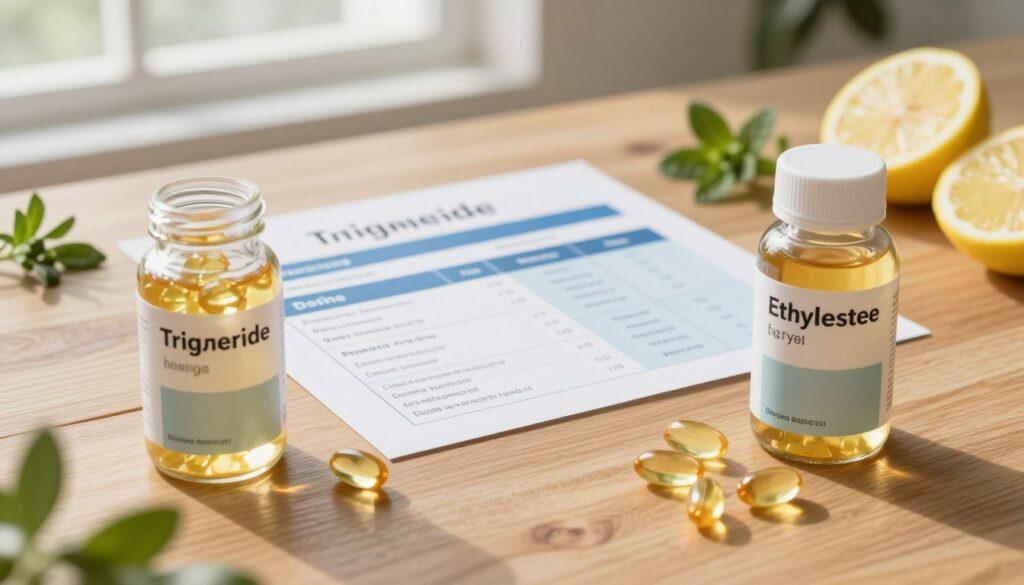
The way omega-3 fatty acids are structured affects how well our bodies absorb them. Not all supplements are created equal. There are two main types: triglyceride (TG) and ethyl ester (EE). Studies have shown us how they compare.
Natural fish oil and re-esterified triglyceride (rTG) oils are in the TG form. This is similar to the fats we find in food. Ethyl ester, on the other hand, is made during the concentration and purification of oils. Research shows that TG forms are more easily absorbed by the body.
The body can absorb TG molecules more efficiently. This means fewer steps are needed for digestion. Ethyl esters, though, need to be changed back into triglycerides in the intestine before they can be absorbed. This extra step can reduce the amount of EPA and DHA that gets into the bloodstream.
| Form | Source & Structure | Bioavailability | Key Consideration |
|---|---|---|---|
| Triglyceride (TG & rTG) | Natural fish oil; re-esterified concentrate. Three fatty acids on a glycerol backbone. | Significantly higher. Up to 70% better absorption in some studies. | Closest to dietary form. Preferred for consistent plasma levels. |
| Ethyl Ester (EE) | Synthetic, concentrated form. Fatty acid attached to an ethanol molecule. | Lower relative absorption. Requires enzymatic conversion. | Often less expensive. Absorption heavily dependent on meal fat content. |
| Comparison Metric | Molecular Configuration | Plasma Increase Post-Dose | Athlete Suitability |
| Triglyceride (TG & rTG) | Natural configuration | High and rapid | Highly suitable for reliable dosing. |
| Ethyl Ester (EE) | Modified configuration | Slower and variable | Conditionally suitable with strict meal timing. |
For athletes, research suggests a daily intake of 1–2 grams of EPA and DHA. This supports the eyes and helps manage inflammation from exercise. Starting with a lower dose helps gauge how well the body tolerates it.
When to take supplements is just as important as what to take. They should be taken with the biggest meal of the day. This meal should also have fat in it. Fat helps release bile and activates enzymes needed for oil breakdown.
Not taking omega-3s with enough fat can greatly reduce their absorption. This is even more true for ethyl ester forms.
Ensuring the quality of supplements is also key. Look for third-party purity certifications like IFOS, USP, or NSF International. These confirm the product is free from harmful substances.
Certifications also verify the product’s potency. Athletes should always look for these to ensure they’re getting the dosage of 1–2 g EPA+DHA they need.
Synergies: vitamin D, antioxidants
Vitamin D and antioxidants work together to boost the benefits of omega-3 fatty acids for athletes. Nutrients are more effective when they work together. Their combined effect is greater than each one alone.
Vitamin D and omega-3s have a strong partnership. They both help control inflammation in the body. Vitamin D affects immune cells, while omega-3s help in resolving inflammation.
This teamwork is key during intense training. It helps with recovery and keeps cells talking to each other. Together, they might even help more with visual signals than alone.
Antioxidants protect omega-3s from damage caused by exercise. Exercise can harm cell membranes. DHA, with its many double bonds, is at high risk of damage.
Important antioxidants include:
- Vitamin E: It goes into cell membranes to fight off free radicals
- Vitamin C: It helps by regenerating vitamin E and works in water
- Carotenoids like lutein: They build up in eye tissues for extra protection
These antioxidants keep omega-3 fats safe from damage. This helps keep cell membranes working well. It keeps visual pigments and signals strong during stress.
This strategy helps keep cells strong in many ways. Vitamin D and antioxidants create a better environment for the body. They help with inflammation and protect against damage at the same time.
Athletes looking to improve their eye health should think about these partnerships. Eating foods rich in vitamin D and omega-3s is a good start. Adding colorful fruits and veggies gives the antioxidants needed.
This way of eating is a smart nutritional plan. It goes beyond just taking one supplement. It helps protect the eyes and makes athletes more resilient during training.
Practical Menus for Travel and Tournaments
For athletes, getting enough omega-3 is key for clear vision. Travel and tournaments mess up eating times. This can hurt the tear film and vision needed for top performance.
It’s important to eat foods that are easy to carry and full of nutrients. These foods should keep energy levels up and provide the right nutrients. DHA is needed to help the eyes under stress.
There are easy ways to get omega-3. Canned sardines and salmon pouches are great sources. Flaxseed or chia seed packets are good for fiber and energy.
The table below shows good meal choices for a day of travel.
| Meal | Food Options | Key Omega-3 Source | Nutritional Focus |
|---|---|---|---|
| Breakfast | Greek yogurt with walnuts & honey, whole-grain bagel | Walnuts (ALA) | Protein, sustained carbohydrates |
| Lunch | Whole-wheat wrap with canned salmon, spinach, avocado | Canned Salmon (EPA/DHA) | Lean protein, healthy fats, fiber |
| Snack | Almonds, salmon jerky, flaxseed cracker packs | Flaxseed (ALA), Salmon Jerky (EPA/DHA) | Portable energy, micronutrients |
| Dinner | Pre-cooked quinoa pouch with sardines and steamed veggie mix | Sardines (EPA/DHA) | Complete meal, recovery nutrients |
Drinking enough water is also very important. Not drinking enough can make the eyes dry. Athletes should drink water all day, not just during games.
During long games, electrolyte drinks might be needed. But, sugary drinks can cause inflammation. Water is best for keeping cells healthy.
Athletes with contact lenses face extra risks. Airplane cabins and new places can dry out the eyes fast. This makes the eyes dry out even more.
Contact lens wearers are more likely to get dry eyes from these things. The lens can also mess with the eyes. Taking care of the eyes is very important for clear vision.
There are a few things athletes can do. Blinking more when looking at screens helps spread tears. Using eye drops before the eyes get dry is also good.
Most importantly, getting enough omega-3 every day is key. It helps keep the eyes’ tear film healthy. This is important for fighting dryness from lenses and travel. It’s a big part of a good performance plan.
Using these meal plans and eye care tips helps athletes focus on the game. Eating right and taking care of the eyes is important for performance. A good plan helps avoid eye fatigue that can slow down quick decisions.
Considerations for Vegans and Younger Athletes
Meeting DHA needs is special for athletes on plant-based diets and those growing up. They need specific nutrition plans because of their unique needs and limits.
Vegan athletes can’t get EPA and DHA from fish or seafood. Instead, they rely on alpha-linolenic acid from flaxseed, chia, and walnuts. But, the body only converts a small part of ALA into EPA and DHA.
This conversion is often less than 10%. It’s hard to get enough DHA for top vision and brain work just from food. Algal oil supplements offer a direct, plant-based source of DHA and EPA. They skip the slow conversion process.
Younger athletes have different needs. Their eyes and brains are growing. Getting enough DHA helps their vision and brain work later on.
The right amount of DHA depends on weight and age. Kids need 100-150 mg of DHA each day. Teen athletes might need more, but less than adults.
| Consideration Area | Vegan Athletes | Younger Athletes |
|---|---|---|
| Primary Challenge | Inefficient ALA to DHA conversion | Developmental retinal and neural maturation |
| Recommended Source | Direct DHA from algal oil | Age-appropriate fish intake or supplements |
| Dosage Guidance | 200-300 mg DHA daily, from supplements | 100-150 mg DHA daily, weight-adjusted |
| Key Timing | Consistent daily intake for stable levels | Critical during growth spurts and training phases |
Vegan athletes can’t just rely on flaxseed or walnuts. Blood tests can check DHA levels. Supplements made from algal oil are safe and reliable.
Parents and coaches of young athletes should focus on good food basics. Adding fatty fish is good if it’s okay. If not, a high-quality algal oil supplement can help.
Both groups need a plan that fits them. One size doesn’t fit all. Checking each athlete’s needs ensures their eyes and brains get what they need.
Monitoring Outcomes: dryness scales, blink rate, contrast tests
Tracking how nutrition affects eye health is key. Athletes who take omega-3 supplements see real benefits. They notice better vision and comfort.
Subjective tests use questionnaires like the Ocular Surface Disease Index (OSDI). It measures dry eye symptoms like grittiness and light sensitivity.
By regularly answering these questions, athletes can see how their symptoms change. A lower score means they’re getting better.
Objective tests look at what athletes can do. Blink rate is an easy one to track. When athletes focus too much, like on screens, they blink less.
This less blinking leads to dry eyes. The 20-20-20 rule helps. It tells athletes to look away from screens every 20 minutes for 20 seconds.
This rule helps athletes blink more. Using a timer makes it easier to follow. It keeps eyes moist during long training.
Clinical tests like contrast sensitivity tests are also useful. They check how well athletes see in different light conditions.
These tests show if vision is improving. This is important for athletes who perform in low light or glare.
Athletes should keep a log of their omega-3 intake and vision tests. It helps them see how nutrition affects their eyes and performance.
Safety and anti-doping notes
It’s important for athletes to know if EPA and DHA are safe. Omega-3 fatty acid supplements are safe when used right. They help athletes without risking their health.
For athletes, taking up to 3 grams of EPA and DHA daily is safe. This amount helps with eye and body health. Taking more than this is not advised for long periods.
But, taking too much EPA and DHA, over 3 grams a day, might be risky. It could slightly increase the chance of atrial fibrillation. Athletes should not take too much without a doctor’s okay.
Omega-3s, like EPA, can make blood less likely to clot. But, this is not as strong as blood thinners. Athletes need to be careful.
Athletes on blood thinners like warfarin should talk to a doctor before taking omega-3s. Telling a team doctor is key to avoid bad reactions.
From an anti-doping view, omega-3s are okay. The World Anti-Doping Agency doesn’t ban them. They are seen as a good nutritional choice.
The main rule is to talk openly about supplements. Athletes must tell doctors about fish oil and other supplements. This keeps everyone safe and informed.
Quick-start plan
Athletes can see real improvements in their visual performance by following a simple, six-step plan. This plan is based on the science of omega-3s.
Start by checking how much EPA and DHA you get from foods like salmon or fortified products. Then, pick a high-quality omega-3 supplement in triglyceride form. Make sure it’s pure and safe.
Next, take one to two grams of EPA and DHA each day. Take it with your biggest meal to help your body absorb it better.
Then, make some changes to your environment. Use a humidifier to fight dry air. Also, follow the 20-20-20 rule when you’re on screens to avoid eye strain.
After that, set some baseline measurements. Use journals or special scales to track how dry your eyes feel and how tired your eyes get. Wait at least eight to twelve weeks before checking these again.
This wait is important. It lets your body fully use the omega-3s. You’ll see a drop in inflammation and better eye health.
Stick to this plan and you’ll see real changes. Your eyes will feel better and you’ll see things faster in just a few weeks.