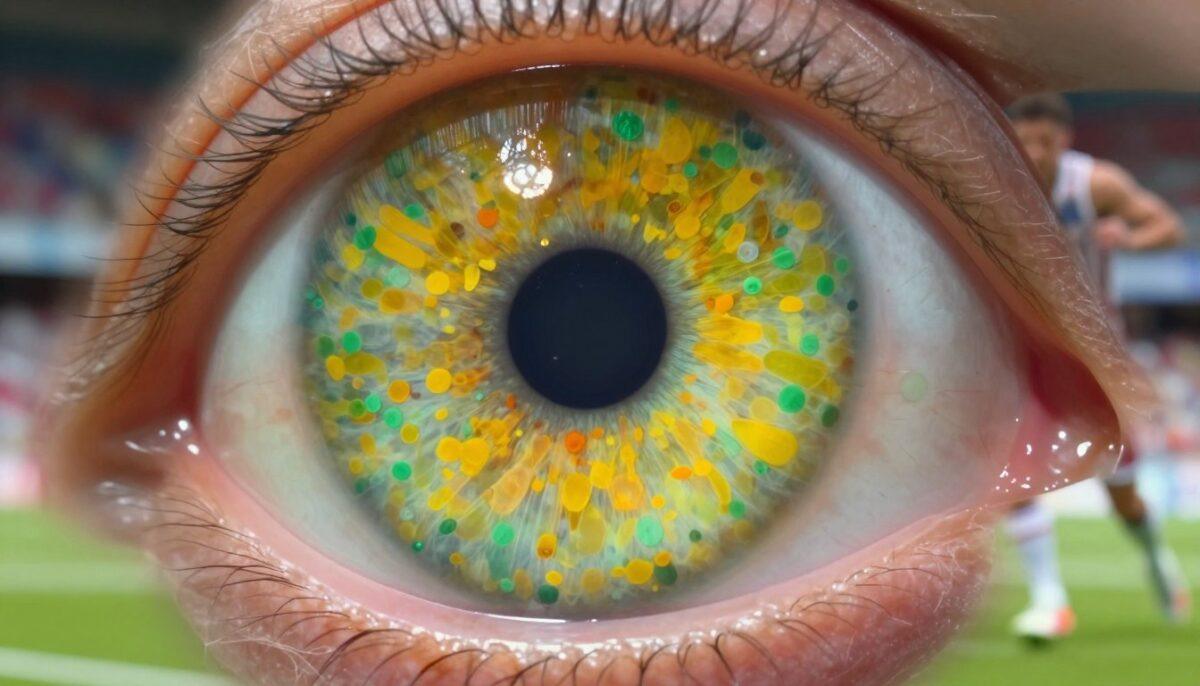
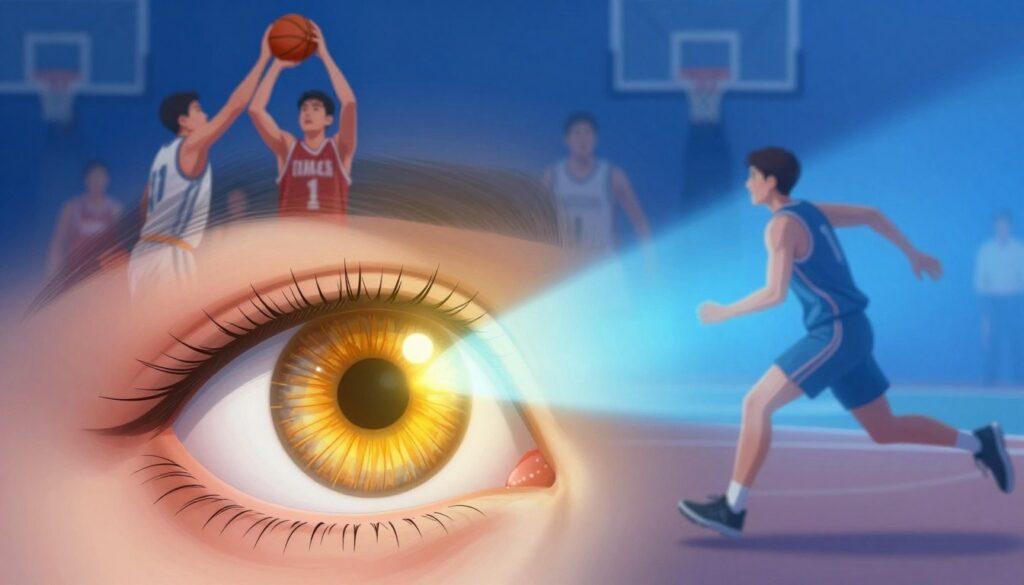
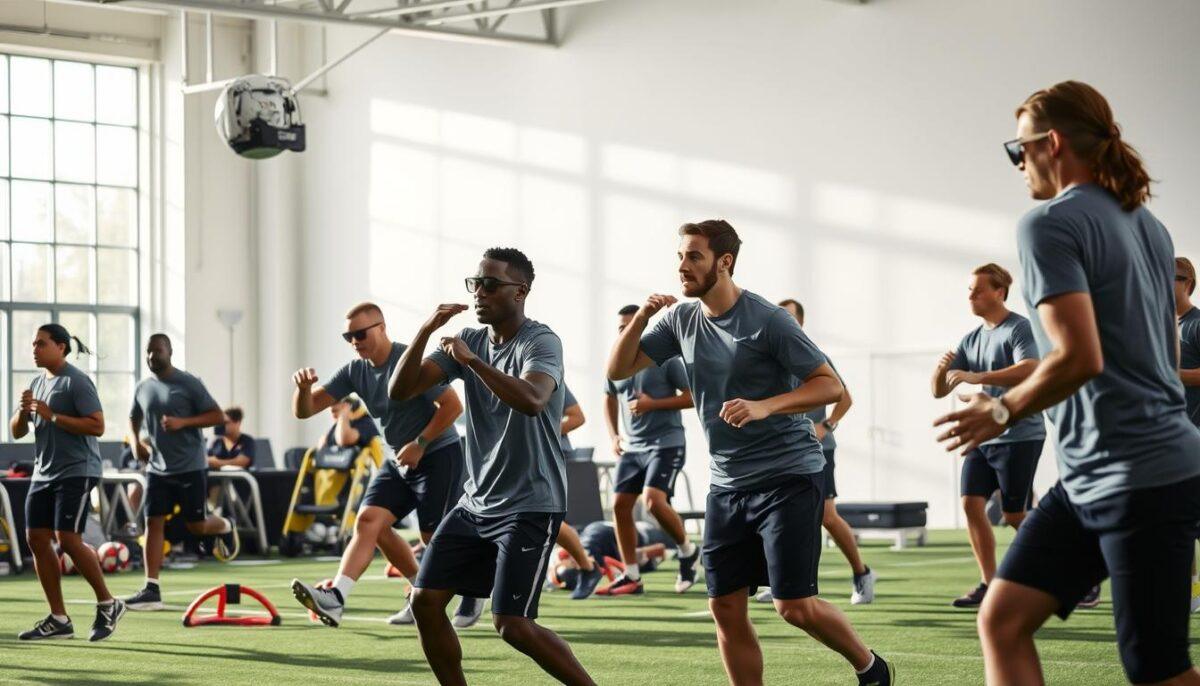
For athletes returning from injury or trying to refine performance, foveal and peripheral vision should not be treated as separate systems working in isolation. Central vision gives high-detail information for the exact moment of execution. Peripheral vision helps an athlete monitor movement away from the point of fixation. The evidence does not support simple claims that one drill or one device can create elite vision. It does support a more careful view: skilled athletes appear to combine central fixation and wider visual awareness in ways that match the demands of their sport.
As a vision science advocate focused on rehabilitation, I see this as a practical performance issue rather than a marketing slogan. After an injury, athletes may not only need strength, balance, and conditioning work. They may also need a plan for rebuilding how they scan, react, and make decisions under sport-like visual load. That plan should be measured, cautious, and guided by professionals who understand both vision and return-to-play demands.
Why Foveal and Peripheral Vision Matters
Central Clarity And Wide Awareness
Foveal vision is the high-acuity central part of seeing. It is the visual channel most involved in reading fine detail, judging a target, or checking the exact position of a ball, rim, racket face, or opponent’s hands. In sport, that clarity can matter during a free throw, a serve return, a strike, or a pass into a narrow lane.
Peripheral vision is less about fine detail and more about detecting motion, position, and change outside the center of gaze. It helps an athlete sense a defender closing from the side, a teammate cutting into space, or a ball carrier shifting direction. In dynamic team sports, those cues can shape timing before the athlete has time to look directly at every object or person.
Foveal and Peripheral Vision Evidence
A 2025 systematic review and meta-analysis of 22 studies with 1,113 team-sport athletes found that multiple visual skills correlated with sport performance. Motion object tracking had the strongest association across team sports, with r = 0.54, while visual acuity showed a moderate association, with r = 0.39, according to the systematic review. These are correlations, not proof that improving one measure alone will raise performance. Still, the pattern fits what coaches often observe: precision and awareness both matter.
The practical reading of foveal and peripheral vision evidence is not that athletes should stare less or scan more at random. It is that gaze behavior has to match the task. A shooter may need quiet central fixation before release. A defender may need to hold central gaze in one useful area while detecting movement at the edge of vision. The best strategy depends on the sport, phase of play, and injury status.
Game Decisions Under Visual Load
Peripheral Cues Are Not Unlimited
Peripheral vision is valuable, but it has limits. A 2023 study of basketball defenders in 4v4 defensive scenarios found that players were slower and less accurate when responding to opponents positioned farther from central vision. More than half of gaze fixations were on peripheral players, suggesting that athletes often use central vision to update information from players who had first been monitored away from direct gaze, as described in the basketball decision-making study.
That finding matters for training and rehabilitation. It warns against assuming that wider awareness is always stable under pressure. As eccentricity increases, the information becomes harder to use quickly and accurately. A defender may sense motion at the edge of view but still need a brief central check to confirm direction, spacing, or intent.
The Pivot Gaze Strategy
The basketball research points toward a “pivot” gaze strategy: athletes may hold or shift gaze in ways that let central vision refresh information while peripheral vision monitors the scene between those updates. This is a useful concept for open-skill sports such as basketball, handball, volleyball, soccer, and similar settings where players, targets, and spaces keep changing.
For rehabilitation, that strategy needs careful progression. An athlete who performs well in a quiet clinic setting may still struggle when multiple players move at once. The demand is not only seeing. It is seeing, deciding, and moving while attention is divided. That is why return-to-sport testing should not rely only on static acuity charts if the sport requires rapid decisions in motion.
Training And Testing Evidence
What Training Studies Suggest
Research in junior team-sport athletes has reported improvements after a six-week program using light-based stimuli to target peripheral visual response. The reported study included 412 junior athletes in handball, basketball, and volleyball, and found significant gains in manual reaction times for stimuli in unilateral and bilateral peripheral fields. Handball and basketball athletes showed some of the largest gains in that research set.
Those findings are promising, but they should be interpreted with care. Faster response to a light stimulus is not identical to better game performance. A light board does not fully recreate the cues of a defender’s hips, a teammate’s angle, or a ball changing speed. Training tools may be useful when they are tied to sport-specific tasks, but they should not replace field-based decision drills. Readers interested in applied awareness tools can review this related discussion of peripheral vision tools.
Testing Should Match Sport Demands
Testing should ask what the athlete actually needs to do. A baseball hitter, basketball defender, volleyball libero, and tennis player do not use vision in the same way. Static clarity, motion tracking, reaction timing, and decision accuracy can all matter, but their weight changes by task.
A cautious testing plan may include central visual acuity, gaze behavior, motion tracking, peripheral reaction measures, and sport-like decision tasks. The aim is not to label an athlete as “good” or “bad” at vision. The aim is to identify which visual demands break down under fatigue, speed, lighting, or post-injury load. For related resources and insights on vision science, readers can explore what SGTT offers within the same network.
Rehabilitation Boundaries For Athletes
After Injury, Load Must Be Managed
Injury rehabilitation is where vision work can be most misunderstood. If an athlete has symptoms after head, eye, or neck trauma, visual training should not be used as a substitute for clinical evaluation. Vision drills may place demands on attention, eye movements, balance, and reaction timing. That can be useful in a planned progression, but it can also overload an athlete if introduced too quickly.
In practical terms, foveal and peripheral vision work after injury should start with tolerance. Can the athlete fixate without discomfort? Can they track a moving object? Can they respond to side cues without losing balance, accuracy, or symptom control? If the answer changes under fatigue, brighter light, or faster motion, that information should shape the next step.
Performance Claims Need Restraint
The strongest evidence in the supplied research shows associations between visual skills and performance, plus early support for targeted training effects in some settings. That is not the same as proof that a single vision program will improve competition outcomes for every athlete. Age, sport, training history, injury status, and testing method all influence interpretation.
This restraint is not pessimism. It protects athletes from overpromising. Vision can be trained and assessed, but transfer to sport should be demonstrated through sport-relevant measures: decision accuracy, timing, tracking under pressure, and safe return to practice demands. The most useful plans connect clinic findings with field behavior.
Foveal and Peripheral Vision in Athletic Performance Optimization
A Practical Performance Model
A balanced model starts with three questions. First, what detail must the athlete see clearly? Second, what movement must they monitor away from direct gaze? Third, how does injury history change tolerance for speed, light, fatigue, or divided attention? These questions keep vision work grounded in function rather than novelty.
For athletes, foveal and peripheral vision are best understood as partners. Central vision supports precision. Peripheral vision supports awareness of changing context. Expert performance appears to depend on coordinating both, not maximizing one at the expense of the other. In rehabilitation and performance planning, the safest path is measured progression, sport-specific testing, and honest interpretation of what the evidence can and cannot prove.
Let’s clear up the confusion. Missing a catch or swinging late isn’t just bad luck. It’s a breakdown in a high-stakes, behind-the-eyes race.
Performance relies on a delicate chain. First, visual processing spots the object. Then, cognitive decision-making decides if it’s a threat or chance. Lastly, the motor response tells your muscles what to do.
Where does this chain often break? Science says it’s usually the first link. Studies on drivers show a clear link. Poor contrast sensitivity and vision lead to slow reaction times.
Glare is a big enemy for athletes. The sun’s glare or reflected light off a wet field doesn’t just hurt. It scatters light, hiding important details and hurting your glare control.
So, before blaming your hands or timing, ask a better question. Is your visual system fast enough for your brain to process?
Contrast Sensitivity Tests and On-Field Meaning Under Clouds, Dusk, or Bright Sun
Forget the sterile Snellen chart. Your real visual superpower is tested when a fastball dissolves into the twilight.
20/20 vision is cool for the optometrist’s office. It’s perfect for reading letters on a white wall. But the field is different. It’s all about subtle shades.
So, what is contrast sensitivity? It’s your eye’s skill to spot an object against a similar background. Imagine a grey football against a grey sky. Or a tennis ball in sun-dappled shade. It’s not about clear vision. It’s about seeing what’s there.
The quantitative Contrast Sensitivity Function (CSF) test measures this skill. It shows how well you see different shades and details. Research shows poor CSF scores mean you’ll struggle in low light and glare. It’s even better at predicting real-world skills than standard vision tests.
In sports, poor contrast sensitivity can be a big problem. Imagine trying to see a pedestrian in headlight glare. Or tracking a puck in bright arena lights. The science of night games and dusk performance is all about contrast.
This metric is key when the lighting is dramatic. During the “golden hour,” shadows stretch and the ball seems to disappear. When a cloud blocks the sun, creating instant shade. Or when stadium lights make a harsh island of light in a sea of darkness.
Your prescription helps with sharpness. But contrast sensitivity is what gives you the edge. It’s the difference between seeing something clearly and just guessing.
Managing Glare: Bills, Visors, Rules, Where Allowed, Anti-Reflective Coatings, Hats
Glare is like a cheat code for the sun, but it cheats against you. It messes with your vision when you need it most. Studies show glare doesn’t just make you squint. It also hurts your visual function and reaction time.
Your brain struggles to process the light instead of the game. This is a serious problem, not just about looks.
To fight glare, you need the right gear. Let’s look at the options like generals surveying the battlefield.
The baseball cap is a basic shield against glare. Its bill creates a shadow, giving you a clear view. But, at certain times, the cap’s shadow can block your view. You might miss a fly ball because of your hat.
Performance visors offer better protection. They’re like caps on steroids, giving you a wider, clearer shield. But, league rules can be strict about visor use. Always check the rules before using a visor.
Anti-reflective (AR) coatings are a secret weapon. They’re not just for reading glasses. AR coatings on any lens block reflections from behind. It’s like quieting a noisy room, making the game clearer.
Lens technology is the real game-changer. Polarized lenses are top-notch, blocking glare from water and asphalt. They reduce squinting and eye fatigue, helping you stay focused.
Don’t forget about hats beyond baseball caps. Wide-brimmed hats are great for sports like golf or fishing. They offer a big shadow umbrella. Choose the right tool for your sport’s lighting and movement.
Choosing your gear is a strategic move. Here’s a breakdown of your main options.
Tool
Primary Mechanism
Ideal Scenario
Key Consideration
Baseball Cap
Direct physical shadow
Overhead sun; quick, head-on movements
Can obstruct low-angle sight lines
Performance Visor
Extended clear or tinted shield
Bright, consistent light; need for unobstructed upward view
Often subject to strict league legality rules
Polarized Lenses
Filters horizontal light waves
Glare from reflective surfaces (water, metal, glass)
Can reduce LCD screen visibility; not for all tinted lenses
Anti-Reflective Coating
Cancels internal lens reflections
Any sport where you wear corrective lenses or goggles
Must be professionally applied; protects from rear glare
Photochromic Lenses
Auto-adjust tint based on UV exposure
Variable conditions moving from shade to sun
Transition speed may lag behind rapid environmental changes
Waging war on glare means using every advantage. A cap with tinted and photochromic lenses and AR coating is a strong defense. It helps your brain get clear signals, free from light interference. When you manage glare well, you see better and think faster.
Tint Choices: Amber, Gray, Green by Sport and When to Avoid Tints
Amber, gray, green are more than colors; they’re smart choices for your lenses. Picking a tinted lenses is like choosing a filter for your world. It changes how you see things, from the field to the details.
We match tint with sport to give you a legal edge. Let’s explore the options.
Amber and Brown Tints: The Contrast Kings. These lenses make colors pop by blocking blue light. This makes a white baseball stand out against a gray sky. They’re great for sports like baseball and golf, where seeing details matters.
Gray Tints: The Neutralizers. Gray lenses reduce brightness evenly without changing colors. They’re perfect for sports like tennis and skiing, where the sun is too bright. Gray lenses help you see clearly without distortion.
Green tints are similar to gray but with a bit of a different look. But amber and gray are the top choices.
Tint Color
Best For Sports Like…
Primary Effect
Think Of It As…
Amber/Brown
Baseball, Golf, Shooting
Boosts contrast, cuts blue haze
A high-definition filter for grass and sky
Gray
Tennis, Skiing, Sailing
Reduces brightness, preserves true color
A neutral density filter for blinding light
Green
Football, Soccer, Lacrosse
Moderate glare reduction, comfortable view
A general-purpose light manager for varied fields
But there’s a catch: don’t usetinted lenseswhen it’s dark. They can be a problem in low light.
At night games or in dimly lit arenas, clear lenses are best. Tints can block too much light, making it hard to see. This is true for cloudy days or indoor sports with poor lighting.
Choosing the right tint is both art and science. It’s about matching the lens to the situation. The right tint can enhance your vision, making it more than just sunglasses.
Photochromic Pros and Cons for Shade-to-Sun Transitions
Imagine a lens that changes color like a chameleon. No need to switch glasses between the dugout and the field. Photochromic technology makes this possible. It’s like having a multitool for your eyes.
These lenses react to UV light. When it’s sunny, they get darker. When it’s not, they clear up. It’s like they adapt to the light automatically.
The biggest plus is how convenient they are. You only need one pair for everything. Going from dark to light? The lenses adjust. It’s perfect for athletes who value simplicity.
But, there are downsides. They don’t always change color fast enough. On very sunny days, they might not get dark enough quickly. Cold weather can also slow them down.
So, are they good for everything? They’re great for changing light conditions. But for very bright, constant light, you might need something else. They’re not perfect, but they’re close.
Aspect
Pro (The Advantage)
Con (The Caveat)
Adaptation Speed
Handles gradual light shifts seamlessly.
Can be too slow for sudden, intense sun exposure.
Convenience Factor
One pair for all conditions; no extra gear.
May compromise peak performance in consistent extremes.
Environmental Dependence
React automatically to UV light levels.
Effectiveness can be reduced by extreme heat or cold.
Cost Over Time
Long-term value by replacing multiple pairs.
Higher upfront cost compared to single-purpose lenses.
Versatility
Ideal for athletes in frequently changing environments.
Not the optimal choice for specialists in static, bright light.
Who should use them? Athletes who don’t want to carry extra glasses will love them. For those with changing light, they’re a good pick. But for constant bright light, you might need something else. Don’t get too excited without knowing the catch.
Lighting Standards for Safe Practice and Portable Options
The difference between minor league and the big leagues isn’t just talent. It’s about the light. A 7 PM practice under old floodlights feels like playing in a murky pond. But a stadium night game is crystal clear. It’s not just in your head; it’s about the light.
Science from driving shows us vision in three lighting conditions: photopic, mesopic, and scotopic. On the field, we mostly deal with mesopic and photopic. But glare is a big problem. It’s when a bright light source messes with your vision.
So, what’s the magic number? For safe play, we need a certain light level. It’s like the minimum wattage to keep the game fair.
The table below shows what you need for a good discussion with the facilities manager.
Lighting Condition
Typical Lux Level
Suitable For
Glare Risk & Notes
Photopic (Full Day)
10,000+ lux
Day games, any activity
Low. Natural light is diffuse. Sunglasses are for comfort, not safety.
Mesopic (Dusk / Twilight)
50 – 500 lux
Early evening practice, casual play
Moderate to High. Shadows get long, and contrast drops. Portable lights are key here.
Managed Night (Floodlit)
500 – 2000 lux
Official night games, tournaments
High. Needs professional design. Bad glare control creates dangers.
Inadequate Night
Below 50 lux
Should be canceled
Extreme. Depth perception fails. Injury risk jumps. Don’t do it.
When the sun goes down and the budget is tight, what’s a coach to do? Portable LED floodlights are a game-changer. They’re not the old, blinding lights. Today’s models are adjustable, focused, and even battery-powered.
The goal isn’t to match a pro stadium. It’s to make your field safe for evening drills. Use two units at corners, pointing at 45 degrees. This reduces shadows and controls glare.
Remember, the rules are in place for a reason. A well-lit field is safer and more professional. It makes evening reps valuable. Next time someone says the lights are “fine,” ask for the lux reading. You’ll see the confusion turn to respect.
Simple Pregame Visual Warmups: Pursuit, Saccade, and Fixation
Visual warmups are like tuning a Formula 1 engine before racing. Skipping them can slow down your reaction time. You prepare your body, but if your eyes are slow, your game suffers.
These drills need no equipment. They’re like exercises for your eyes, making them ready for action. Let’s look at the three main ones.
Saccades: The Tickertape Drill. Saccades are quick eye movements. To warm up, imagine you’re a day trader. Stand in front of a blank wall and quickly look left and right, then up and down. It’s about speed and accuracy, not smoothness.
Pursuit: The Cinematographer’s Pan. This drill is about smooth eye movements, like following a moving target. Hold your thumb up and move it in a figure-eight pattern. Follow it with your eyes, keeping your head steady. It’s about keeping focus without interruption.
Fixation: The Sniper’s Hold. This drill helps you keep your eyes steady on one point. Pick a small detail and stare at it for 20-30 seconds. It’s about resisting distractions and staying focused.
Doing these drills for 2-3 minutes before playing gets you ready. It turns your vision from passive to active. You don’t just look faster; you actually see faster. It’s like adding to your reaction time savings, and it grows with each practice.
Tracking Outcomes: Late Reactions, Foul Tip Exposure, and Missed Picks
Ever felt a foul tip sting your glove? It might not be a pitch you couldn’t hit. It could be a contrast sensitivity issue you didn’t know about. In today’s world, every swing and miss is recorded. But we rarely check our visual failures that lead to these errors.
Imagine being your own vision data analyst. Your personal highlight reel of blunders is your raw data. This includes the late swing on a fastball, the pop fly lost in twilight, and the missed pick that led to an easy basket. These aren’t just bad luck; they’re signs of a problem.
Researchers studying driving use reaction time and lane deviation to understand vision failures. A late swing is like a slow reaction time. Drifting out of position is like your athletic SDLP.
Let’s create a simple way to diagnose these issues. Stop saying “I lost it in the sun.” Start figuring out which visual system failed.
The Late Reaction: You see the pitch, but your swing is always a hair behind. This is a reaction time test, often tied to inadequate contrast between the ball and the background. Is it worse at dusk? That’s your mesopic (low-light) contrast sensitivity waving a red flag.
The Foul Tip Exposure: You barely nicked it, feeling the sting. This often isn’t about bat speed. It’s about losing the ball’s spin or seam orientation in the millisecond it passes from shadow into light. Your eyes failed to maintain contrast across that transition.
The Missed Pick: In basketball or football, a teammate’s screen or a defender’s shift blindsides you. This is rarely a focus issue. It’s a peripheral vision or pursuit tracking fail. Your eyes were locked on your direct mark, not softly surveying the whole scene.
Changing your mindset is key. It shifts you from frustration to a forensic approach. That “unhittable” slider at dusk? Maybe your amber-tinted lens was the wrong choice for that lighting condition, murdering your contrast. That pop fly lost in the clouds? A direct challenge to your dynamic visual acuity, not just the sun’s glare.
Start keeping a mental—or actual—log. Note the error, the lighting, and your immediate excuse. Then cross-reference it with the visual skills we’ve discussed. You’ll begin to see patterns. You’ll stop blaming the sky and start training your eyes. That’s how you turn a highlight reel of errors into a blueprint for better performance.
Hydration and Tear Film Stability: Dry Eye Slows Blink and Timing
Imagine your eyes as a high-definition camera. Your tear film is like the perfect lens coating. But, dehydration makes it like smearing vaseline on the lens before a big shot. It’s not about muscle cramps. It’s about staying hydrated.
The tear film is your body’s first lens. It smooths out tiny imperfections on your cornea. A stable film gives you a clear view. But, even a little dehydration can make it break up, blurring your vision.
This makes contrast sensitivity harder. A broken tear film scatters light like a dirty windshield in the rain. The gray of a ball against a cloudy sky? Gone. The sharp edge of a player in dusk light? Blended.
Stress also changes your blink. Under pressure, your blink rate can slow down or become incomplete. Each incomplete blink fails to spread a fresh layer of tears. Now, you’re staring, trying to clear a cloudy image, while the play develops in milliseconds you no longer have.
Think of it as a biological buffer that’s run dry. The result isn’t just discomfort. It’s a direct hit on visual timing. That foul tip you usually foul off? You’re late. The pick you always see coming? It’s a surprise. The milliseconds lost clearing a blurred image are milliseconds you can’t get back.
Let’s break down the visual cost of letting your tear film stability crash:
Visual Factor
Hydrated & Stable
Dehydrated & Unstable
Tear Film Integrity
Smooth, even optical surface
Patchy, broken surface causing light scatter
Blink Rate & Quality
Regular, complete refreshes
Irregular, often incomplete under stress
Contrast Perception
High; edges and details are sharp
Low; details blend into background
Reaction Time
Optimal; no processing delay
Slowed; brain compensates for blur
The fix is simple, yet many ignore it. Drink water consistently, not just before practice. Your eyes need a steady supply, not a flood. Also, be aware of your blink, specially during focused drills. Consciously complete a few full blinks to reset the film.
This is doubly important for anyone dealing with digital screen time, which zaps blink rates and dries eyes. If your pre-game routine involves a screen, you’re starting with a handicap.
So, the next time your timing feels off, don’t just blame the lighting or your gloves. Ask yourself: did I drink enough water for my eyes? It’s the cheapest, easiest performance upgrade you’ll ever make. Keep that film stable, and keep your vision in focus.
Safety First: When Vision Feels Off, Pause Contact Drills
We’ve explored the science of glare and the art of tint. We’ve also looked at the importance of visual warmups. The most important thing isn’t a piece of gear. It’s knowing when to stop.
Kenny Rogers’ wisdom is key here. It’s not just for poker. Knowing when to hold on and when to fold is essential.
All the fancy lenses and coatings can’t replace your own judgment. Your vision is critical. If it’s off, your reaction time will be too.
Glare halos, slow focus, and dry eye are more than just minor issues. They’re warning signs. They tell you something’s wrong.
It’s time for a change. It’s smart to take a break when needed. Is it worth risking injury for one more rep?
Studies show that bad vision can lead to accidents. This is true on the field as well. Compromised vision means compromised safety.
Think about your players’ and your own health first. The best reaction time is the one that keeps you safe. If your vision is off, stop and reassess.
The human eye has a natural defense layer in its most critical area. This shield is called the macular pigment. It sits in the central retina, known as the macula.
This pigment is made of lutein and zeaxanthin, compounds we get from food. It acts as a filter for our eyes. Its main role is to block high-energy blue light.
This filtering does a lot for us. It makes colors stand out more. It also cuts down glare from bright lights, like stadium lights.
It also helps our eyes recover quickly after a sudden light. For athletes, this is key. It lets them track fast-moving balls or see where opponents are in a split second.
Scientists measure how strong this layer is. They call this measurement macular pigment optical density (MPOD). A higher MPOD means better eye performance.
Our eyes work hard and can get stressed. A strong macular pigment fights this stress. So, keeping an eye on and boosting MPOD is important for athletes to perform at their best.
How Lutein & Zeaxanthin Improve Contrast, Glare Recovery, and Reaction
Lutein and zeaxanthin act as natural filters in our eyes. They are found in high amounts in the macula, the part of the retina that helps us see details clearly. This area is called the macular pigment.
These compounds absorb blue light, which is high-energy light from the visible spectrum. This helps in two ways. It protects the retina from damage and keeps us focused. It also reduces light scatter inside the eye.
Reducing scatter is key for contrast sensitivity. This means seeing objects clearly against a similar background. Better contrast sensitivity helps us spot targets in low light or haze.
The second important function is speeding up glare recovery. Bright lights, like stadium lights, can temporarily blind us. This is called photostress.
Lutein and zeaxanthin help our eyes recover quickly from this. A higher amount of these pigments means our eyes can get back to normal faster. This is measured as photostress recovery time.
Quicker visual processing means faster reaction time. When our eyes send clear signals to the brain, we react faster. This is because our brain can process information quicker.
Studies have shown these benefits. A 2005 trial looked at how lutein and zeaxanthin supplements affect athletes. The athletes saw better contrast and recovered from glare faster.
These improvements are key for quick decisions in sports. Better vision means faster reactions.
For athletes, the benefits are clear. More macular pigment means better vision and quicker recovery from glare. This leads to faster neural processing and quicker physical reactions.
Science Brief: MPOD and performance metrics
Scientists have found that lutein and zeaxanthin help with sports vision. They use a key measure called Macular Pigment Optical Density (MPOD). MPOD shows how much of these carotenoids are in the macula, the part of the retina for sharp vision.
Experts use special tools to check MPOD. These tools give a score that shows how much macular pigment a person has. This score is a good way to know if someone’s macular pigment is healthy.
Studies have shown that more MPOD means better athletic visual processing. Athletes see better and perform better.
Dynamic Visual Acuity: The ability to see details in moving objects, important for tracking.
Contrast Sensitivity Function: Better at seeing objects in low light, which is useful in many sports.
Reduced Disability Glare: Less affected by bright lights, helping athletes see better in harsh conditions.
Lutein and zeaxanthin start their journey in the body after we eat them. They get into the bloodstream and then cross a special barrier in the eye.
Once in the macula, they build up and do two important things. First, they block blue light that can scatter and blur vision. Second, they protect the eye from damage caused by light and high activity.
The famous Age-Related Eye Disease Study (AREDS) showed that eating these carotenoids raises MPOD levels. This is how nutrition helps athletes see better.
This connection from food to better vision is clear. Eating the right foods boosts MPOD, which helps the eye process light better. This gives athletes a real advantage in sports.
Best Food Sources and Athlete-Friendly Recipes
What you eat can help your eyes and vision. Athletes should eat foods rich in lutein and zeaxanthin. Eating these foods regularly can improve your vision.
Dark leafy greens are the best for lutein and zeaxanthin. Corn, egg yolks, and orange peppers are also good. These foods help your eyes stay healthy.
Food Source
Serving Size (cooked)
Lutein & Zeaxanthin Content (mg)
Notes for Athletes
Kale
1 cup
23.8
Highest concentration; best consumed with fat.
Spinach
1 cup
20.4
Rich in iron; easily added to smoothies.
Corn
1 cup
2.2
Provides energy-boosting carbohydrates.
Egg Yolks
2 large
0.5
Source of fat and protein for absorption.
Papaya
1 cup cubes
0.3
Offers digestive enzymes and vitamin C.
Eating foods with fat helps your body use these nutrients better. Avocado, olive oil, or cheese with greens is a good mix. This helps athletes get the most from their food.
Adding these foods to your meals is easy. These recipes are packed with nutrients and help with training and recovery.
Post-Training Green Smoothie: Blend spinach, avocado, mango, and protein powder. The avocado helps your body use the nutrients. This drink helps your muscles recover and keeps your eyes healthy.
High-Protein Kale Omelet: Sauté kale with onions. Mix into eggs with cheese. The fat in the eggs and cheese helps your body use the lutein. This meal is great for breakfast or after working out.
Pre-Game Performance Salad: Mix greens, corn, hard-boiled eggs, and orange peppers. Dress with olive oil and lemon juice. It gives you energy, protein, and fats for a good game.
Eating these foods regularly is key for better vision. Adding them to your meals is easy and helps your eyes stay sharp.
For athletes, supplements are a reliable source of lutein and zeaxanthin. A good supplement plan helps keep the macular pigment at the right level. This is important when training hard or eating a limited diet.
Lutein esters and free lutein are common forms. Lutein esters, from marigold flowers, are more easily absorbed. Free form lutein is another choice. The best mix is lutein with zeaxanthin, including meso-zeaxanthin, for the macular pigment.
Studies show a 10 mg lutein to 2 mg zeaxanthin ratio is best for eyes and brain. Athletes might need 10 to 20 mg of lutein each day. This supplementation 10 mg/2 mg ratio is seen in many studies on sports performance.
When to take supplements matters. These carotenoids need fat to be absorbed. Taking them with a fatty meal boosts absorption by up to five times.
For athletes, product quality and safety are key. Look for third-party verification like NSF Certified for Sport and Informed-Sport. These ensure the product is pure, safe, and free from banned substances.
These certifications check:
Product purity and stated potency
Absence of banned substances prohibited in sport
Manufacturing in facilities that follow Good Manufacturing Practices (GMP)
Lutein and zeaxanthin supplements are safe. They rarely cause side effects at the right doses. Taking more might make skin turn yellow, which is normal.
Before starting supplements, talk to a doctor or sports dietitian. They can help find the right dose and check for any risks. They also help understand MPOD results to guide supplement use.
Interactions with other nutrients (fat, vitamin E)
Lutein and zeaxanthin need dietary fats to be absorbed well. They are fat-soluble carotenoids. Eating them with fat boosts their absorption from foods and supplements.
Athletes need to eat fats with lutein and zeaxanthin to get the most benefits. Without fat, a lot of these nutrients might not be absorbed.
Athletes should eat carotenoid-rich foods or take supplements with healthy fats. Good fats include avocado, nuts, seeds, and olive oil. Even a little fat helps absorb these nutrients better.
Lutein and zeaxanthin also work well with other fat-soluble nutrients. Vitamin E is one such nutrient. It helps protect lutein from damage in the body.
This protection might help lutein and zeaxanthin reach the eyes better. It could make these pigments more stable and effective in the macula. But, more research is needed to understand how this affects sports performance.
For athletes, there’s a simple plan:
Always combine intake with fat. Take supplements with a fatty meal, or add fat to meals with carotenoids.
Consider vitamin E-rich foods. Foods like almonds, sunflower seeds, and spinach offer extra antioxidant benefits.
This approach ensures that eating lutein and zeaxanthin leads to real benefits. Good absorption and use are key to better eye health.
Assessing Status: MPOD screening options
Figuring out an athlete’s macular pigment status starts with a test called MPOD measurement. This test gives a clear number for how much macular pigment is in the eyes. It helps create a plan for what nutrients to eat.
MPOD screening is a non-invasive test. It doesn’t touch the eyes. The main ways to do it are with heterochromatic flicker photometry (HFP) and spectral fundus reflectance.
These tools are found at eye care offices. Athletes can get tested at many places. Some sports clinics also offer this service.
The test is quick. You just look into a device and follow visual cues, like flickering lights. It only takes a few minutes for each eye.
The results show if your macular pigment is low, medium, or high. A low score means you might need more lutein and zeaxanthin. A medium or high score means you have enough.
This test is key in eye health studies. It helps athletes and doctors know what to do. It’s the first step to improving eye health.
After knowing your baseline, you can see how changes affect you. Athletes can see how diet changes help. Nutrition becomes a key part of training.
MPOD screening makes eye health plans more personal. It gives the proof needed to adjust what you eat. This helps improve eye health and performance.
Programming Intake: off-season vs in-season
Nutritional periodization helps athletes get the most from their diet all year. The need for lutein and zeaxanthin changes with training and stress levels. It’s about matching diet to body needs.
The off-season or foundational training phase is for building up. Athletes focus on getting their macular pigment levels high through good food. This phase lets nutrients build up in the eyes.
During this time, a little extra from supplements can help keep levels steady. The goal is to build a strong visual base before the competitive season starts.
The in-season or competitive phase is different. Athletes aim to keep their macular pigment levels high while fighting off stress. High training and competition can use up antioxidants.
It’s important to keep up with daily visual needs and quick thinking during this time. A supplementation 10 mg/2 mg plan can help. This ratio gives a steady supply of nutrients when needed most.
This method matches nutrient intake with the body’s needs. It sees macular pigment support as a changing part of training, not fixed. It’s based on how the body uses and stores nutrients at different times.
Using this method needs planning. Athletes should look at their yearly training plan to see when to focus on building up or keeping levels steady. This way, they can make sure they get the right nutrients at the right time.
Case Examples by Sport (Baseball, Tennis, Cycling)
Three sports—baseball, tennis, and cycling—show how contrast sensitivity and glare recovery are key. Each sport has its own visual challenges. The right amount of macular pigment can give athletes an edge.
Baseball: Identifying pitch spin and recovering from stadium lights.
Tennis: Tracking ball trajectory and managing sun glare.
Cycling: Detecting road hazards and adapting to changing light.
In baseball, batters need to spot a fast, small object against a busy background. Better contrast sensitivity lets them see the ball’s spin sooner. This is key for deciding to swing.
After looking at bright lights, quick glare recovery is vital. It helps them see clearly for the next pitch. Lutein and zeaxanthin in the macula block blue light and improve contrast, helping with these tasks.
Tennis players face changing light conditions. They must track fast-moving balls with sharp vision. The macular pigment helps with this.
Sun glare can temporarily blind players, making it hard to serve or look up. Fast glare recovery helps them stay focused. This keeps their performance steady during long matches.
Cyclists need to quickly spot hazards like potholes or debris. They must react fast. Better contrast detection is key for this.
Oncoming headlights or glare from wet roads can overwhelm them. Quick glare recovery is essential. Lutein and zeaxanthin help with these fast visual adjustments.
Each sport shows how these nutrients help. They filter out short-wavelength light and reduce scatter. This leads to better vision for each sport.
Common Mistakes and Myths
Many myths can harm an athlete’s use of macular pigment nutrients. It’s important to clear up these false beliefs. This helps in creating a good nutrition plan for better vision.
One common mistake is thinking blue-light filtering is enough. Lutein and zeaxanthin in the macula help block blue light. But, they don’t replace the need for blue-light blocking glasses. Wearing glasses is key for long screen or sunlight use.
Another myth is that these nutrients can fix eye problems. Research shows they help keep the macula healthy, not cure diseases. They support the eye’s health but can’t fix existing eye issues.
Many athletes forget that lutein and zeaxanthin need fat to work. Taking them without fat, like in avocado or olive oil, makes them hard to absorb. This makes supplements less effective.
Some athletes think they’ll see results right away. Building up macular pigment takes time. It needs daily use for months to see real improvements in vision.
The table below clears up common misconceptions and facts.
Common Myth/Mistake
The Reality
Practical Implication
Lutein supplements replace the need for blue-light blocking glasses.
Nutrients support the eye’s natural filtering but do not block all harmful rays. Physical glasses provide essential external protection.
Use both strategies: maintain nutrient levels and wear protective eyewear for prolonged exposure.
These nutrients can cure eye diseases like macular degeneration.
They provide nutritional support for macular health but are not a cure for pathological conditions.
View them as a component of preventive health maintenance, not a treatment.
Supplements can be taken on an empty stomach for best effect.
Fat-soluble absorption requires dietary fat. Taking them alone minimizes bioavailability.
Always pair supplements with a meal or snack containing healthy fats.
Visual improvements from supplementation are instant.
Increasing MPOD is a slow, cumulative process often taking 3-6 months of consistent use.
Set realistic expectations and commit to long-term, daily supplementation for results.
By debunking these myths, athletes can better understand how to improve their vision. A well-informed approach to nutrition helps avoid wasted effort. It also maximizes benefits for faster reaction times and clearer vision.
Checklist & 7‑day meal plan
Creating a checklist and meal plan helps athletes use lutein and zeaxanthin in their daily lives. This plan gives a clear, doable strategy for athletes.
The checklist below shows key steps for boosting macular pigment through food.
Consume at least one serving of dark leafy greens daily. Options include kale, spinach, collards, or Swiss chard.
Include a source of healthy fat with lutein-rich meals. Avocado, olive oil, or nuts enhance carotenoid absorption.
Consider MPOD testing for a baseline measurement. This offers objective data for tracking dietary efficacy.
Verify third-party certification for any supplements. Look for seals from NSF, Informed-Sport, or USP.
Incorporate egg yolks regularly. They are a highly bioavailable source of both lutein and zeaxanthin.
The seven-day meal plan below is a flexible guide. It includes key foods to ensure consistent intake.
Day
Meal
Key Lutein/Zeaxanthin Sources
Monday
Breakfast: Spinach and egg scramble.
Lunch: Grilled chicken salad with kale and avocado.
Dinner: Salmon with roasted corn and bell peppers.
Spinach, egg yolks, kale, corn, peppers
Tuesday
Breakfast: Greek yogurt with kiwi and walnuts.
Lunch: Turkey wrap with romaine lettuce and red peppers.
Dinner: Beef and kale stir-fry with orange bell peppers.
Romaine lettuce, peppers, kale
Wednesday
Breakfast: Oatmeal with a hard-boiled egg.
Lunch: Spinach and quinoa bowl with pumpkin seeds.
Dinner: Shrimp tacos with cabbage slaw and corn salsa.
Egg yolks, spinach, corn
Thursday
Breakfast: Smoothie with mango and collard greens.
Lunch: Kale Caesar salad with grilled shrimp.
Dinner: Baked chicken with sweet potato and broccoli.
Collard greens, kale
Friday
Breakfast: Vegetable omelet with egg yolks and peppers.
Lunch: Lentil soup with a side of mixed greens.
Dinner: Whole-wheat pasta with pesto and peas.
Egg yolks, peppers, mixed greens
Saturday
Breakfast: Spinach and feta frittata.
Lunch: Black bean burger on a whole-grain bun with lettuce.
Dinner: Pork tenderloin with Brussels sprouts and carrots.
Spinach, lettuce
Sunday
Breakfast: Scrambled eggs with chives.
Lunch: Large mixed green salad with beets and goat cheese.
Dinner: Vegetable and tofu stir-fry with bok choy and corn.
Egg yolks, mixed greens, corn, bok choy
This plan focuses on variety and whole foods. Athletes should adjust portions and specific items to meet their needs. It’s more important to stick to the core principles than to follow each meal exactly.
FAQs
Athletes often have specific questions about optimizing vision. This section addresses common queries.
What is the recommended lutein and zeaxanthin dose for athletes? Research suggests a supplementation 10 mg/2 mg daily ratio. This supports macular pigment density and visual function.
How long until visual performance improves? Studies show gains in contrast sensitivity and glare recovery in 4 to 6 months.
Can diet alone provide enough? Foods like kale and eggs are rich in lutein and zeaxanthin. For athletes with high demands, targeted intake through diet and strategic nutrition is often necessary.
Do they help with digital eye strain? The macular pigment acts as a natural blue-light filtering agent. This provides supportive protection, but managing screen time is key to reducing eye strain.
Is MPOD testing necessary?MPOD screening offers an objective metric. It measures retinal levels of these carotenoids, helping to personalize intake for optimal visual processing and reaction time. Details on supplementation forms and safety are available from trusted sources.
Forget the combine. We obsess over vertical leaps and 40-yard dash times. But we’re ignoring the real CPU: your visual system.
Think of the greatest political debater or chess grandmaster. Their power isn’t just in knowing facts or moves. It’s in laser-focused attention and predicting the trajectory of thought.
The same ruthless principle applies on the court or field. This isn’t about vague “concentration.” It’s a forensic analysis of how dynamic visual focus and object tracking separate the good from the legendary.
Seeing the game isn’t enough. You must *process* it with the efficiency of a supercomputer. Letting that skill lapse? It’s a strategic blunder worse than any tactical error.
Breakdown of Advantageous Drills
Drilling is not just about repeating actions. It’s about upgrading your brain’s visual skills. This is where the real advantage in sports comes from, not just from lifting weights.
Each drill is like a special update for your eyes. It turns Tracking & Focusing Skills into real, game-changing abilities.
The Brock String might look simple, but it’s a powerful tool. It’s a small string with colored beads. It helps you improve your depth perception.
By focusing on one bead while keeping an eye on the others, you train your eyes. This skill is essential when a fast ball is coming or a defender is moving quickly.
The Brock String helps you see things clearly and quickly. It’s not just practice; it’s a way to improve your vision.
The Marsden Ball is another key drill. It’s a ball that moves unpredictably. It helps you improve your saccadic tracking.
Saccades are quick eye movements. In sports, they’re essential for scanning the field. A quarterback, a point guard, or a batter all use saccades.
With the Marsden Ball, you practice making quick, accurate eye movements. This skill is vital for seeing things clearly and fast. It’s like upgrading your visual processing speed.
These drills focus on improving your visual input. Having a perfect swing or shot doesn’t matter if you can’t see well. This is why true skill development is more important than just repeating drills.
Think of it this way:
The Brock String is code for your depth-perception algorithm.
The Marsden Ball is code for your target-acquisition and switching protocol.
By practicing these drills, you improve your visual skills. A hockey goalie might see the puck’s spin, not just its path. A tennis player might see the ball’s seam rotation, not just its bounce.
This is the breakdown. It’s not about working harder. It’s about processing visual information better. The drills are just tools for upgrading your skills. Your eyes are the key, and your performance shows if the upgrade worked.
Real Athlete Experience
In the arena, theory meets reality, often with a black eye. The beautiful models of visual science face the unpredictable chaos of competition. What I’ve seen is not just improvement. It’s a fundamental rewiring of perception.
Consider the collegiate baseball hitter stuck in a slump. His tracking drills were about seeing the ball differently. After weeks of work, he saw the pitcher’s release point as “slowing down.” This wasn’t magic. It was his brain processing information better. His batting average jumped by 35 points.
Then, there’s the point guard. Her game was fast, but her vision was narrow. We added drills that felt like a video game. Suddenly, she saw “passing lanes open up like red carpets.” Her assists-to-turnovers ratio flipped. She went from reacting to the defense to controlling the game.
These stories aren’t just tales. They’re data points in a growing case. The common thread? A disciplined regimen targeting Tracking & Focusing Skills. The change is real, moving from feeling to fact.
So, what does this visual transformation look like in different sports? The table below shows the shift from participant to perceiver.
Athlete & Sport
Primary Tracking Drill
Reported Visual Shift
Performance Metric Change
College Baseball Hitter
Lightboard Saccadic Training
“Pitch release appears slower, spin more visible.”
Batting Avg. +.035
Pro Basketball Point Guard
Peripheral Number Identification
“Court awareness expanded; sees open lanes earlier.”
Assists/Game +2.1, Turnovers/Game -1.5
Elite Soccer Goalkeeper
Multiple-Object Tracking
“Can track ball and attacker’s hips simultaneously.”
Penalty Kick Save % +12%
Competitive Tennis Player
Ball Toss Tracking
“Opponent’s racket face at contact is clearer.”
Return Winner % +8%
The data is clear. It’s the moment an athlete goes beyond mechanics. They start decoding the game. It becomes a landscape of patterns waiting to be recognized.
This is the messy, beautiful truth of Tracking & Focusing Skills. The lab gives the map, but the athlete walks the terrain. On that terrain, the right tracking drills change how you see and win the game.
Preventing Visual Fatigue
You’ve sharpened your Tracking & Focusing Skills to perfection. But do you let them fade between uses? Our lives are filled with visual distractions. We train our athlete vision for sports, then dull it with screens. It’s a paradoxical challenge.
Visual fatigue is more than tired eyes. It’s a hidden cost to performance. The main culprits are blue light, constant near focus, and forgetting to breathe. It’s time to defend your vision.
Looking at distant objects is like stretching your eyes. Every twenty minutes, focus on something twenty feet away for twenty seconds. This helps your eye muscles recover. Also, control the light around you to avoid glare, which strains your eyes.
This isn’t about giving up screens. It’s about using them wisely. Protect the athlete vision you’ve worked so hard for. Keep your Tracking & Focusing Skills sharp, not worn down by digital use. Your success depends on it.
Forget the mystique. Your peripheral vision isn’t a superpower for fictional heroes or athletes with preternatural instincts. It’s biology—a wide-angle lens hardwired into your skull.
Think of it as your personal, always-on surveillance system. It scans the edges of your sight, feeding raw intel to your brain. What are those rods and cones actually doing out there in the margins?
Your brain acts like a brilliant, lazy film editor. It decides which snippets from the periphery make the final cut of your awareness. This isn’t just about seeing “more.” It’s about understanding more.
How does this system calculate spatial awareness in a crowded room? How does it flag a possible threat before you consciously recognize it? The answer lies in the seamless, silent processing happening just outside your central gaze.
Consider this your foundational briefing. We’re moving past blurry shapes to analyze the mechanics of your built-in early warning system.
Impact on Sports
Forget the highlight reel; the most critical data in sports is processed in the blurry edges of an athlete’s gaze. The central spotlight is for the audience. The player’s mind operates in the panoramic wide shot. This shift from tunnel to periphery transforms athletic training from a purely physical grind into a sophisticated exercise in cognitive expansion.
Think of a point guard like Chris Paul. He isn’t just looking at the defender in front of him. His soft, wide gaze is constantly mapping the shifting geometry of the entire defense. He sees the cutter before the passing lane opens. That’s not just vision; it’s spatial prediction. It’s the difference between reacting to an opening and creating one from thin air.
A central midfielder in soccer provides another masterclass. They don’t scan with frantic, robotic head turns. They employ a relaxed, panoramic awareness—a human version of a 360-degree camera. They absorb the positions of teammates, opponents, and empty space simultaneously. This allows for that killer through-pass that seems to defy physics.
Let’s break this down across the sporting landscape. The applications are everywhere:
Sport
Peripheral Vision Application
Cognitive Advantage
Basketball
Tracking help defenders while driving, seeing open teammates without direct eye contact.
Anticipates double-teams and finds passing lanes a half-beat faster.
Soccer
Maintaining awareness of player movement across the entire field while dribbling.
Executes complex plays under pressure without losing situational awareness.
Baseball
Batter tracking pitcher’s release while registering infielders’ positioning.
Decides to swing, bunt, or take based on a fuller defensive picture.
Football (RB)
Feeling backside pursuit without turning the head, seeing blocking schemes develop.
Makes cut-back decisions that appear clairvoyant, avoiding tackles from the blindside.
The common thread? Processing speed. Your effective field of view is your data collection radius. Widen it, and you gather more information sooner. This extra millisecond is where “instinct” is manufactured. It’s the cognitive infrastructure separating reactive players from predictive ones.
This turns traditional athletic training on its head. We’re not just building stronger legs and faster twitch fibers. We’re upgrading the brain’s bandwidth. The best sports training now includes drills that force athletes to make decisions based on peripheral cues. It’s about training the eyes and the mind to work as a single, high-speed unit.
Consider a running back. He doesn’t have time to look at the linebacker charging from his left. He has to feel that pressure in his periphery and adjust his path instantly. That’s not magic. It’s trained perception. It’s the result of deliberate cognitive training that expands the usable visual field.
So, the next time you watch a breathtaking play, don’t just watch the ball. Watch the athlete’s eyes. The real action, the silent calculation that makes the spectacular possible, is happening in the margins. This understanding is revolutionizing how we approach performance training at every level.
Key Drills
Forget whiteboard diagrams; real visual expansion happens when your neurons start sweating. This is the practical lab—your living room, driveway, or local gym. We’re moving beyond theory to hack your visual firmware with exercises that feel less like calisthenics and more like cognitive upgrades.
The first shift is mental. The goal isn’t to strain your eyes into a squint. It’s to relax your gaze and let information flow in from the edges. Think of it as teaching your brain to assign value to signals it usually filters out as background noise.
Let’s start with the Number Grid Scan. Tape a grid of random numbers to a wall. Fix your eyes on a central point. Now, without moving your focus, identify sequences (like 5-10-15) using only your periphery. It’s Sudoku for your optic nerve, forcing your brain to process data from a relaxed, wide-angle view.
Next, the Ball Toss Awareness drill. Here’s where it gets hilariously brutal. Have a partner toss you a ball while they hold up number or color cards in *their* periphery. Your job? Catch the ball and immediately call out the detail on the card.
This isn’t just about hand-eye coordination. It’s a masterclass in divided attention that exposes how pathetically narrow your default focus can be. The cognitive load is real, and it brilliantly stretches your awareness muscle.
These drills work because they rewire passive seeing into active perception. You’re not just looking more; you’re processing more from a single glance. The peripheral data becomes useful, not just decorative.
Consistency with these practices teaches your neural pathways to stop treating the edges of your vision as the cheap seats. It’s the difference between dial-up and broadband for your perception. You build a wider, more intelligent field of awareness that operates without conscious strain.
Integration Tips
The secret to mastering peripheral awareness isn’t in a new, hard workout. It’s in the small changes to your daily routine. This is the art of adding a small, good habit to your daily life.
Forget about long, hard sessions. The real key is consistency over intensity. We’re not trying to build muscle. We’re making your brain see the wide view as important, not just background.
Coffee Brewing Cognitive Scan: Do a two-minute number grid scan while waiting for your coffee. It turns waiting time into brain training.
The Soft-Focus Cool-Down: On your post-run jog, practice wide-gaze scanning. Look at colors, shapes, and movements without moving your head. Let your peripheral vision do the work.
Strength Training with a Fixed Point: During a machine set, lock your eyes on a spot on the wall. Keep awareness of the moving parts and the room’s activity. It builds spatial sense under load.
The goal is to get used to it, not to force it. It’s like learning a language by living in the country. Your brain starts to see the wider view as more important.
Soon, that wider awareness becomes second nature. For more on specific vision exercises that fit this model, check out the library. The integration is the transformation.
Success Stories
Ever doubted training your eyesight? The facts prove it works. Real people, from kids to pros, change their lives with hard work and smart methods.
Take Bernard, for example. At six, his left eye could only see 20/200. Doctors thought he’d struggle. But after vision therapy, he could see 20/40. It’s like his eyes got a software update.
Ashley, on the other hand, went from struggling in school to making the honor roll. Kasey, eleven, saw her world expand. Her peripheral vision grew, and her migraines disappeared. She could bike and read better.
These stories are just a few examples. A closer look at lazy eye success stories shows a pattern. Serious training, like athletes do, helps improve peripheral vision. The body and brain learn to see better together.
I’ve seen the change myself. It’s not just about clearer vision. It’s about processing information faster. Your field of view gets wider, and you make quicker decisions. It’s the edge you need to excel in any area.
Let’s cut through the hype. Hand-eye coordination isn’t just about catching a ball; it’s the key skill for any top athlete.
It’s like a secret language between what you see and what you do. When you master it, you move from beginner to pro.
I’ve seen politicians stumble over questions, just like a rookie missing a fastball. It’s the same problem.
This skill is essential for success. It’s about how fast your brain works. It’s the same skill a concert pianist uses to play a symphony or a pro gamer to win a game.
So, forget the idea of “natural talent.” Improving this skill is about making your brain work better, not just practicing vaguely.
Top Drills
Let’s get our hands dirty with drills that improve your reaction time faster than a viral tweet. These exercises target specific neural wiring between your eyes and hands. Forget generic calisthenics; we’re using targeted exercises.
I’ve picked a shortlist of drills, from simple to complex. Each one is effective and targets unique neural pathways. It’s like sharpening a precise, personal weapon.
The Deceptively Simple Wall Ball (With a Twist)
Remember throwing a tennis ball against a wall? Now, use two different colored balls. Throw one with your right hand, then the other with your left, aiming to catch them in alternating sequence.
This drill challenges your visual reaction time and forces your brain to process multiple spatial trajectories at once. It’s like tracking two fast-moving news cycles simultaneously.
Tech-Assisted Brain Training
Apps like Lumosity or Reflexion are your advanced war games. They offer drills where you must tap, swipe, or identify patterns under severe time constraints.
The goal is to train cognitive reaction time—the speed of your decision-making, not just your movement. It’s like the blitz training a chess grandmaster uses to make brilliant moves in seconds.
Rhythmic Dribbling Sequences
Grab a basketball or soccer ball. Instead of random dribbling, create a rhythm. Think of a catchy pop song’s hook—something with a distinct, repeatable beat. Dribble to that beat, alternating hands, adding crossovers on specific beats.
This drill marries coordination with rhythmic timing. Your reaction time becomes tied to a beat, teaching your neuromuscular system to operate with predictable, efficient cadence. It’s the pressure of a live performance, but for your motor skills.
Drill Name
Primary Focus
Equipment Needed
Difficulty (1-5)
Key Neural Benefit
Wall Ball (Twist)
Visual Tracking & Bimanual Coordination
Two Colored Tennis Balls, Wall
3
Enhances spatial prediction & motor planning
Tech Brain Apps
Cognitive Decision Speed
Smartphone/Tablet, App
2
Trains cognitive reaction time under pressure
Rhythmic Dribbling
Timing & Rhythm Integration
Basketball/Soccer Ball
4
Links motor response to auditory cues
Which drill is right for you? It depends on whether you’re fixing a specific weakness or building general prowess. The wall ball tests your baseline coordination. The tech drills are like a sparring session for your prefrontal cortex.
The dribbling drill? That’s for developing flow state. Together, they form a toolkit that feels less like a chore and more like mastering a craft.
The real payoff is when these sharpened reflexes translate off the court or screen. You’ll catch a falling glass or parse a complex data dashboard with the same effortless, rapid precision. For a foundational starting point, the principles behind these four easy drills to improve hand-eye are perfectly aligned with this philosophy.
Commit to these exercises, and you’ll see measurable gains in your reaction time. It’s not magic. It’s just smart, consistent hacking of the system you were born with.
At-Home vs. Gym Routines
Choosing between the gym and home workouts is a big decision. Where does hand-eye coordination shine best? We’ll look at this debate with a scientist’s eye and a bit of humor.
The gym is like a well-organized symphony. Each piece of equipment is designed for a specific task. It’s a place where you can focus without distractions.
Home workouts, on the other hand, are like jazz. You use whatever you have around you. A laundry basket can be a target for drills. It’s a fun way to challenge yourself.
Let’s compare the two:
Aspect
The Gym (The Symphony)
Home (The Jazz Session)
Equipment
Dedicated, professional-grade tools.
Improvised household items; fosters creativity.
Environment
Controlled, distraction-free zone.
Chaotic, filled with personal interruptions.
Cost
Monthly membership fee.
Virtually free (after initial sock investment).
Mental Hurdle
Requires travel, can feel like a chore.
Zero barrier to starting, but focus is fragile.
Home workouts have one big challenge: staying focused. It’s hard when your dog wants to play with your reaction ball. But this challenge is good for your skills.
So, which is better? It really depends on you. Do you need structure or do you prefer spontaneity?
The best approach is to mix both. Use the gym for its tools when you can. But don’t let lack of a gym stop you. Great hand-eye coordination comes from practice, anywhere.
Progress Evaluation
Most progress tracking feels like a bad date, overanalyzing every move. We’ve all stared at spreadsheets, wondering if a small improvement is real or just a glitch. This section is your escape from analysis paralysis.
Think of it as a performance review for your own nervous system. The goal is to find the signal in the noise, not to drown in data. You want to know if your reflex training is actually working.
We’ll explore two worlds: simple low-tech and detailed high-tech. One uses a ruler and a friend. The other uses your phone and a love for charts.
The Low-Tech Audit: Human vs. Human
A partner can be incredibly powerful. These methods are cheap, immediate, and honest. The ruler drop test is a great start. Your partner drops a ruler, and you catch it. The distance it falls shows your reaction time.
The reactive ball toss is more dynamic. Stand apart and catch a tennis ball called left or right. It measures your success rate, not just speed.
The High-Tech Deep Dive: Your Phone as a Lab
If you love data, this is your playground. Apps like Reflex Trainer Pro measure reaction times with precision. They show graphs and averages.
Is it overkill? Sometimes. But the insight is powerful. You might find your reactions are sharper in the morning. Or that a drill stops improving after three weeks.
So, which path is right for you? The table below helps you choose. Pick what suits your taste.
Method
Tools Needed
Key Metric
Best For
The Catch
Ruler Drop Test
Ruler, Partner
Distance (cm/inches)
Establishing a baseline, measuring pure visual reaction.
Can become predictable; doesn’t test complex motor response.
Reactive Ball Toss
Ball, Partner, Space
Success Rate (%)
Testing decision-making under pressure and hand-eye coordination.
Relies on a consistent partner; less precise on pure speed.
App-Based Timer
Smartphone, App
Milliseconds (ms), Trends
Data lovers, tracking micro-improvements, solo practice.
Can lead to obsession over tiny fluctuations; lacks real-world context.
The best metric is often qualitative. It’s the day you stop flinching. When a tennis ball comes at your face, you move calmly. That’s when your reflex has become automatic.
Use a low-tech test weekly for a quick check. Use a high-tech app monthly for a detailed look. Always watch for the flinch. When it disappears, you’ve won. The data just makes it official.
Pro Advice
I once asked Tom House, a veteran pitching coach, about elite hand-eye coordination. He said it’s “quiet anticipation.” It’s not just seeing the ball. It’s hearing the game whisper its next move before it happens.
Don’t overdo it until your eyes blur. Pros plan their week like a podcast. They do intense drills, then take time to rest. Too much training can slow down your reaction time.
They use cognitive off-switches to focus. Just ten minutes of Headspace meditation can help. Playing fast games like Tetris or Call of Duty also improves your reaction time.
Many amateurs miss out on using a reaction ball. Its unpredictable bounce helps your brain and body work together. It’s like fact-checking in sports drills.
Training this skill is like learning a new language. Pros aren’t just faster. They’re tuning into a conversation we can’t hear.
You’re already working hard. You’re lifting heavy, doing tough conditioning, and watching what you eat. You want every physical edge you can get.
But what if the biggest problem isn’t your muscles? What if it’s how your brain processes what you see?
Adding visual training isn’t some secret trick. It’s a smart, strategic upgrade your routine needs. It’s like going from watching sports on local TV to analyzing them like a world leader.
This is about making your eye-brain connection faster and sharper. It’s not just about seeing clearly. It’s about understanding things quickly.
Can you spot a quarterback’s move a split second sooner? See a tennis player’s swing before they hit the ball? That’s the ultimate competitive edge. We’re not just getting better at seeing. We’re becoming faster thinkers, like chess masters with quick reflexes.
Creating a Balanced Routine
Think of adding vision drills to your workout plan as a smart partnership, not a takeover. The aim is to strengthen your fitness, not to cause confusion or resentment.
Don’t let initial excitement cloud your judgment. It’s easy to get too excited and end up feeling dizzy. Resist it. True integration is a slow process of blending these drills into your routine without making it look messy.
I plan this like a balanced political ticket. Your strength training is the steady, reliable candidate. Your dynamic movements are the energetic VP. Vision training is the smart strategist, working quietly in the background to improve your performance.
The key is short, focused sessions. You don’t need a huge block of time for vision training. Add a 90-second reaction drill to your warm-up to get your system ready. Use a smooth pursuit exercise as active recovery between heavy sets. This way, vision training fits smoothly into your workout plan.
Don’t overdo it. Adding too many drills can slow down your progress. Focus on one drill done well, not five done poorly. The goal is synergy, not just addition.
This method adds a new level of intelligence to your routine. Your body moves with purpose and awareness. That’s how you create a balanced, winning fitness plan.
Sample Week Plan
Think of your weekly workout plan as a prestige drama. Each day has its own genre, and vision training is the common thread. It’s not about rewriting everything. It’s about adding five-minute scenes of vision training to your week.
This approach helps you build a top-notch performance without overdoing it. It’s like making a blockbuster without exhausting the studio.
Let’s look at the plan. Monday, Wednesday, Friday are your main days. The other days are for recovery and rest. Sticking to this schedule keeps your training consistent.
Here’s the tactical breakdown. Your mission is to follow this sequence.
Day
Training Theme & Focus
Vision Drill Integration
Monday
The Gritty Drama: Heavy strength and foundational power. Your central conflict is against gravity.
Post-Warm-Up Acuity: 5 minutes of static tracking or Brock String convergence drills. It sharpens focus before the heavy lifting begins.
Wednesday
The Clever Procedural: Skill work, technique refinement, and agility. Solving the puzzle of movement.
Mid-Session Reactive Field: Weave in reaction light drills or ball-drop exercises during agility circuits. It turns footwork into a decision-making game.
Friday
The Blockbuster Action: High-intensity conditioning and metabolic work. Pure, unadulterated spectacle.
Cool-Down Tracking: A calm, focused session of smooth pursuit or peripheral awareness drills. It’s the closing credits scene that calms the nervous system and sets up recovery.
The Other Days
Syndication & Recovery: Light mobility, walking, or complete rest. The plot needs breathing room.
Optional Micro-Dose: A 2-minute peripheral vision exercise if you’re feeling restless. No heavy plot lines here.
Monday’s vision drills wake up your visual processor. A simple Brock String exercise improves your eye coordination. It makes lifting feel more precise.
Wednesday is where things get exciting. Instead of boring ladder drills, you catch colored balls or react to light cues while moving. It’s not just agility; it’s about quick thinking under pressure.
Friday’s cool-down drill is often skipped. But it’s key. After intense training, tracking a pen cap helps calm your nerves. It’s like the season finale, signaling it’s time to rest.
This plan is flexible. You can adjust it if life gets in the way. It’s the same for coaches, who use it to improve their team’s vision training. It’s a strategic approach, not a guess.
So, here’s your sample week plan. No need for a lab coat. Just a clear schedule and a commitment to treat your eyes like athletes. The key to success is in the execution.
Avoiding Common Pitfalls
Many athletes start visual conditioning like a political attack ad: too much, too fast, and not effective. The path to top performance is filled with good plans gone wrong. Let’s look at the most common mistakes so you can avoid them.
The first mistake is the “More is More” Fallacy. It’s thinking that doing lots of vision drills every day will help fast. It’s like studying all night for a test and feeling terrible the next day. Your brain gets too much to handle.
You’ll know you’re making this mistake if your head hurts after training or if you see weird lights. This isn’t getting better; it’s just your brain tired. It’s like it’s been hit with too many lights.
The answer isn’t doing more, but doing better. Think of it like taking medicine. You want short, focused sessions where you really pay attention. Listen to your body. If you’re tired, slow down. You want to learn, not get too tired.
The second mistake is the “Siloed Specialist” Error. This happens when you do all your visual work in one big block and don’t connect it to your sport.
It’s like learning about politics without seeing how it works in real life. Your eyes get good at the drills, but they don’t know how to use that skill in a game. It’s like trying to run a campaign without knowing how to campaign.
Real progress comes from contextual integration. This means mixing visual challenges into your actual sport practice. Can you follow a target while keeping your balance? Can you check your surroundings while moving? This is where vision training for sports really helps.
Steering clear of these mistakes makes your training smarter and more effective. It changes from just doing vision drills to really integrating them. Your training becomes better, more lasting, and really works. You move from training alone to building a complete, top-notch system.
Tracking Results
In the world of sports, tracking your progress is key. Without data, it’s like running a campaign blind. You need hard evidence, not just guesses.
To measure your improvement, you need several data points. It’s like tracking both money raised and voter opinions. Your visual skills should be part of your overall workout plan.
You don’t need fancy lab tools. Your phone or gym bag might have what you need. Start with apps that measure reaction time. Then, use sport-specific tests to see how well you can read the game.
A simple journal is also powerful. Write down times when you noticed your vision was sharp or not. This helps you understand your numbers better.
The magic happens when you integrate these metrics into your training. They become part of your overall performance spreadsheet. This is where you find the real connections.
Tracking Method
Metric Measured
Tool/Activity
Integration into Workout Plan
Digital Benchmarking
Visual Reaction Time
Apps like Human Benchmark or Blazepod
Test pre-workout as a neural primer; track trends weekly.
Sport-Specific Simulation
Pattern Recognition & Decision Speed
Custom video quizzes using game footage
Incorporate into film study sessions; score accuracy.
Situational Journaling
Perceptual Awareness & Focus
Notebook or notes app post-practice
Review entries alongside training load data to spot fatigue-related drops.
Correlation Analysis
Visual Sharpness vs. Performance Output
Spreadsheet (Google Sheets, Excel)
Plot reaction time against key performance indicators (e.g., batting average, assists) to identify direct links.
When you see a clear trend, like your three-point percentage going up, you know you’re improving. This data-driven approach helps you focus on what works. Your workout plan becomes a personalized blueprint for success.
This isn’t just about tracking. It’s about proving your own improvement. The integration of these metrics shows your training is effective. This gives you the confidence to lead.
Expert Insights
Where does the real wisdom for mastering your eyes live? Not in a dusty textbook, but in the trenches.
Imagine a roundtable with experts. A baseball hitting coach focused on recognizing pitches. A neuroscientist studying the visual cortex. An esports champion with lightning-fast reaction times. Their combined knowledge is the secret to success.
Their first tip? Choose variety over repetition in your vision drills. The brain learns best by surprise, not by doing the same thing over and over. They also emphasize the “quiet eye,” that focused gaze before acting, like a batter staring at the ball’s spin. Practice staying calm and focused.
They also suggest periodizing your visual training like a workout plan. Some days, focus on intense tracking. Other days, take a break and focus on distant objects.
This isn’t just about quotes. It’s a way to think about your training. It helps you analyze your own routine. You start to wonder, are my eyes getting better, or just tired?
By following these tips, your vision drills become the core of your workout plan. You’re not just doing exercises. You’re training your perception.
Let’s be honest. Most athletic preparation feels like shouting into the void. You work hard in the gym and push yourself on the track. But what if the best way to improve isn’t in your gym bag?
Welcome to the secret known by the elite. It’s not just about reading eye charts. It’s about seeing the visual chaos of competition fast. Think of it as a software update for your eyes.
We’re moving beyond just seeing things clearly. We’re talking about dynamic visual acuity, depth perception, and peripheral awareness. These skills help athletes like quarterbacks spot blitzes or strikers find passing lanes.
Forget the red pill or the blue pill. The vision training pill is the only choice for those serious about winning.
Exercise 1-7: Detailed Instructions & Benefits
Your eyes are like a sports team arguing over who gets the ball. These seven vision drills are like a coaching clinic that gets them working together. We’re moving from lectures to practical exercises. Here, we focus on the why behind each movement.
Every exercise is a solution to a specific problem. You’re not just following instructions. You’re improving your perception.
You’re not just following instructions. You’re reverse-engineering your perception. Let’s break down the foundational seven.
The Brock String: Your Depth Perception Coach
This drill is more than just following a colored bead on a string. It’s like a complex offensive scheme. The Brock String teaches your eyes to work together.
You learn to judge distances accurately. This drill helps you catch fly balls or judge gaps in the line. It’s about seeing in 3D, not just 2D.
Saccadic Training: The Visual Cornerback
Shifting your gaze quickly between targets might seem simple. But it’s like a cornerback’s backpedal. They scan, assess threats, and change focus fast.
This eye training sharpens your field vision. It’s essential for spotting open receivers or an opponent’s sudden move. Fast, accurate saccades give you an advantage.
Your eye’s lens needs a workout, too. Shifting focus trains the ciliary muscle. A strong muscle adjusts quickly.
The benefit? You see clearly without lag. Whether it’s tracking a puck or reading a sign, this drill helps.
Peripheral Awareness Drills: Expanding Your Canvas
Tunnel vision is a silent enemy. These exercises expand your visual field without moving your eyes. It’s like upgrading to widescreen.
This is key for spatial awareness. A point guard feels the double-team coming. A soccer midfielder sees the overlapping run. Your central vision handles details, while your periphery manages context.
The Equipment List: MacGyver Edition
You don’t need fancy equipment. Most visual drills use household items. A string and beads, a pen and clock, a straw and target. The barrier to entry is low, but the benefits are high.
Common pitfalls? Rushing, poor lighting, forgetting to breathe. Vision training is a mindfulness practice. Go slow to rewire fast.
Putting It All Together
These seven exercises are interconnected. They form a system that upgrades your visual system. Doing them mindlessly is like memorizing a playbook without understanding the game.
Understanding the neural mechanics changes everything. You stop going through the motions. You start actively rewiring your perception. The goal is a faster, smarter connection between your eyes and brain.
That’s the real win. When your visual processing becomes seamless. That’s when you’ve mastered the field.
Athlete Testimonials
Want to know how vision drills work? Ask a quarterback who spots a safety’s move early. The science of athletic training gives the plan. But athletes make it happen on the field.
Mark, a 12-year veteran quarterback, used to focus on strength training. He added 15 minutes of visual drills to his routine. Now, he reads complex coverages like a movie he knows well. It’s about seeing and processing faster, turning chaos into clear action.
Elena, a rookie wide receiver, credits her explosive training to her eyes, not just her feet. “The deep ball used to feel like a gamble,” she says. “Now, it’s a target I aim for.” Her training focused on tracking and awareness. She now feels calm, even with defenders closing in.
These stories are more than just success tales. They show how vision training can give athletes an edge. Mark got an extra half-second to decide, and Elena gained confidence to catch the ball without losing the defender.
High-level performance often focuses on physical strength. But vision training is key. It’s the difference between reacting and anticipating.
The real proof of vision training’s value is in the locker room. It’s the quiet confidence of a player who knows they’ve unlocked a new level of the game. Their eyes lead their body to the right move.
How to Measure Progress
In the gym, progress is loud and clear. But in sports vision training, it’s quiet. You don’t feel it in your eyes like you do in your muscles.
So, if you can’t see the results, did you really improve? The answer is yes, but you need to track your progress yourself. We’re moving beyond just feeling like you’re seeing better. We’re finding real ways to measure your visual skills.
Think of it like tracking your investments. When your numbers go up, you’ll feel more confident on the field.
Your main goals are contrast sensitivity, visual reaction time, and gaze stability. Contrast sensitivity is seeing details in low light. Reaction time is how fast you react to a ball. Gaze stability is keeping your eyes steady while moving.
Tracking these metrics doesn’t need a PhD or fancy labs. Here’s how to do it, from simple to advanced.
Visual Metric
The Garage Gym Method (Low-Tech)
The Lab-Grade Dashboard (Tech-Driven)
Contrast Sensitivity
Use a vision chart in dimmer light. See how long you can read the bottom line as it gets darker.
Apps like EyeChart or Peak offer tests with scores to track your progress.
Visual Reaction Time
Have a partner drop a ruler; catch it. The distance it falls shows your speed. Do this every week.
Tools like the BlazePod or apps like Human Benchmark give exact times and complex tests.
Gaze Stability
Focus on a letter on a wall while shaking your head. Can you keep it clear? That’s your starting point.
VR systems or software track tiny eye movements to show how steady your focus is.
The simple methods help you find your starting point. The advanced tools help you fine-tune. You need both.
Begin with simple tests. Use a dim light and a falling ruler. Later, try an app for detailed graphs. Watch your progress climb.
That’s the sound of progress, speaking up at last.
Pro Tips
Let’s cut through the noise. Doing vision training exercises is one thing. Making them work is another.
Your first pro tip is integration, not isolation. A pencil pushup in your living room is fine. But doing that same focus shift while mimicking your tennis serve motion? That’s how you build muscle memory for your eyeballs. The goal is to weave these drills into your sport’s specific geometry until they feel native.
Plateaus happen when the drill becomes rote. Your visual system hits autopilot. The countermove is strategic chaos. Once you’ve mastered the foundational moves—like those detailed by optometrists for at-home practice—you must introduce unpredictability. Flick the lights. Change your stance. Have a teammate wave a hand. Force adaptation.
The mental component is non-negotiable. Treat each repetition as a moving meditation. If your mind wanders to your grocery list during a Brock string drill, you’re just going through the motions. The focus you bring is the catalyst.
Think of this as the applied science. These aren’t just vision training exercises; they’re your cheat code for processing the game a split-second faster. Now go integrate the chaos.
Imagine being out of the game because of an eye injury. Eye injuries are common in sports, but they can be stopped with the right sports eyewear.
Sports eye injuries are a big worry, and they can even cause blindness in kids in the U.S. Baseball, basketball, and hockey are high-risk sports. Fast-moving objects and physical contact increase the risk. A study found that up to 90% of these injuries can be avoided with proper eye protection(Source).
The need for eye protection is huge. The right eyewear can greatly lower the risk of eye injury. This lets athletes stay in the game. Looking at the risks in different sports shows that sports eyewear is essential, not just a precaution.
Types of Protective Eyewear
The world of protective eyewear is vast and varied. It offers many options for athletes to keep their vision safe. Different sports have different risks, so athletes need different types of protective eyewear.
It’s important for athletes to know about the different types of protective eyewear. For a detailed guide on safety glasses, including their types, features, and uses, visit The Complete Guide to Safety Glasses.
Material & Fit
The material and fit of protective eyewear are key to its effectiveness. Polycarbonate lenses are highly recommended because they are very impact-resistant. Also, features like adjustable nose pads and straps help ensure a secure fit. This keeps the eyewear in place during intense activities.
Material
Impact Resistance
Weight
Optical Clarity
Polycarbonate
High
Lightweight
Excellent
Trivex
High
Lightweight
Excellent
Acetate
Medium
Variable
Good
When picking protective eyewear, athletes should think about both material and fit. A good pair should offer uncompromised protection without sacrificing comfort. By knowing the different materials and features, athletes can choose the best to protect their eyes.
Material & Fit
For athletes, the right eyewear can change the game. It’s all about protection and performance. The material and fit of sports eyewear are key for comfort and doing well in sports.
Lens Options Based on Sport
Different sports need different lens options to perform best. Anti-fog coatings help in humid places, while tinted lenses improve visibility in bright light.
Lens Options for Various Sports:
Sport
Recommended Lens Option
Swimming
Anti-fog coating
Cycling
Tinted lenses for UV protection
Skiing
Polarized lenses for glare reduction
Athletes who need glasses can find special sports eyewear. It’s made for their vision needs. This way, they can see clearly and stay protected.
Benefits of Prescription Sports Eyewear:
Customized to individual vision needs
Enhanced performance through clear vision
Protection from impact and UV radiation
Selecting the Right Pair
Athletes need more than just any eyewear; they need the right protection. When it comes to sports gear, eye protection is key. Choosing the right protective eyewear involves several key considerations to ensure both safety and performance.
First and foremost, consulting with an eye care professional is advisable. They can provide expert advice tailored to your specific needs, whether you’re a seasoned athlete or just starting out. Factors to consider include:
Material Durability: The eyewear should be made from materials that can withstand the rigors of your sport.
Comfort: Comfortable eyewear is essential for performance. Look for adjustable frames and soft padding.
Lens Options: Different sports require different lens types. For example, polarized lenses can reduce glare in water sports.
Certification Standards: Ensure the eyewear meets relevant safety standards, such as ASTM F803 for sports eyewear.
It’s not just about picking a stylish pair; it’s about ensuring they meet safety standards and fit comfortably. The right pair can enhance your performance by providing clear vision and protection, allowing you to focus on your game.
When selecting protective eyewear, it’s also worth considering the specific demands of your sport. For instance, racquet sports players may require eyewear that can withstand high-speed impacts.
In conclusion, selecting the right pair of protective eyewear is a critical decision for athletes. By considering the factors outlined above and consulting with professionals, athletes can ensure they’re getting the best possible protection for their eyes.
Care & Maintenance
To keep your sports eyewear in top shape, regular care is essential. It’s a simple step that many overlook. Keeping your eyewear in good condition is vital for ongoing protection.
Cleaning your sports eyewear often is easy and helps it last longer. Begin by wiping it with a microfibre cloth to remove dirt or smudges. For a deeper clean, rinse it with lukewarm water. Hot water can harm some materials or bend lenses.
After cleaning, proper storage is key to avoid damage. Keep your eyewear in a strong, protective case when not wearing it. This protects it from bumps or scratches. Also, check for wear and tear like loose frames or scratched lenses, and fix them quickly to keep your eyes safe.
By following these easy care tips, your sports eyewear will keep protecting your eyes. Regular upkeep not only makes your eyewear last longer but also keeps your eyes safe from harm.
Looking after your sports eyewear is a big part of eye protection. Spending a few minutes on maintenance lets you enjoy sports safely, knowing your eyes are protected.
Top Brands/Products
Choosing the right brand for sports eyewear is key. Brands like Nike, Oakley, and Smith Optics are top choices. They offer eyewear that meets and goes beyond safety standards.
Going for a well-known brand means better protection. Cheaper options might look good but often lack quality and safety. Brands focused on sports gear know how important durability and performance are.
For athletes, the right eyewear can make a big difference. It can improve performance and give you confidence. Look for brands with various styles and lens options for different sports. This way, you get eyewear that’s both safe and functional.
Vision training is a new way to boost athletic performance. It’s not just about seeing clearly; it’s about how your brain handles what you see.Research shows that athletes with better vision skills do better in games.
Athletes are always looking for ways to get ahead. Vision training gives them an edge. It helps them see better, move their eyes faster, and react quicker.
The benefits of vision training for athletes are many. For example, better depth perception helps a tennis player judge a serve. Improved eye movement skills help a soccer player track the ball and opponents.
Let’s look at how vision training changes an athlete’s skills before and after a program.
Visual Skill
Pre-Training
Post-Training
Depth Perception
Average
Excellent
Eye Movement
Slow
Fast
Visual Reaction Time
200 ms
150 ms
The table shows vision training can greatly improve an athlete’s skills. This leads to better performance overall.
Techniques for Enhancing Vision
To improve your vision, mix eye exercises, lifestyle changes, and a diet full of nutrients. Vision training includes exercises to better eye movement, focus, and health.
Begin with simple eye exercises. Focus on a point, then look at another. You can follow a moving object or switch between two points. For example, watch a pen tip as it moves from side to side.
Keeping a healthy lifestyle is also key. Eat foods rich in omega-3s, lutein, and zeaxanthin. These are found in fatty fish, leafy greens, and nuts. Don’t forget regular eye check-ups to catch any problems early.
By adding these techniques to your daily life, you can enhance your vision and keep your eyes healthy. Always take breaks and rest your eyes, mainly when using digital devices.
Success Stories
Athletes from different sports have used vision training to get better. Tony Fernandez, for example, saw his batting average jump from .286 to .321. He credits regular eye training for his success.
Hensley “Bam Bam” Muellens noticed better depth perception. Kiki Vandeweghe’s game improved after vision training. Don Mattingly and Jimmy Connors also talk about the role of sharp eyesight in their sports.
To read more inspiring stories and athlete quotes, check out Dr. Lampert’s Success Stories. These stories show how vision training can help athletes reach their peak.