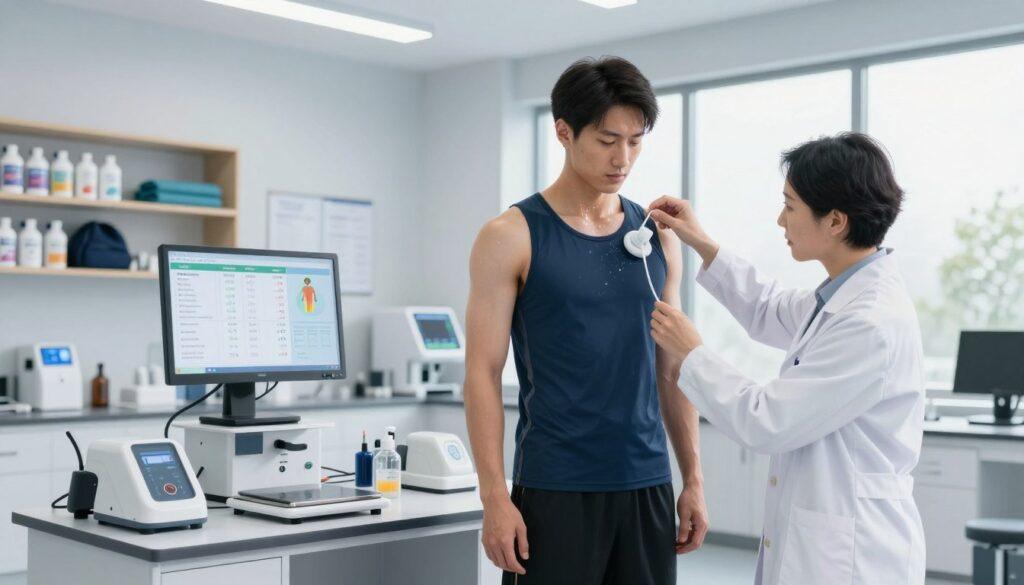
Let’s face a harsh reality. Fighting with poor vision is like using a book in a knife fight. It’s the wrong tool, and the outcome is clear.
Uncorrected vision isn’t just fuzzy. It makes seeing the world harder, moving less precise, and reacting slower. Your brain works hard, leading to eye strain early in the game.
So, you grab your regular glasses. That’s a mistake. On the field, they tend to fly off during a run. They move, break, and weren’t made for fast movements.
Contacts seem like a better option. They give a wider view. But is the wide view worth the risk of a dust particle ruining your big moment?
Contacts don’t stay put in tough conditions. They offer no defense against wind, debris, or a stray elbow. We’re looking at the common problems, showing the need forvision correction as essential for athletes.
Advanced Lens Technologies
Today’s lens technologies change how we see the world. It’s not just about seeing clearer. It’s about seeing differently. The right optical technology works like noise-canceling headphones, removing distractions and giving us clear signals.
Geometry plays a big role. Frames that look cool can be hard to fit lenses in. But with ZEISS Cosmetic Edge® Technology, we can have sleek frames without blurry edges. This technology makes the lens fit perfectly in the frame.
Light is also important. Glare from water or snow can be a problem. Polarized lenses fix this by blocking reflected light. They work like a bouncer, keeping out the bad light.
Photochromic lenses change color with the sun. They darken in UV light, so you always have the right tint. This is great for changing light conditions.
Color tints are not just for looks. They help us see better. Tints like rose or yellow can make things stand out. Choosing the right tint is as important as choosing the right gear.
Lenses are made to be tough. They’re often made from polycarbonate, a strong material. Coatings add extra protection, like anti-scratch and anti-fog. UV protection is also key to keep your eyes safe.
Technology
Primary Function
Ideal For
Key Benefit
Polarized Lenses
Eliminate reflected glare
Water sports, skiing, cycling
Reduces eye strain, improves safety on bright surfaces
Photochromic Lenses
Adapt tint level to light conditions
Running, golf, sports with variable sun/shade
Convenience of two pairs in one; always optimal tint
Contrast-Enhancing Tints (e.g., Rose, Copper)
Filter specific light wavelengths
Tennis, baseball, hunting, overcast conditions
Makes objects stand out against similar backgrounds
Anti-Fog & Anti-Scratch Coatings
Maintain clear, durable lens surface
All high-exertion or outdoor sports
Ensures unimpeded vision in tough environments
The lens is the real hero in sports gear. Optical technology makes a big difference. To use it well, you need to know your vision needs. Start with a sports vision exam to understand your vision.
Fitting & Customization
Fitting prescription sports eyewear is all about physics, not looks. It’s about finding the right mix of security, comfort, and speed. Even the best prescription lenses won’t help if the frame doesn’t fit right.
Designers face a big challenge. They need to make frames that stay put during long activities but also let your skin breathe. It’s like building a bridge that’s strong but also flexible.
Getting a professional fitting is essential. An expert optician will check how your face fits the frame. They might even ask you to bring your sports gear. It’s like preparing for a big test.
The prescription must match your sport. A reading lens won’t work on a bike trail. The lens’s center must be set for your sport’s needs. Plus, the frame should be comfortable, with soft pads and gentle tips.
This isn’t just about adding accessories. It’s about combining medical skill with sports know-how. The right fit makes your prescription lenses feel like part of your body. It’s the difference between watching the game and playing it.
Performance Benefits
In sports, vision is more than seeing the ball. It’s about seeing the future. The right sports glasses help you predict and gain an edge. It’s not just about looks; it’s about winning.
Think of the micro-second in sports. It’s the time that makes all the difference. Specialized eyewear gives you clear vision even in fast-paced action. This means your reaction time gets faster and more precise.
But there’s more to it than just speed. High-quality athletic glasses protect your eyes from harm. They let you focus on the game without distractions.
Clear, Stable Vision:They reduce blur and bounce. This gives you better depth perception for precise plays.
All-Weather Protection: They shield your eyes from UV, wind, dust, and impact. This means you can play longer without getting tired.
Contrast is King: The right lens tint can be a game-changer. Amber lenses make golf balls stand out, while rose tints enhance snow contours. It’s like having a secret advantage.
The real value of these glasses is in the results. They save you time, prevent injuries, and help you make shots. It’s the confidence that comes with knowing your gear is reliable under pressure.
Sport
Environmental Challenge
Optical Solution
Golf
Low contrast on green fairways, variable light
Brown/Amber tints enhance ball tracking and depth perception.
Rose or Vermilion tints boost contrast against snow, defining bumps and grooves.
Cycling
High-speed wind, debris, prolonged UV exposure
Wraparound design with polarized lenses cuts wind and glare, reducing fatigue.
Baseball/Softball
Tracking a small, fast-moving object against sky or stadium lights
Photochromic or specific contrast lenses keep the ball in sharp focus from pitch to catch.
Upgrading to sports glasses is a big deal. It’s not just a minor change. It’s a major upgrade for your most important sense. You’re investing in time, clarity, and safety. In the world of sports, that’s priceless.
Cost-Benefit Analysis
So, what’s the final line on the balance sheet? The global market for prescription eyewear is growing. This shows that people value specialized vision solutions. It’s not just about looking good. It’s an investment in your most important asset: your sight.
Think about the cost of not using the right gear. Using regular glasses for sports can be risky. They might break easily. Studies show up to 90% of sports eye injuries happen without proper protection. Spending on polycarbonate lenses from brands like Oakley or Nike means better protection and clearer vision. Is the cost of a dedicated pair worth avoiding injuries or missing plays?
See it as an investment, not a cost. True prescription sports eyewear gives you a real return. You get protected eyes, better vision, and the confidence to perform at your best. Choosing the wrong gear seems like a luxury you can’t afford.
Vision is key in sports, giving us almost 80% of what we see. Skills like quick recovery from glare and seeing contrasts are vital for winning.
Food and supplements can boost these visual skills. But, not all products work the same way.
We need a clear way to check these out. This method goes beyond what companies say to real facts.
This method has four main parts. It looks at the scientific evidence, the right dosing, if it’s safe, and if it really works for athletes.
Not every supplement is the same. This way, we can tell which ones are backed by solid science and which aren’t.
It focuses on studies that have been checked by experts. It avoids relying on just stories or opinions.
This method gives athletes and users a solid guide. It helps them make choices based on real data, not just guesses.
Tier 1: Strongest Evidence (L/Z, omega‑3s)
Lutein, zeaxanthin, and omega-3 fatty acids are backed by strong science for better vision. They have shown benefits in many human studies. Their effects on the eyes are well understood.
Lutein and zeaxanthin are carotenoids that build up in the eye’s macula. This part of the eye is key for sharp vision. They act as a natural filter against blue light.
More of these pigments in the eye means better vision. It helps with seeing details clearly and recovering from glare quickly. These skills are vital for athletes, helping them track fast-moving objects in bright light.
Studies show these carotenoids speed up visual processing. This means athletes can react faster. It helps them perform better in situations with lots of visual information.
Omega-3 fatty acids, like EPA and DHA, are good for the eyes in different ways. They are part of the cells in the retina, helping them work well. They also fight inflammation, which can hurt vision.
They also help with dry eyes. Athletes often face dry air and intense focus, leading to dry eyes. Omega-3s keep the eyes moist, ensuring clear vision during games and training.
Nutrient
Primary Mechanism
Key Benefit for Athletes
Lutein & Zeaxanthin
Increase macular pigment optical density; filter blue light
Enhanced contrast sensitivity and glare recovery for object tracking
Omega-3 Fatty Acids (EPA/DHA)
Support retinal cell structure; reduce inflammation
Improved visual clarity and reduced dry eye discomfort
These Tier 1 supplements are key for sports vision. Lutein and zeaxanthin improve vision in tough light. Omega-3s keep the eyes healthy and comfortable.
The science behind these nutrients is clear. They are essential for any athlete looking to improve their vision.
Tier 2: Promising (Astaxanthin, Saffron)
There are new compounds being studied for eye health. These include astaxanthin and saffron. They show promise but need more research to prove their benefits.
These supplements have a good reason to work and some early studies support them. But, they don’t have as much evidence as some other eye nutrients.
Evaluation follows the same framework. It looks at how these compounds fight off damage and inflammation in the eyes.
Astaxanthin is a powerful antioxidant. Early studies suggest it might help with eye fatigue. It could also improve vision clarity.
Astaxanthin can get into the eye area. There, it fights off damage from light and stress.
Saffron comes from the Crocus sativus flower. It might help the eyes work better. It’s thought to improve how well we see details.
Saffron’s active parts might protect the eye’s light-sensitive cells. This is thanks to its antioxidant and anti-inflammatory effects.
While astaxanthin and saffron show promise, more research is needed. We need bigger and longer studies to be sure of their benefits.
Who May Benefit
Some athletes might find these supplements helpful. But, they should not replace the main eye nutrients.
Endurance Athletes: Athletes doing long activities face more eye damage. Cyclists, runners, and triathletes might benefit from astaxanthin’s antioxidant power.
Those Seeking Niche Support: Athletes already taking main eye nutrients might look for extra help. They might want to improve glare recovery or contrast sensitivity.
Individuals in High-Exposure Environments: Athletes training in bright light might find extra antioxidants helpful.
Choosing Tier 2 supplements should be thoughtful. Weigh the early positive signs against the cost and uncertainty compared to Tier 1 options.
Supplements like bilberry and ginkgo are often seen in vision marketing. But, there’s not much solid evidence they boost athletic vision. This group includes ingredients that are said to be good for eye health but lack strong studies for sports.
Bilberry is thought to help with night vision. Some early studies and history back this up. But, big, solid studies on athletes don’t show it helps much with things like quick vision or getting past glare.
Experts say real eye helpers are lutein and vitamins C and E. For athletes, counting on bilberry for better vision in the dark isn’t backed by science.
Ginkgo biloba is known for helping with thinking and blood flow. These effects might help with vision. But, there’s no solid proof it makes athletes faster or better at tracking.
Research on ginkgo shows mixed results. It might help some people, but not healthy athletes looking to get better.
There’s also a big problem with generic “eye health” blends. They mix small amounts of good stuff with bilberry and ginkgo.
This makes the good stuff less effective. Athletes might think they’re getting a lot, but they’re not. It’s not worth the money for better performance.
These supplements are usually safe for most people. The problem is what they claim to do. Athletes should choose supplements with real, strong evidence. Tier 3 options might not live up to their promises for better vision on the field.
Stacks and Synergies with Food Patterns
The best way to improve vision is by combining supplements with a healthy diet. Supplements alone are not enough. They work best when part of a diet rich in whole foods.
Eating lots of colorful fruits and veggies is key for eye health. Leafy greens, orange peppers, and berries are full of antioxidants. Oily fish like salmon add omega-3 fatty acids, helping cells work better and reducing damage.
Some nutrients in food and supplements work together really well. Vitamin C helps vitamin E fight off free radicals. Zinc is needed for vitamin A to work in the retina. Together, they do more than they would alone.
https://www.youtube.com/watch?v=zJLJ-FmkfAk
The AREDS2 formula is a great example of a nutrient stack backed by research. It has vitamins C and E, zinc, copper, lutein, and zeaxanthin. Studies show it helps eye health in certain groups, showing how nutrients can work together.
A multivitamin can help fill nutritional gaps in our diet. But it’s not a replacement for a specific supplement like AREDS2. A multivitamin is a basic supplement, while AREDS2 targets a specific need.
Using multivitamins and specific supplements should be part of a bigger plan. They should not replace eating whole foods. Supplements fill gaps and provide extra doses, while whole foods provide the base for these nutrients to be effective.
Dosing, forms, timing, and duration
Choosing the right nutrient is just the start. How much you take, the form it’s in, and how long you take it for matter a lot.
Finding the right amount is key. Studies offer guidelines, but everyone’s needs are different. Always talk to a healthcare provider before starting any supplements. This is important because too much of some nutrients can be harmful.
Here are some daily dosages for nutrients that have been studied well:
Lutein and Zeaxanthin: Aim for 10 to 20 milligrams a day.
Omega-3 Fatty Acids (EPA/DHA): Take 1,000 to 2,000 milligrams (1-2 grams) total.
Too much vitamins A and E, and zinc, can be dangerous. It’s best to get these from food instead.
The form of a nutrient affects how well your body absorbs it. This is called bioavailability.
For example, lutein in supplements is often lutein esters or free lutein. Omega-3s are usually ethyl esters or triglycerides. Here’s a table showing common forms and their benefits.
Nutrient
Common Supplement Forms
Bioavailability Note
Lutein/Zeaxanthin
Lutein Esters, Free (unesterified) Lutein
Free lutein may be absorbed more directly, though both forms are effective with dietary fat.
TG and rTG forms are generally considered to have higher bioavailability than EE forms.
Astaxanthin
Natural (from algae), Synthetic
Natural astaxanthin is the form used in most human studies.
When you take your supplements matters. Fat-soluble nutrients like lutein and zeaxanthin need to be taken with fats or oils to be absorbed well.
How long you take supplements also matters. For nutrients like lutein and zeaxanthin, you need to keep taking them every day. You’ll start to see benefits in weeks or months, not overnight.
A review of scientific studies shows that good supplements follow these rules. Eating foods first is a safe way to get the nutrients you need.
Interactions with meds and sun exposure
When using nutritional aids, it’s important to check for blood-thinning effects and sun sensitivity. Supplements can interact with prescription drugs. Always tell your doctor about your supplement use.
Vitamin E in high doses can thin blood. This can make blood-thinning meds like warfarin work too well. This might lead to more bleeding and bruising.
Omega-3 fatty acids also thin blood a bit. Taking them with blood-thinning meds needs a doctor’s watch. You might need to check your blood clotting often.
Eating a lot of vitamin K from greens can fight warfarin’s effect. Keeping vitamin K intake steady is key. Suddenly eating more vitamin K can make warfarin less effective.
Smokers should be careful with beta-carotene supplements. Studies show they might increase lung cancer risk. Smokers should avoid taking too much beta-carotene.
The anti‑doping rule is very important for athletes. Many supplements have banned substances in them. This can lead to doping violations by accident.
Athletes should choose supplements with anti‑doping certifications. These tests check for banned substances. It’s important for staying eligible and healthy.
St. John’s Wort can make your skin more sensitive to the sun. This is because it has hypericin. People who spend a lot of time outside should be careful.
It’s best to avoid severe sunburn or rashes. Choose supplements that don’t cause sun sensitivity.
Certified anti‑doping programs can add safety. They test for hidden contaminants. This is a smart choice for those worried about purity.
Always talk to your doctor or pharmacist about supplements. Give them a full list of what you’re taking. This helps them assess risks and ensure safe use.
How to read labels and choose certified products
The dietary supplement market has no uniform government rules for safety and effectiveness. This means you need to check products yourself. It’s important to learn how to read labels and find third-party testing seals.
Every supplement bottle has a Supplement Facts panel. This panel lists the active ingredients and their amounts. First, check the serving size. Then, look at the exact amount of key nutrients, like “Lutein (from Marigold Extract) 20 mg.”
The form of the ingredient, like “Omega-3s as Ethyl Esters,” affects how well it’s absorbed and works.
Claims on the front of the bottle aren’t checked by the FDA. That’s why independent certification programs are key. These programs check manufacturing facilities and test products. They make sure labels are right, products are clean, and there are no hidden substances.
NSF Certified for Sport is a well-known program. It checks if supplements meet strict safety standards. It also tests for over 270 banned substances. This is great for athletes who need to avoid banned substances.
Other trusted seals include Informed Sport and USP Verified.
Certification Program
Primary Focus
Key Tests & Verifications
Best For
NSF Certified for Sport
Athletic safety & banned substances
Label accuracy, contaminants, screening for 270+ banned substances
Label claims, purity, heavy metals; publishes results
Consumers seeking comparative data
To choose supplements wisely, follow these steps. First, find the ingredient and dose backed by research. Then, check the Supplement Facts panel for the exact form and amount. Most importantly, look for a seal from a trusted independent certifier.
Shopping online? Look for the certification in the product images or description. Choosing certified products reduces the risk of contamination. It makes sure you get what you pay for. For more on supplement verification, check out resources from reputable medical institutions. This careful approach is key to a responsible supplement strategy.
To really know if a supplement works, athletes need to track changes in their vision skills. Just feeling better isn’t enough. Real data shows what really helps.
Being able to see details in low light is key. It’s like seeing a gray ball against a cloudy sky. Tests like the Pelli-Robson chart help measure this skill. You can also use apps to track it.
How fast your eyes recover from bright lights matters too. It affects how well you perform in bright conditions. Use a bright light and a reading chart to see how fast you recover.
Keeping a symptom log is also important. It tracks how you feel, like eye strain or how sharp things look. Note the time and weather to add context. This log helps link how you feel with the supplements you’re taking.
Combining data from tests and your log gives a full picture. Tests show real changes in your vision. The log shows how those changes affect your training. Together, they prove if a supplement works for you.
Tracking over time is key. One-off tests can be misleading. Share your data with an eye doctor or sports medicine specialist. They can help tweak your supplement plan and suggest vision training drills for better results.
Tracking turns a generic supplement plan into a tailored, evidence-based one. It helps you see if it’s worth it and how to get the best results for your sports.
Budget-friendly supplement plan
Creating a budget-friendly plan for sports vision support is smart. Start with a diet rich in nutrients. Foods like eggs and leafy greens are full of lutein and zeaxanthin. Omega-3s can be found in seeds and fatty fish.
When choosing supplements, focus on the most important ones first. Look for a supplement with lutein and zeaxanthin from brands like NOW or Jarrow Formulas. Make sure to check the cost per effective daily dose, not just the price of the bottle. A good dose is usually 10-20 mg of both carotenoids.
To save money, consider using supplements only when you really need them. Skip generic blends that don’t have strong evidence. Always choose products that have been tested by NSF or USP. This ensures you’re getting what you pay for without any unwanted additives.
This approach to supplements is both smart and cost-effective. It focuses on the most proven ingredients first. This way, you get the most value for your money.
Planning is not about doing more. It’s about focusing on what truly matters. This idea is the base of a 48-hour meal plan.
The plan aims at three main goals for top visual performance. First, it keeps energy stable for the nervous system. Second, it ensures sharp visual contrast and focus. Lastly, it helps in quick recovery of the nerves and muscles.
This method goes beyond simple advice. It offers a detailed, timed plan. Success depends on the right timing and ingredients, mainly for the last pre-game meal.
Getting the timing right is key. Knowing about eye health nutrition is also important. It supports the whole plan for better vision in sports.
48‑Hour Timeline: T‑48 to T‑0 nutrition and hydration
A clear guide shows when to eat carbs, proteins, and fats. This plan helps remove anxiety by setting exact times for eating. It makes sure your body is ready for competition.
This strategy changes how much of each macronutrient you eat. It aims to fill up muscle glycogen, stay hydrated, and repair cells. Carbs go up, while proteins and fats are kept low to avoid stomach issues.
Time Point
Primary Goal
Carb Focus
Protein Focus
Fat Focus
Hydration Note
T-48 Hours
Initiate glycogen loading
High-complex carbs (e.g., oats, rice)
Moderate lean source
Low to moderate
Steady water intake begins
T-24 Hours
Maximize glycogen saturation
Very high, mixed sources
Consistent, easily digested
Minimal
Increase fluid volume
T-12 Hours
Final major meal preparation
High, familiar foods
Adequate for repair
Very low
Continue sipping water
T-3 to T-1 Hours
Top-off energy, prevent hunger
Easily digestible simple carbs
Minimal or none
Avoid
Small, frequent sips
T-0 (Kickoff)
Peak glycogen, full hydration
Liver glycogen topped off
Not applicable
Not applicable
Fully hydrated, electrolytes balanced
The first 24 hours focus on carbohydrate loading. You eat a lot of complex carbs to fill glycogen stores. Protein stays steady to keep tissues strong.
In the last 12 hours, you focus on easy digestion and staying hydrated. Meals get smaller and less flavorful. This helps avoid stomach problems while keeping energy up. Fats are kept low.
The last 3 hours are for fine-tuning. You might have a small, simple carb snack. Drinking water becomes small, frequent sips to avoid discomfort.
This detailed plan is a definitive guide. It cuts down on pre-game worries by giving exact nutrition advice. Following it helps you take decisive action, leading to better performance.
Breakfast/Lunch/Dinner Templates with Vision-Positive Foods
Nutritional systems help athletes reach their goals by using meal templates. These templates are key for consistent performance. They help athletes eat the right nutrients for their eyes.
Each meal focuses on foods with special antioxidants. Lutein, zeaxanthin, and astaxanthin are important. They protect the eyes and help with vision.
Day Before Game Templates
The day before a game, meals build up nutrients and keep you hydrated. Choose foods that are easy to digest.
Breakfast Template
Spinach and mushroom omelet with whole-grain toast
Orange slices or a small glass of orange juice
Water or herbal tea
This meal gives you lutein and zeaxanthin from eggs and spinach. Vitamin C from oranges helps your body use these nutrients.
Lunch Template
Grilled salmon salad with kale, avocado, and bell peppers
Quinoa or brown rice on the side
Water with lemon
Salmon has astaxanthin and omega-3s. Kale and peppers add more antioxidants and vitamin C.
Dinner Template
Lean chicken breast with roasted sweet potatoes and steamed broccoli
Mixed berries for dessert
Water throughout the meal
Sweet potatoes have beta-carotene. Broccoli has sulforaphane, which helps protect cells.
Day Of Game Templates
On game day, eat lighter meals that are easy to digest. They keep your energy up without upsetting your stomach.
Breakfast Template (3-4 hours before start)
Oatmeal topped with blueberries and a handful of walnuts
Scrambled eggs on the side
Water or a small cup of coffee
Oatmeal gives you energy. Blueberries and walnuts have antioxidants that help blood flow.
Lunch Template (if game is in the evening)
Turkey and avocado wrap in a whole-wheat tortilla
Carrot and cucumber sticks with hummus
Water or an electrolyte drink
Avocado has lutein and healthy fats. Carrots have beta-carotene, which turns into vitamin A.
Pre-Game Snack Template (1-2 hours before)
Greek yogurt with a sprinkle of ground flaxseed
A small banana
Water
This snack has protein, potassium, and healthy fats. It keeps your blood sugar stable before you start playing.
Key Antioxidant
Primary Food Sources
Ocular Benefit
Lutein & Zeaxanthin
Egg yolks, kale, spinach, corn
Filters blue light; protects macular pigment
Astaxanthin
Salmon, shrimp, crab, trout
Reduces oxidative stress in retinal cells
Vitamin C
Citrus fruits, bell peppers, broccoli
Supports collagen in ocular blood vessels
Vitamin E
Almonds, sunflower seeds, avocado
Protects cell membranes from free radicals
These meal plans are meant to be followed regularly. They focus on foods good for your eyes. Eating this way helps keep your eyes healthy and improves your vision.
Smart Use of Caffeine and Nitrates for Perceptual Speed
For quick boosts in visual alertness and reaction speed, caffeine and nitrate-rich foods are key. They work in different ways to improve how we see and react. Using them wisely can enhance speed without unwanted side effects.
Caffeine boosts alertness by blocking brain receptors. This makes us feel less tired and more alert. It helps us see and process information faster.
For the best effect, drink caffeine about 60 minutes before you need to focus. This ensures it’s in your system when you need it most. Aim for 3-6 mg per kilogram of body weight, as research shows.
How much caffeine you need can vary. Regular users might need more to feel the same effects. But too much, over 9 mg per kilogram, can cause anxiety or stomach issues.
Dietary nitrates improve blood flow differently. They turn into nitric oxide, widening blood vessels. This means more blood and oxygen to the brain.
Beetroot juice is a top choice for athletes. It’s packed with nitrates. Spinach and arugula are also good sources.
For nitrates, drink beetroot juice 2-3 hours before you start. This lets your body use it best when you’re active.
A good dose is about 300-500 ml of beetroot juice. This gives you 6-8 mmol of nitrates. Drinking it regularly, even for a few days before, can make it more effective.
Considerations: Caffeine tolerance develops with habitual use. Nitrate effects are enhanced with a multi-day loading phase. Combining both requires careful individual testing to avoid gastrointestinal discomfort.
Using caffeine and nitrates together needs careful planning. They work well together but can upset your stomach if not used right. Always test them together during training.
The aim is to improve focus and speed. Caffeine sharpens the brain, while nitrates fuel the eyes. Together, they can significantly boost your performance.
Getting the timing and dosage right is key. Random use won’t work. Stick to proven methods to improve your visual skills.
In‑Game Fueling and Hydration by Duration
To stay sharp during games, you need the right mix of food and water. The plan changes based on how long the game lasts. A short basketball game is different from a long tennis match.
Pre-warm-up fueling is key. Eating 15-25 grams of carbs 30 minutes before helps. It fills your liver with glycogen for quick energy and keeps your brain working well.
This table shows the best food and water plan for different game lengths. It helps keep your blood sugar and water levels right.
Activity Duration
Fuel Strategy
Hydration Strategy
Key Considerations
Under 60 minutes
Focus on pre-activity fueling. No carbs needed during play.
Drink 5-10 oz of water 10-20 min before start. Sip small amounts as needed.
Priority is on cognitive sharpness and reaction speed. Avoid gastrointestinal distress.
60-90 minutes
Consume 30-45g of carbs per hour. Use sports drinks, gels, or chews.
Schedule 3-6 oz of fluid every 15-20 minutes. Use a sports drink for electrolyte replacement.
Prevents mid-game energy crash. Maintains contrast sensitivity and focus.
Over 90 minutes
Increase to 60-90g of carbs per hour from multiple transportable sources.
Follow a precise schedule: 4-8 oz every 15 min. Match fluid loss based on sweat rate.
Sustains prolonged effort and decision-making. Prevents dehydration-induced visual fatigue.
Carbs that are easy to digest are best during games. Glucose, fructose, and maltodextrin are good choices. They give steady energy without upsetting your stomach.
Keeping hydrated is critical. Athletes should know how much they sweat. Drink 16-24 ounces for every pound lost. Electrolytes, like sodium, are important for long games.
Not drinking enough can slow you down. Losing just 2% of your body weight in fluids can hurt your game. Drinking little and often is better than big gulps.
This plan helps athletes stay focused and hydrated. It’s based on the length of the game. The goal is to stay sharp from start to finish. Elite athletes follow these habits to perform at their best.
Halftime and Overtime Adjustments
Halftime is a key time for athletes to fix their body’s needs. It’s a short time, usually 15 to 20 minutes, to reload energy. They need to fix glycogen loss, fluid, and electrolyte imbalances before the next game.
First, athletes focus on glycogen replenishment. They should eat 30 to 60 grams of carbs in the first five minutes. Good choices are sports drinks, gels, bananas, or white bread. This helps muscles and the liver quickly store glycogen.
Drinking fluids is also critical. Athletes should drink 16 to 24 ounces of fluid during halftime. For short games, water is fine. But for long or intense games, a carb-electrolyte drink is better. It helps replace lost fluids and gives energy.
Managing electrolytes, like sodium, is key. A sodium load helps keep plasma volume up. Drinking a beverage or snack with sodium helps. This keeps the body stable and helps with temperature control.
In overtime, the strategy is even quicker. The focus is on carbs and hydration. Small sips of an electrolyte drink are good when there’s no time for a full break. Keeping the body in top shape, including eye health in athletics, is vital for extended play.
Every action must be quick and doable in the short time available. The order is carbs first, then fluids, with sodium playing a key role. This method helps athletes get back to the game ready and refreshed.
Post‑Game Recovery for Eye Tissues
After a game, athletes start a critical recovery phase. This time is for fixing the body’s stress, including eye strain from intense focus. It’s a key weekly ritual that ends the performance cycle and gets athletes ready for more training.
The first 30 to 45 minutes after the game is very important. Eating high-quality protein and carbs is key for muscle repair and glycogen refilling. A 1:3 or 1:4 protein to carb ratio is best for full recovery.
Eye nutrition focuses on reducing inflammation and stress. Important anti-inflammatory nutrients help ease eye strain and fix tissues. These include omega-3 fatty acids from fatty fish, lutein and zeaxanthin from leafy greens, and anthocyanins from dark berries.
Drinking plenty of water is essential in the next 24 hours. It helps all cells, including eye tissues, recover. Eating anti-inflammatory foods and electrolytes helps manage any lingering inflammation.
This recovery plan does more than fix the body from the last game. It sets up the body for visual warm-ups and high-focus training later. Proper nutrition timing gets the visual system ready for its next challenge.
Sample Menus for Early vs Late Starts
Not planning meals can lead to bad choices, often due to timing issues. Having set menus for different times helps avoid this. They give a clear plan when things get off track.
Our bodies work differently based on when we start our day. An early event needs different food than a late one. We must adjust what we eat, how much, and what kinds of food.
The table below shows two sample menus side by side. It shows how to use the 48-hour nutrition plan for different start times.
Early start uses easy-to-digest carbs. Late start has balanced food with complex carbs and lean protein for energy.
Top-Up Snack
30-60 minutes prior. Example: Banana or applesauce pouch.
90-120 minutes prior. Example: Greek yogurt with berries.
It gives a last energy boost before activity. The timing changes based on the meal size.
In-Game Fuel
Electrolyte drink from start. Carbohydrate gel at 45-minute mark if over 75 minutes.
Electrolyte drink from start. Solid fuel like dates or a sports bar at halftime for over 90 minutes.
Hydration and carb intake stay the same. Fuel type changes based on time and comfort.
Post-Game Recovery
Immediate shake (protein & carbs). Followed by a big brunch/lunch within 2 hours.
Immediate shake (protein & carbs). Followed by a light dinner for repair and hydration.
Recovery nutrition is key. The next meal fits the body’s natural eating pattern for that time.
Traveling is a big challenge to this structured meal plan. Having reliable travel meals is key when you can’t cook or find familiar foods.
Good travel meals are easy to carry, don’t spoil, and match your meal plan. Think overnight oats, pre-made salads, canned tuna, and fruit. They help avoid bad food choices.
Adjusting your nutrition to start times and travel is a big step. It stops the cost of not planning and helps keep energy and focus during games.
Compact grocery list and packing guide
This section gives you the tools to act. It turns the nutrition plan into a checklist. Athletes can now prepare without missing anything.
The grocery list is easy to follow and organized. It includes spinach, sweet potatoes, and berries for produce. Proteins like eggs, salmon, and Greek yogurt are also listed. Don’t forget whole grains like oats and quinoa. And remember to stay hydrated with water, Gatorade, and coconut water.
For travel games, a packing guide is key. Use a small cooler for items like pre-made meals. Insulated bottles keep drinks at the right temperature. Pack snacks like bananas, Clif Bars, and mixed nuts for on-the-go.
The plan is easy to remember but detailed enough to follow. This list and guide help you stick to the visual performance strategy.
Clear sight relies on a key, often overlooked link. The body’s fluid balance is vital for eye health and vision.
Not drinking enough water can cause dry eyes and blurry vision. This makes daily tasks uncomfortable and blurry.
Enough water is key for tear film stability. This thin layer protects the eye’s surface. Proper hydration prevents a rise in tear osmolarity, a sign of dryness.
Water is essential for eye lubrication. It keeps the cornea clear. This is important for sharp focus and clear vision.
Dehydration is linked to dry eye in sport. Also, focusing hard on screens can lower the blink rate. This makes dryness worse.
Signs of Underhydration Affecting Vision
When athletes don’t drink enough water, their vision can suffer. Feeling thirsty is a late sign. The eyes often show signs of dehydration first.
Athletes should watch for these signs. They show that the eyes and tear film need more water.
Feeling like there’s grit or a burn in the eyes is common. Vision blurring that goes away with blinking is another sign. Being more sensitive to bright lights or wind is also a clue.
Having trouble focusing on fast-moving things is key. This is different from just feeling tired eyes.
Symptom
Description
Hydration Link
Dry or Gritty Sensation
Feeling of sand or irritation in the eye, often with redness.
Reduced tear production and poor tear film stability due to low body water.
Intermittent Blurring
Vision goes in and out of focus, specially during intense concentration.
Inadequate hydration causes the cornea to dehydrate slightly, altering its shape and optics.
Light or Wind Sensitivity
Discomfort or squinting in bright light or breezy conditions.
A compromised tear film fails to properly lubricate and protect the eye surface.
Focus Fatigue
Inability to quickly shift or hold focus on a fast-moving target.
Dehydration may impair ciliary muscle function and neural signaling for accommodation.
Eye Strain & Headache
Aching around the eyes or a developing headache during activity.
Compound effect of dehydration stressing visual systems already working hard.
Spotting these signs early helps fix the problem. Drinking more water can solve issues before they affect performance. This skill is essential for athletes.
By paying attention to these signs, athletes can stay hydrated. This helps keep their vision sharp and supports their overall health.
Build Your Sweat-Rate Profile
Generic fluid intake advice doesn’t work for everyone. Athletes need to create a sweat-rate profile. This personalized data is key for a good hydration plan.
A sweat-rate profile shows how much fluid you lose during exercise. It moves from guessing to knowing how much you need. This is a common practice in sports science.
To measure your sweat rate, you need a precise scale and to keep records. Athletes should do this when they’re training as they usually do.
Record your pre-exercise nude body weight in kilograms. Make sure to use the bathroom right before weighing.
Write down how much fluid you drank during exercise in liters.
Record your post-exercise nude body weight. Make sure to dry off all sweat before weighing.
If you went to the bathroom during exercise, estimate and write down how much urine you lost.
To find your sweat rate, use this formula. Sweat Rate (L/hr) = [Pre-exercise weight (kg) – Post-exercise weight (kg) + Fluid intake (L) – Urine volume (L)] / Exercise time (hours). If the result is positive, you lost fluid.
This data helps you understand your sweat rate. The table below shows what different rates mean.
Focus on electrolyte balance over high fluid volume. Risk of overhydration is greater.
Moderate (0.5 – 1.5)
Most common range for team sports and moderate-intensity training.
Requires structured drinking plan. Match intake to 70-80% of sweat losses during activity.
High (> 1.5)
Hot/humid conditions, high-intensity endurance sports, heavy sweaters.
Aggressive, proactive fluid and electrolyte replacement is critical. Pre-cooling may be beneficial.
Knowing your category helps plan your fluid intake. For example, if your rate is 1.2 L/hr, drink about one liter per hour of play. This helps replace lost fluids without upsetting your stomach.
Do sweat rate testing many times. Test in different weather and at different exercise levels. This gives you a full profile for all your competitions.
Your sweat rate profile is the basis for a personalized hydration plan. It helps decide how much to drink before, during, and after games. This scientific approach helps keep your eyes sharp and your body strong.
Electrolytes for Tear Film and Nerve Function
Sodium and potassium are key for more than just muscle cramps. They help keep the eyes hydrated and nerves working well. These minerals, known as electrolytes, are vital for clear vision and quick processing.
The tear film needs a certain mix of electrolytes to stay stable. Sodium pulls water to the eye’s surface. Potassium keeps it inside the cells. This balance stops the eye from drying out.
These ions are also important for vision. The retina and optic nerve use them to send signals. If there’s an imbalance, vision can slow down.
Other minerals like zinc are also important for the eyes. It helps vitamin A work, which is key for seeing in the dark. Without enough, it’s hard to adjust to dark.
Magnesium helps the muscles around the eye work right. It’s not in tears but helps the eye move smoothly. Having the right mix of electrolytes is key for good vision.
Electrolyte/Mineral
Primary Ocular Function
Role in Vision Performance
Common Dietary Sources
Sodium
Maintains tear film osmolarity and corneal hydration.
Ensures a clear, stable optical surface; supports baseline neural excitability.
Table salt, broth, salted nuts, processed foods (in moderation).
Potassium
Regulates intracellular fluid balance in corneal and retinal cells.
Facilitates repolarization of nerve cells after firing, enabling rapid visual signal transmission.
Bananas, potatoes, spinach, yogurt, avocados.
Zinc
Cofactor for retinal enzymes; activates vitamin A.
Critical for the visual cycle and dark adaptation (night vision).
Oysters, red meat, poultry, beans, nuts, whole grains.
Magnesium
Supports neuromuscular function and nerve signal regulation.
Aids in control of eye movements and may help reduce ocular muscle fatigue.
Almonds, spinach, black beans, whole wheat bread, dark chocolate.
Athletes lose sodium and potassium through sweat. This can upset the balance needed for the eyes and nerves. Replacing these electrolytes and minerals like zinc is important for athletes. It’s not just about drinking a lot of water, but also about the right mix of minerals.
In-Game Hydration Tactics by Environment (Heat, Cold, Altitude, Wind)
Heat, humidity, cold, wind, and altitude each pose unique challenges to an athlete’s hydration and tear film stability. To succeed, athletes must adjust their hydration tactics dynamically to these environmental stressors. A fixed hydration plan often fails under changing conditions.
In high heat and humidity, sweat rates skyrocket. This causes quick loss of body water and electrolytes. The result is systemic dehydration, which lowers tear production. Athletes need to up their fluid and electrolyte intake before and during games.
A good strategy is to hydrate with an electrolyte solution 20 minutes before competition. Take small sips every 10-15 minutes during play. This keeps plasma volume up and supports the lacrimal glands.
Cold and windy conditions present a different challenge. Increased respiratory fluid loss happens as the body humidifies dry, cold air. Wind also speeds up tear film evaporation. This can cause severe dry eye symptoms mid-game.
Hydration tactics in these conditions include pre-loading with warm fluids. Use insulated drink bottles to keep fluids from getting too cold. Also, wear protective eyewear or goggles to shield the eyes from wind.
Altitude increases dehydration risk. Lower air pressure and oxygen levels require more breathing. This results in significant water loss through the lungs. The air at high altitude is also very dry.
Athletes training or competing at high altitudes must drink more water. Their fluid intake should be more aggressive than at sea level. They should hydrate for 24-48 hours before activity. During activity, they may need to drink 50-100% more water to offset respiratory losses and protect corneal hydration.
Each environment requires a specific response. The key is to adjust fluid intake based on the current conditions. Move from a fixed schedule to a responsive strategy.
Contact Lens and Goggle Considerations
Choosing the right eyewear is key for athletes. It affects how well they can see and how their eyes stay moist. The right gear helps manage these important aspects.
Wearing contact lenses can make eyes dry faster. The lens material can mess with the eye’s natural moisture. This is a big problem in dry or windy places, like sports fields.
Drinking enough water is even more important for lens wearers. It helps keep the eye’s moisture layer strong. But, many athletes need to use special eye drops to stay comfortable and see clearly.
Sports glasses or goggles are a must for eye protection. But, they can also affect eye moisture. The best goggles seal well but also let air through to prevent fogging.
Finding the right balance is key. You want goggles that don’t let too much air in but also don’t fog up. Modern goggles have special coatings and vents to help with this.
Choosing the right gear depends on the sport and where you play. For indoor games, a well-ventilated goggle works well. But for outdoor sports in windy weather, a tighter seal is better. The goal is to protect your eyes and keep them comfortable.
It’s important to include eyewear in your hydration plan. Try out your gear during training to see how it works. This helps you figure out if you need to drink more water or use eye drops.
Managing your contact lenses and goggles well can improve your performance. It makes sure your gear helps, not hinders, your body’s needs. This is a key part of being a top athlete.
Pre-game, During, Post-game Fluid Plans
Keeping your vision sharp on the field starts with a three-stage hydration plan. This plan keeps your fluids at the right level for your eyes and brain. Each stage has its own role.
It’s all about you. Your hydration plan should be based on how much you sweat. This way, you avoid being too dry or too wet.
Pre-game hydration is all about getting ahead. You want to start with full fluids to handle sweat loss early on.
Drink about 500-600 milliliters of fluid 2-3 hours before you play. Then, have another 200-300 milliliters 20-30 minutes before. Water is usually enough, unless it’s really hot.
During-game hydration is about keeping up. You want to drink as much as you sweat. Small sips often are best.
This helps your stomach empty slowly and keeps your blood flow steady. Aim for 150-350 milliliters every 15-20 minutes while playing.
The right amount depends on how much you sweat and the weather. Following hydration and nutrition guidelines helps you get it just right. Sports drinks might be good for longer games.
Post-game rehydration is all about catching up. You should drink 150% of what you lost. This helps with urine production too.
For every kilogram you lost, drink 1.5 liters of fluid. Make sure to include some salt to help keep the fluid in. Do this within 4-6 hours after you stop playing.
Phase
Primary Objective
Key Strategy
Pre-game
Hyperhydration & Fluid Loading
500-600ml 2-3 hours pre; 200-300ml 20-30 min pre
During Game
Maintain Plasma Volume & Match Sweat Loss
150-350ml every 15-20 mins; small frequent sips
Post-game
Replace 150% of Fluid Loss
1.5L per kg lost; include sodium; complete within 4-6 hours
This plan helps your vision stay sharp. Proper hydration before the game keeps your tear film right. Drinking enough during the game stops dehydration from drying out your eyes.
Good hydration after the game helps you get ready for the next game. Athletes who stick to this plan say their eyes feel better and they see clearer.
Sample Mixes: water vs sports drink vs DIY
Not all fluids are equal when it comes to replenishing what is lost through sweat during athletic performance. The optimal choice depends on exercise duration, intensity, and environmental factors.
A comparative analysis of the primary options provides a clear framework for decision-making.
Fluid Type
Best Use Case
Key Components
Considerations
Plain Water
Short-duration (<60 min), low-intensity exercise in temperate conditions.
H2O only.
Replenishes fluid loss without added electrolytes or calories.
Commercial Sports Drink
Prolonged exercise (>60-90 min), high sweat rates, hot/humid environments.
Water, carbohydrates, sodium, potassium.
Provides energy and replaces key electrolytes lost in sweat.
DIY Electrolyte Mix
Athletes with specific sweat profiles, dietary restrictions, or cost concerns.
Water, table salt (for sodium), salt substitute (for potassium), sweetener.
Allows for precise control over electrolyte and carbohydrate levels.
Plain water is sufficient for most brief training sessions. It effectively restores hydration without unnecessary additives. This applies to activities like a light jog or gym workout in a climate-controlled environment.
Electrolyte-containing solutions become necessary during extended exertion. Marathon running, cycling, or team sports in heat demand more than water. The primary electrolytes in sweat are sodium and potassium. Replacing them maintains nerve function and fluid balance.
Do-it-yourself drinks offer a customizable alternative. A basic formulation targets standard concentration ranges.
Start with one liter of water.
Add ¼ to ½ teaspoon of table salt for sodium (approx. 575-1150 mg).
Add a pinch of salt substitute (potassium chloride) for potassium (approx. 200-400 mg).
Include a natural sweetener like honey or sugar for taste and energy, if desired.
These are example targets. Individual needs vary based on sweat rate and diet. Athletes should consult a health professional before adopting a new hydration regimen. A holistic approach includes comprehensive nutrition strategies for peak performance.
Athletes can use three easy ways to check their hydration. These methods help them see how well they’re doing visually. They offer a reliable way to get feedback.
First, urine color is a daily check. If it’s pale yellow, you’re good. But darker colors mean you need more water.
This simple test helps avoid chronic dehydration. It can cause dry eyes and unstable tears.
The second way is to measure body mass before and after exercise. Losing more than 2% of body mass means you’re dehydrated.
This is key for sweat rate testing. It helps athletes know how much water to drink.
The third way is to feel how your eyes are doing. Before, during, and after exercise, pay attention to any discomfort.
Look out for dryness, grittiness, or burning. If your vision gets blurry, it might be dehydration.
Keeping track of these three things gives a full picture. Urine color shows daily hydration. Body mass change shows sweat loss. Eye comfort shows how well you’re seeing.
This method is more than just guessing. It’s a science-backed way to stay hydrated. It helps keep your vision clear and comfortable, even when you’re active.
Common Pitfalls (caffeine, alcohol, overhydration)
Three common mistakes can ruin a good fluid plan: too much caffeine, drinking alcohol, and drinking too much water. Each can harm your fluid balance and how well you see.
Caffeine is a mild diuretic. It makes you pee more, leading to losing more water if you don’t drink enough. Athletes can usually get away with some caffeine, but timing is key. Drinking it too close to a game can cause you to lose too much water at the wrong time.
Alcohol is even worse for dehydration. It stops your body from making antidiuretic hormone, making you pee a lot. Drinking alcohol after a game can also mess up your electrolyte balance. This is important for your nerves and tear film.
Drinking too much water, or hyponatremia, is very dangerous. It happens when you drink way more water than you lose through sweat. This lowers your blood sodium levels. It’s a big risk for endurance athletes who drink too much or follow a strict “drink as much as possible” rule.
Symptoms of hyponatremia include:
Nausea and vomiting
Headache
Confusion or disorientation
Swelling in hands and feet
In severe cases, seizures or coma
To avoid this, don’t just drink whenever you want. Instead, use a hydration plan based on how much you sweat. This method is based on science, not guesswork.
Source 2 also warns against taking too much of one mineral at a time. It’s important to have the right mix of electrolytes. Sports drinks or homemade mixes should have sodium, potassium, and magnesium in the right amounts. This helps with hydration, not against it.
To avoid these mistakes, you need to know what you’re doing. Good hydration is not just about drinking the right things. It’s also about knowing what to limit or avoid.
Travel and Time-Zone Adjustments
Air travel can dry out your eyes because of low humidity in the cabin. This dry air makes your tears evaporate faster. It’s not good for your eye comfort.
Athletes need to drink water before and during flights. Drinking water little by little is better than drinking a lot at once. It’s also important to avoid drinks that dry you out, like alcohol and too much caffeine.
Adjusting your water intake to fit new time zones helps keep your body in sync. This prevents dehydration when you wake up in a new place.
Start changing your water schedule 1-2 days before you leave. Move your main water times to match your destination’s schedule. When you arrive, drink lots of water in the morning there.
Traveling to places with different climates adds to the challenge. Places at high altitudes make you lose more water through breathing. Places that are very hot and humid or very dry need you to adjust your sweat rate.
Athletes should check their sweat rate when they get to a new place. This helps them adapt to the new environment. Their fluid and electrolyte needs might change a lot.
The table below shows important changes for different travel situations.
Travel Scenario
Primary Hydration Challenge
Recommended Protocol Adjustment
Vision Performance Focus
Long-Haul Flight
Extremely low cabin humidity
Drink 8 oz water per hour in air. Use saline eye drops.
Maintain tear film integrity to avoid blurred vision.
Crossing 3+ Time Zones
Disrupted drinking routine
Pre-adjust schedule. Set alarms for first 48 hours post-arrival.
Prevent morning eye dryness from overnight dehydration.
Competition at High Altitude
Increased insensible water loss
Increase total daily fluid volume by 15-20%. Monitor urine color closely.
Counteract the drying effect of increased respiration on eyes.
High Heat/Humidity Destination
Accelerated sweat loss
Carry electrolyte mix. Weigh pre- and post-training.
Ensure electrolyte balance supports nerve function for sharp focus.
Planning is key to staying hydrated while traveling. Athletes should bring their favorite electrolyte powders or tablets. It’s also good to know about the local water quality and availability.
Following these tips helps protect your vision. It makes sure athletes are ready to perform at their best when they arrive at competitions.
One-page protocol
This protocol simplifies the article’s findings into a clear guide for top athletic performance and clear vision. It offers a step-by-step checklist for a personalized fluid plan.
Athletes start with a sweat rate test. This test shows how much fluid they lose during exercise. It helps figure out how much fluid they need to replace.
After the test, a hydration plan is made. It outlines how much fluid to drink before, during, and after games. It also includes essential electrolytes for nerve and tear film health.
It also tackles dry eye in sports. It teaches how to manage fluid intake with contact lenses or goggles. It considers factors like heat, wind, and altitude in the fluid plan.
Keeping an eye on progress is key. Athletes watch urine color, body-mass changes, and eye comfort. These signs help check hydration and eye health.
This one-page guide is a quick help for athletes. It should be updated as needed based on new results and changing situations.
Let’s cut through the wellness jargon. Without hard data, personal betterment is just wishful thinking in expensive leggings.
I’ve spent hours on eye exercises, devout as a midnight blogger chasing a lead. But was I actually improving? Or was I just performing a comforting ritual?
This isn’t about becoming a slave to spreadsheets. It’s a deeper principle. Think about marathon training. No one just hopes to finish 26.2 miles. They track miles, pace, and heart rate.
The same logic applies to learning a language or understanding policy. You need benchmarks. What gets measured doesn’t just get managed—it gets mastered.
Quantifying your gains transforms a fuzzy goal into a strategic campaign. It moves you from browsing commentary to tracking tangible outcomes. This is the power of progress tracking.
Metrics and Tests
If your eyes were a stock, what performance metrics would you track on your personal Bloomberg terminal? Welcome to the main event, where we move from hopeful theory to the sometimes brutal, always enlightening reality of data.
Let’s start with the political incumbent of eye exams: the Snellen chart. You know the one—the big “E” at the top. It’s the equivalent of a nationwide approval rating poll. It gives you a broad, static number: 20/20. Useful? Sure. The whole story? Not even close.
True Measuring Vision Progress requires a more nuanced portfolio. We need to audit how your visual system performs under the messy, unpredictable conditions of actual life.
First, consider contrast sensitivity. This isn’t about reading black letters on a white wall. This is about deciphering the gray-on-gray text of a dinner menu in a romantically (and poorly) lit restaurant. It’s your visual system’s ability to function when the lighting isn’t studio-perfect.
Next, dynamic visual acuity. Can you keep a fast-moving target in crisp focus? Think of a tennis ball in flight or the relentless scroll of a financial news ticker. Static 20/20 vision is useless if your visual tracking lags behind reality.
Lastly, peripheral awareness. This is your political radar for the unexpected. It’s noticing the cyclist approaching from your blind spot or the subtle eye-roll from a colleague during a tedious meeting. It’s not about what you’re looking at, but what you’re aware of.
Framed this way, these tests stop being dry medical procedures. They become your personal analytics dashboard, giving you actionable intel on your most critical sensory input.
Vision Test
What It Measures
The Real-World Translation
Why It Matters
Snellen Chart
Static Visual Acuity
Reading a street sign from down the block.
The baseline poll number. Essential, but doesn’t predict performance in a debate.
Contrast Sensitivity
Ability to discern shades of gray
Navigating a dimly lit bar or reading in low light.
Your ability to operate when conditions aren’t ideal. A key performance metric for real life.
Dynamic Visual Acuity
Clarity of moving targets
Tracking a soccer ball or scanning a crowded dashboard while driving.
Critical for any fast-paced environment. Static vision fails here.
Peripheral Awareness
Field of view & reaction to side stimuli
Spotting someone waving from across a room or a car merging into your lane.
Your early-warning system. It’s about strategic awareness, not just focus.
Think of this table as your quarterly earnings report. Each metric tells a different part of the story about your visual health. A company with great revenue but terrible cash flow is in trouble. Similar to perfect 20/20 vision with poor peripheral awareness being a liability.
The goal is to build that complete dashboard. Once you know your numbers, you can start strategizing. Measuring Vision Progress isn’t about passing a test. It’s about upgrading your interface with the world.
Self-Assessment Tools
Are vision training apps the next big thing, or just fancy placebos? In today’s world, your eyes need more than just an annual check-up. This section is your guide to becoming your own eye scientist.
Apps promise to improve your focus and vision. They’re like the Peloton for your eyes. But before you sign up, think about what you’re really measuring. Many apps make eye exercises fun. Yet, the data they give is often a secret score, not a real measure.
For a deeper look at these tools, check out this analysis of perceptual. Use them for regular practice, but don’t believe in miracles.
Now, let’s talk about your vision journal. It’s not just a diary, but a detective’s notebook. Look for patterns. Did your eyes get tired after too many Zoom meetings? Did you see better on days you walked outside?
Write down simple things: how long you were on screens, the light, your sleep, and how you felt. This basic data is priceless. It shows how your daily life affects your eyes.
Don’t forget the simple, DIY tests you can do. You don’t need a fancy app to get useful data. Try reading the smallest print in a newspaper and track it. See if you can tell dark gray text from light gray. These tests are like turning your living room into a lab.
So, how do you pick the right tools? The table below shows your main options for Measuring Vision Progress.
Limited in scope; requires honest self-administration
Establishing a simple, long-term baseline
The real magic is in the consistent habit of tracking. It’s like following a long story. Each day’s data adds to the bigger picture of your progress tracking journey. You’ll spot the main villains and celebrate your visual strength growing.
This methodical, multi-tool approach turns vague hopes into clear insights. It’s the key to smart Measuring Vision Progress.
Setting and Adjusting Goals
Setting a vision training goal without metrics is like navigating a political debate without fact-checkers—you’ll spin in circles but never reach a conclusion. Vague ambitions are the enemy of progress. This is where we trade empty promises for a concrete strategy.
The gold standard is the SMART framework. Your goal must be Specific, Measurable, Achievable, Relevant, and Time-bound. “See better” fails on all counts. “Increase my accuracy on the contrast sensitivity test from 60% to 80% within eight weeks” passes with flying colors.
Your baseline data from earlier sections is your campaign starting point. It tells you what district you’re trying to win. Now, set your first target. Make it a modest, short-term victory. Winning a primary is easier than the general election.
But here’s the real test. What happens when your progress stalls? Your performance metrics flatline like a TV show’s ratings after a terrible season finale. This plateau isn’t a failure. It’s critical data.
Interpreting this data is key. Is it a motivation issue, or has your current training regimen hit its limit? This is where agile adjustment beats rigid planning. Think software update, not stone monument.
Use the table below to diagnose and pivot. It turns raw numbers into a action plan.
Performance Metric Signal
What It Means
Adjustment Strategy
Expected Timeline for Re-assessment
Plateau in accuracy scores for 2+ weeks
Current drill difficulty is no longer challenging; neural adaptation is complete.
Increase difficulty by 10-15% or introduce a new, related drill.
2 weeks
Declining speed on reaction tests
Possible mental fatigue or overtraining; form may be suffering.
Reduce training frequency by 20%, focus on recovery and technique.
1 week
Inconsistent results day-to-day
External factors (sleep, stress) are likely overpowering training benefits.
Implement a pre-training routine (hydration, calm) and track lifestyle variables.
3 weeks
Rapid early progress that suddenly stops
Initial “newbie gains” are exhausted; the real, slower work begins.
Reset expectations, shift focus to consistency over breakthrough scores.
4 weeks
Adjusting goals isn’t admitting defeat. It’s evidence-based policymaking. You wouldn’t stick to a failing economic strategy. Don’t stick to a failing vision drill.
The disillusionment that kills New Year’s resolutions by February comes from rigid thinking. When a goal feels out of reach, we quit. But if you treat your plan as a living document, you simply edit it.
For a deeper dive into structuring this process, review these goal-setting basics. They translate well to any skill development.
Remember, Measuring Vision Progress is a dynamic loop: Set, Measure, Analyze, Adjust. Your performance metrics are the feedback from the electorate. Listen to them, and you’ll win the race.
Maintaining Long-Term Gains
You conquered the mountain. Now, the real challenge is to build a lasting home on that peak. The goal shifts from achieving to sustaining. How do you avoid becoming a visual version of the Roman Empire—a glorious ruin?
Enter maintenance mode. Your eyes, like a muscle or a language, need constant practice. Stop, and your clarity will fade. It’s the fate of every forgotten pop star who had one good song.
This phase is psychological. Habit formation is your shield against complacency. Your routine for Measuring Vision Progress must evolve from a focused campaign to a background process. Weave your progress tracking into the fabric of your week.
Turn your short-term wins into a permanent upgrade. Don’t just complete a training program. Become someone with exceptional visual habits. Let progress tracking be your silent, lifelong coach. You’re not finishing a race. You’re becoming a runner.
The usual rehab plan focuses a lot on muscle memory and strength. But what about your eyes?
After an injury, your body does more than just fix tissues. It also reboots your spatial intelligence. Many people overlook how important vision is, seeing it as just a camera, not the leader of your senses.
Think of it like this. Proprioception is like your ground game, while sight is your aerial attack. Ignoring your vision is like running a campaign without looking at the polls. It’s not based on facts, but on guesses.
Visual processing is key to neuroplasticity. It helps your brain adapt and change. By training your visual cortex, you can rewrite your recovery story. You can turn it from a slow, hard journey into a victory parade.
Injury-Specific Drills
The secret to elite sports recovery isn’t just fixing the body. It’s about fixing the visual software that injuries mess up. Basic eye exercises are just the start. We aim for the advanced level.
An ACL tear messes with your spatial coding in a way a rotator cuff strain doesn’t. Your visual rehab needs to be as precise. It’s like a tactical playbook, not a general fitness guide.
For knee injuries, we focus on dynamic depth perception and peripheral awareness. These skills fail when you jump or cut. So, we use drills that feel like navigating an obstacle course, not just staring at a dot.
Shoulder injuries or concussions mess with gaze stability and quick eye movements. The rehab is like scanning for open players or tracking a puck. It’s visual retraining for the game’s chaos.
Forget random puzzles. Your drills should directly relate to the game. Below is a cheat sheet. It shows how elite visual rehab is tailored for the injury, not just for “eyes.”
Injury Type
Primary Visual Deficit
Targeted Drill Protocol
Real-World Sports Translation
ACL/Knee
Impaired dynamic depth perception
Ball drop/catch on unstable surface; peripheral cue reaction
Preparing for a rebound in traffic or judging a landing zone
Keeping eyes on the ball during a pitching windup or a swimming turn
Concussion
Slowed saccades; light sensitivity
Computerized saccadic tracking at increasing speeds; contrast sensitivity grids
Quickly shifting focus from pitcher to baserunner or reading a defense
Ankle Sprain
Reduced peripheral awareness
Reaction to stimuli in far periphery while balancing
Seeing a defender approaching from the blindside while dribbling
This is where visual rehab stops being a buzzword. It becomes a measurable, sport-specific edge. You’re not just doing exercises. You’re preparing for the moment your sport demands everything, and your vision delivers.
Working with Professionals
Building your rehab team is like planning a precise heist. Going it alone is a brave but doomed effort. Today, recovery needs a team of experts. Their skills should blend together like a Venn diagram of hope.
Your physiotherapist is like the safecracker. They tackle the physical issues, like stiff joints and angry tendons. They use precise tools and focus on the root cause of the problem.
The strength and conditioning coach is your getaway driver. They build your strength and endurance. This is key to moving past your injury.
The vision rehabilitation specialist is the master planner. They study your brain’s pathways. They help you move with purpose and balance.
Finding the right team is the first step. Turning them into a cohesive unit is the real challenge. You are the client and the project manager. Treat initial meetings as interviews. Ask about their experience and how they work with other teams.
Be wary of red flags. These are signs of a team that might fail you.
The Monologuer: Anyone who offers a one-size-fits-all plan is not listening.
The Isolationist: Therapists who don’t work with other specialists are a risk.
The Magician: Those who promise quick fixes without explanation are not trustworthy.
The real challenge is getting your team to work together. Your physio’s exercises might clash with your S&C coach’s plans. Your vision drills might seem unrelated to your pain. Your job is to help them find common ground. Share notes and be the diplomat. A good rehab plan is like a symphony.
This team approach is what most recovery plans lack. It turns therapy into a strategic campaign. You’re not just attending sessions. You’re leading a team to help you recover.
Safety Guidelines
Think of your injury recovery plan as a delicate mission. One wrong step can lead to trouble from your body. This section is your guide to safely adding vision training back into your routine.
It’s about finding the right balance. Too much, too soon, can lead to setbacks. We aim to make progress smooth and safe.
Don’t just check if it hurts. That’s too simple. We need to track progress in a more detailed way.
Old Metric (The Slogan)
New Metric (The Briefing)
“It hurts” / “It doesn’t hurt”
Quality of movement: Is it smooth or jerky?
Duration of exercise
Sustained focus: Can you maintain clarity for the full set?
Speed of completion
Recovery speed: How quickly does visual fatigue reset after?
Ignoring frustration
Symptom type: Is it muscle ache or sharp, shooting pain?
Watching for symptoms is key. A dull ache might just mean your body is adjusting. But sharp pain is a warning. Listen to it.
It’s important to manage how much you do. You wouldn’t push too hard after surgery. The same goes for your eyes. Strategic retreat is sometimes the best move.
Frustration is normal when learning something new. But if it turns into constant pain or feeling overwhelmed, it’s a sign to slow down. Your body is trying to tell you something.
This careful approach to injury recovery is what leads to a real comeback. The rules are there to protect you. Follow them until you’re ready to make changes safely.
Success Case Studies
Forget feel-good myths. Real strategy is in the details. Neuro-optometry’s comeback stories are not just inspiring; they’re detailed blueprints. Let’s dive into a few like a post-game analysis.
Take Walter K., an adult who could drive and shop again after therapy. His energy levels soared. Justin, a post-concussion patient, saw his processing speed and self-esteem improve, letting him return to his old activities. Michael, recovering from a stroke, regained his balance and no longer feared falling.
These stories aren’t one-offs. They show a pattern: targeted vision work can change how we perform. You can find more of these strategic recoveries in the documented case studies here. The data is clear. Whether in sports or daily life, integrated vision therapy is key, not just a bonus.