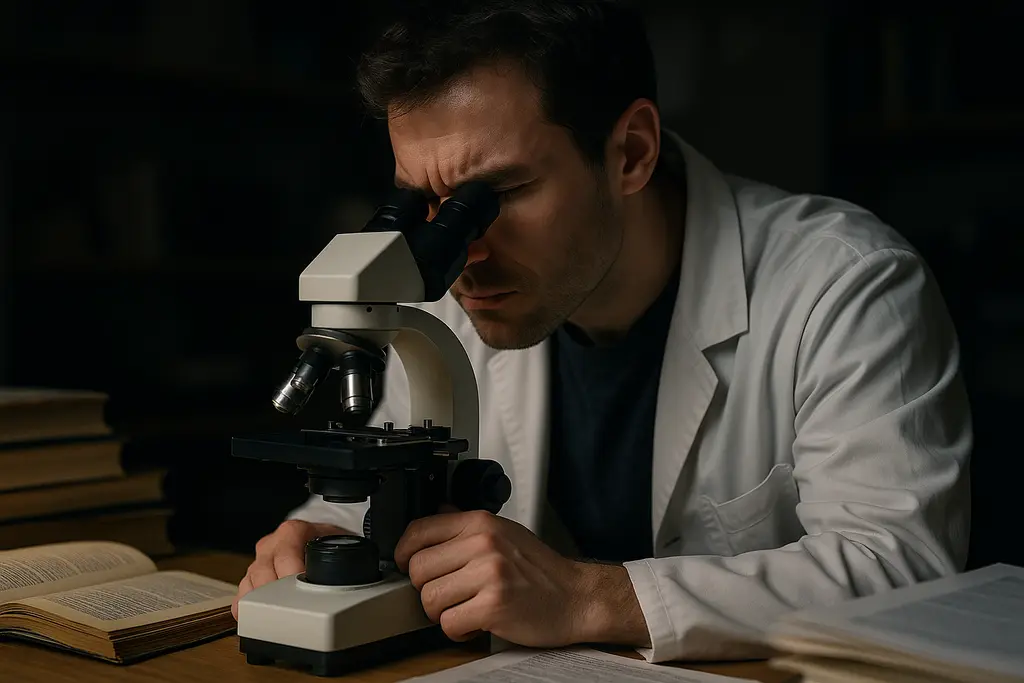
Eye movements glaucoma research is asking a careful question with real stakes for athletes, coaches, and families: could the repeated motion of the eyes add mechanical stress to an already vulnerable optic nerve? The idea is not that reading a playbook, tracking a ball, or scanning a court causes glaucoma. The evidence is earlier and narrower than that. It suggests that common eye movements may be one piece of a larger pressure-and-strain puzzle, especially in normal-tension glaucoma.
What Eye Movements Glaucoma Research Shows
The central finding comes from National Eye Institute-funded work reported in 2018. The research suggests that common rapid eye movements may strain the optic nerve and could potentially contribute to normal-tension glaucoma, a form of glaucoma in which optic nerve damage occurs even without high eye pressure being the obvious explanation NEI research report. That wording matters. The finding is suggestive, not a settled cause-and-effect claim.
Eye Movements Glaucoma And Daily Saccades
Saccades are the quick eye movements that shift gaze from one point to another. The NEI report notes that humans make about 183,000 of these rapid movements each day, including during REM sleep. For athletes, the number feels believable even before seeing the science: a point guard checks defenders, a goalkeeper scans the box, a tennis player tracks serve toss, contact point, and opponent position in a fraction of a second.
For coaches and clinicians, the eye movements glaucoma question is not about limiting normal visual behavior. It is about understanding whether repeated movement might create strain at the optic nerve head in some people, under some anatomical or disease conditions. The research sits at the level of mechanism and risk modeling rather than a field-tested prevention plan.
Why Normal-Tension Glaucoma Is The Cautious Link
Normal-tension glaucoma is the main reason this line of research has drawn attention. If optic nerve damage can occur without elevated eye pressure being the full explanation, researchers need to consider other stressors. Repetitive mechanical strain from eye motion is one possible contributor. It should be viewed as a hypothesis with biological plausibility, not as proof that daily eye motion independently produces disease.
Fixational Changes And Performance Clues
A separate 2018 study indexed in PubMed reported evidence for altered fixational eye movements in glaucoma PubMed study abstract. Fixational movements are the tiny motions that occur while a person tries to hold gaze steady. In sport, that kind of steadiness matters during a free throw, a rifle target sequence, a baseball at-bat, or a gymnast’s landing focus.
Steady Gaze Under Sport-Like Demands
The study’s finding does not mean a coach can spot glaucoma by watching an athlete’s gaze. It does suggest that glaucoma may be associated with changes in how the eyes behave during steady fixation. That is relevant because many sports reward stable visual attention under fatigue, glare, and time pressure. If the visual field is already affected by disease, the athlete may adjust behavior without naming the reason: turning the head more, slowing a scan, or relying on teammates’ calls.
Those adaptations can be smart and protective, but they are not diagnostic. A missed pass, slower read, or trouble with peripheral awareness can have many causes, including fatigue, concussion history, lighting, stress, or ordinary skill variation. The evidence supports curiosity and appropriate eye care, not sideline medical labeling.
What This Could Mean Off The Field
Outside sport, steady gaze supports reading, driving, and moving safely through spaces. The research notes supplied for this topic point to concerns that glaucoma-related eye movement differences may affect such visual tasks. The strongest way to state the issue is cautious: altered eye movement patterns could add to the functional burden of glaucoma, especially when visual field loss is already present.
Eye Movements Glaucoma Limits For Athletes
The safest reading of eye movements glaucoma evidence is that it opens a research path. It does not create a new screening rule for teams, and it does not support changing prescribed glaucoma care. Athletes with diagnosed glaucoma, suspected field loss, or unexplained visual symptoms need professional evaluation from qualified eye-care clinicians.
Association Is Not Diagnosis
Several limits should shape how this story is discussed in locker rooms and community clubs:
- The NEI-linked finding suggests possible optic nerve strain from eye movements; it does not prove that normal eye movements cause glaucoma.
- The fixational eye movement study shows alteration in people with glaucoma; it does not show that altered fixation appears before glaucoma in every case.
- Daily saccades are normal and necessary. Avoiding normal eye movement is not a prevention strategy.
- Any future treatment aimed at reducing optic nerve strain would need safety testing and clinical evidence before routine use.
Barriers Before Practice Changes
Moving from mechanism to care is difficult. Researchers would need reliable ways to measure optic nerve strain during natural eye movement, compare results across glaucoma types, and separate effects of disease from effects of age, visual field loss, attention, medication, and fatigue. Implementation would also require equipment, training, and clinic time. In community sport settings, the barrier is even clearer: teams are not eye clinics, and performance data cannot replace formal eye examination.
Potential therapeutic ideas mentioned in the research notes, such as approaches that reduce optic nerve strain, remain investigational in this context. They should not be presented as available fixes. Safety is a central concern because eye movement is part of normal vision, balance, reading, and sport performance.
Community Coaching And Safer Questions
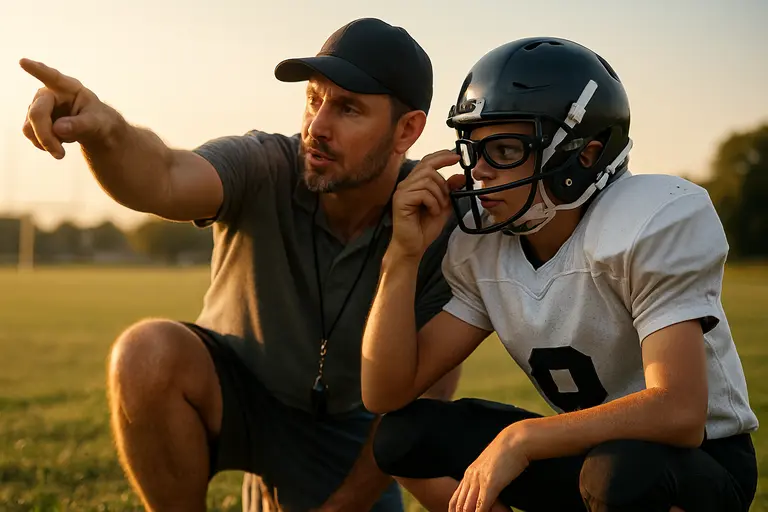
Community sport is often where health changes are first noticed. A veteran runner mentions new trouble seeing curbs at dusk. A basketball player stops attacking from one side. A coach sees a careful athlete become hesitant in traffic near the sideline. These observations can start a supportive conversation, especially in clubs that already treat eye protection as part of athlete safety.
What Athletes Can Track Without Self-Diagnosing
Tracking symptoms can be useful if it stays descriptive. An athlete might note whether glare, dim light, reading fatigue, or peripheral misses are becoming more common. The record should not be used to self-diagnose glaucoma. It can help an eye-care professional understand real-world visual demands. For broader community sports coverage and related health conversations, our partner sports network offers a valuable perspective on keeping the focus on athlete experience without replacing medical care.
How Teams Can Discuss Eye Safety
Teams can keep the message simple: protect eyes from injury, report persistent visual changes, and respect scheduled eye care. Athletes with a family history of glaucoma or known eye disease may already be under professional monitoring. Coaches do not need to interpret optic nerve science; they need to create a setting where athletes can speak up early and avoid being mocked for visual concerns.
Eye Movements Glaucoma Implications
The eye movements glaucoma hypothesis matters because it widens the research frame beyond eye pressure alone. That does not reduce the importance of established glaucoma evaluation and treatment. It simply suggests that mechanical forces related to gaze shifts may deserve attention, especially in cases where pressure does not explain the full pattern of optic nerve damage.
Careful Uses Of The Finding
For athletes, the most practical use is awareness. Vision is not just sharpness on a chart. It includes peripheral detection, gaze stability, contrast, glare tolerance, and the ability to shift attention quickly. If a player notices persistent changes in those areas, the right response is not panic or internet self-testing. The right response is a professional eye exam and clear communication about sport-specific demands.
What Remains Unproven
What remains unproven is just as important as what is known. Researchers have not shown that reducing ordinary saccades prevents glaucoma. They have not established an athlete-specific risk threshold for eye movement strain. They have not shown that eye movement testing can replace standard glaucoma assessment. The evidence is meaningful, but it is still developing. The strongest takeaway is cautious and useful: repeated eye motion may be biologically relevant to optic nerve strain, and glaucoma can involve measurable changes in eye movement behavior. Turning that into safe screening, prevention, or treatment will require more clinical evidence.