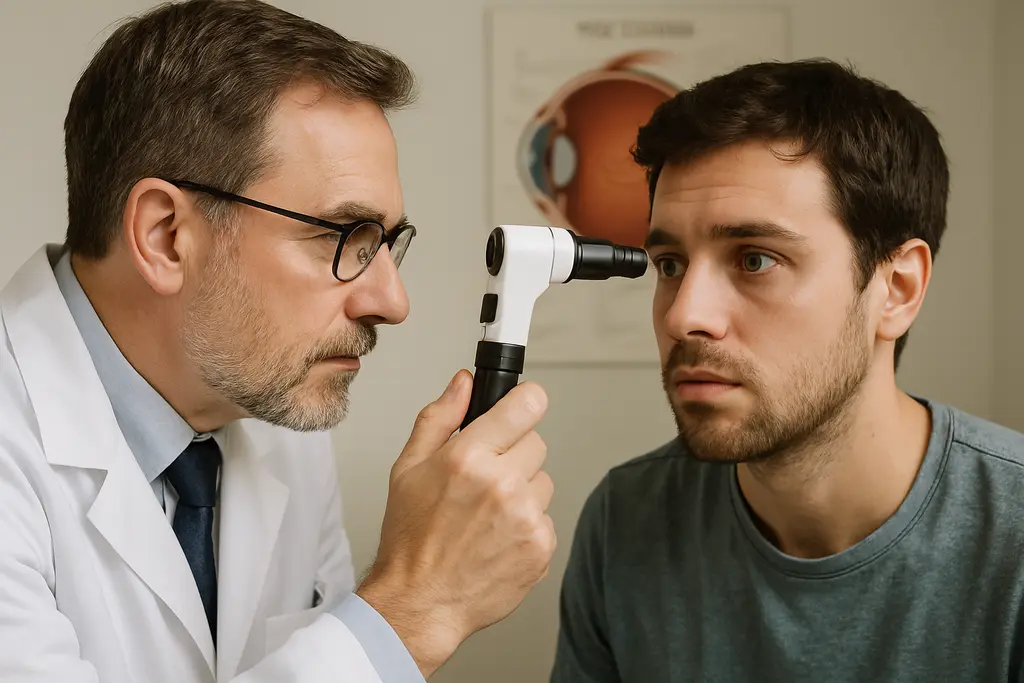
Glaucoma Follow-Up Visits are not a small footnote in surgical outcome studies. They can change what counts as success, what counts as failure, and how quickly a high intraocular pressure, or IOP, reading is detected after surgery. For patients, surgeons, and even athletes who think in terms of repeatable performance data, the lesson is direct: a result is only as reliable as the monitoring system behind it.
The research base does not say that more appointments automatically cause better surgical outcomes for every eye. It does show that follow-up patterns shape measurement, safety detection, and interpretation. That distinction matters. A glaucoma operation may look more successful in one study than another because the study handled postoperative visits differently, not because the surgery itself performed differently.
Why Glaucoma Follow-Up Visits Change Reported Success
Glaucoma Follow-Up Visits And IOP Windows
A 2026 study in the British Journal of Ophthalmology, based on the research notes provided for this review, found that different strategies for handling multiple IOP measurements inside postoperative time windows changed estimated success rates. For trabeculectomy at a 21 mmHg IOP threshold, the 5-year success estimate was 54.8% when the lowest IOP in a window was used, compared with 38.8% when all visits were used. That is not a minor statistical wrinkle. It is the difference between a study appearing moderately favorable and meaningfully less favorable.
That is why Glaucoma Follow-Up Visits need to be read as part of the outcome definition. If a study uses the lowest pressure reading, it may understate periods of pressure elevation. If it uses every available visit, it may capture more outlier readings and classify more eyes as failures. The same eye, same surgery, and same pressure pattern can look different under different rules.
Why More Data Can Mean More Detected Failure
The same 2026 research notes reported that using all available visits and peak IOP increased failure detection compared with selecting the visit closest to a predefined time point. For trabeculectomy, the hazard ratio for failure was about 1.41 when an all-visits strategy was compared with a closest-visit strategy. This does not prove that frequent follow-up harms outcomes. It suggests that frequent observation is more likely to find high-pressure events that a sparse schedule might miss.
For readers used to sport tracking, the analogy is a motion-capture session versus one stopwatch reading. More sampling can reveal instability. It can also raise hard questions about how to define a true failure versus a transient postoperative spike. Evidence-based interpretation has to keep both points in view.
Measurement Choices And Long-Term Evidence
Duration Matters In Surgical Comparisons
Glaucoma surgery is not judged well by a short scoreboard. In the 2026 comparative surgery data summarized in the research notes, median follow-up was 41.4 months for trabeculectomy and 45.4 months for deep sclerectomy, with wide interquartile ranges. Those time spans matter because pressure control, reoperation, and complications may emerge long after the early recovery period.
Other long-term research in the notes points in the same direction. A retrospective cohort of 435 eyes followed for an average of 6 years reported surgical success, using an IOP range of 5 to 18 mmHg, in 73% of eyes at the final visit when qualified and complete success were combined. Complete success alone was 69%, and success rates stayed near 75% at 5 years. These figures are informative, but they depend on who remained under observation and how visits were counted.
Late Safety Signals Need Time To Appear
Postoperative safety is another reason follow-up cannot be treated as clerical work. Research notes on U.S. real-world data for primary open-angle glaucoma treated with incisional procedures reported that failure, reoperation, or non-failure complications rose over time. One-year failure rates were about 8.8% to 15.1%, while 5-year rates were about 23.5% to 31.5%, depending on procedure.
The 5-year INN-005 extension data in the notes also show why longer monitoring is not just academic. In that comparison of MicroShunt and trabeculectomy, both with mitomycin C, sight-threatening adverse events were assessed across 60 months. The notes report that 26% of the MicroShunt group required treatment for elevated IOP, while approximately no trabeculectomy cases met that specific endpoint. That does not settle procedure choice for an individual patient, but it does show why a short follow-up snapshot can miss safety patterns.
Access Barriers Around Glaucoma Follow-Up Visits
Loss To Follow-Up Is A Measurement Problem
Glaucoma Follow-Up Visits also sit inside access realities. A large IRIS Registry analysis of primary open-angle glaucoma patients from 2014 to 2019 reported that 50% had become lost to follow-up over 6 years, with higher risk among some minority groups, patients with advanced disease, and those younger than 60 or older than 80, according to the IRIS Registry analysis. Although that study was not limited to postoperative patients, the implication for glaucoma surgery is hard to ignore: missing data can distort both care and research interpretation.
Distance is one practical barrier. A study of postoperative glaucoma surgery follow-up reported that patients living more than 50 miles from a glaucoma surgery center had more missed appointments, were more likely to be lost to follow-up, and had worse visual acuity outcomes during the study period, as described in the travel distance study. The evidence does not mean distance alone causes every poor outcome. It does suggest that access should be part of surgical planning and study design.
Reminder Systems Show Practical Value
The research notes also describe a randomized clinical trial in rural China from 2014 to 2015. In that trial, text message reminders combined with free topical steroids improved attendance at 1 month after trabeculectomy: 57.8% in the intervention group versus 33.7% in the control group, with a relative risk of about 1.72 and a statistically significant result. This is a useful technology lesson. Not every improvement in surgical evidence comes from a new implant or instrument; sometimes the support system around the visit changes whether the data exist at all.
For related reading on how schedules can shift reported outcomes, see this discussion of glaucoma follow-up schedules. Those interested in broader discussions about vision and science within the same network might find the website SGTT particularly useful.
Equipment Thinking For Postoperative Monitoring
Sports Vision Lessons Without Overreach
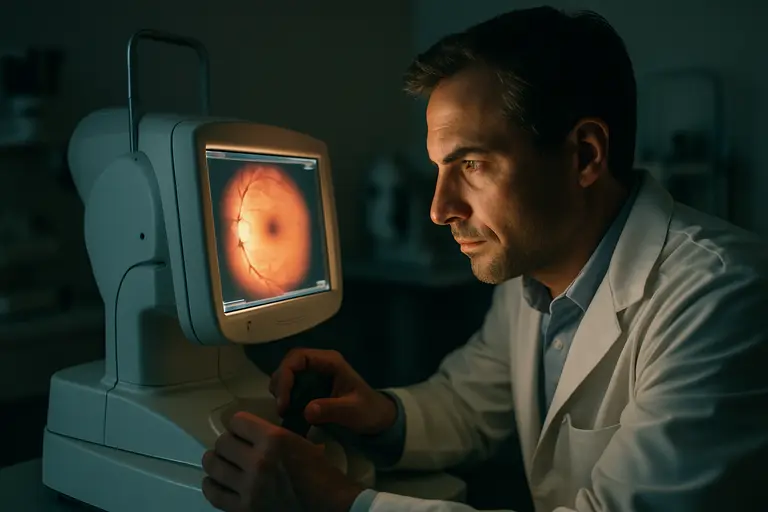
In sports vision, equipment is judged by whether it gives repeatable, interpretable feedback. A timing gate, force plate, or tracking camera is only helpful if the athlete returns to the same testing conditions often enough to compare signals. Glaucoma surgery follow-up has a similar logic, but the stakes are medical rather than competitive. The visit is the data capture event: IOP measurement, optic nerve assessment, medication review, and complication checks happen in a structured clinical setting.
That does not mean patients should self-manage surgical recovery from a gadget or replace clinical visits with consumer tools. The research supplied here supports a narrower point: systems that improve attendance and consistent measurement can affect what clinicians and researchers see. Text reminders, scheduling support, and reducing travel friction are not flashy, but they can support the evidence chain.
Interpreting Staged And Combined Surgery Data
The need for follow-up also appears in comparisons of surgical strategy. The research notes cite a 4-year observational study, published in February 2026, comparing staged cataract surgery followed by trabeculectomy at least 6 months later with combined surgery. The staged group had lower mean IOP, 10.9 ± 3.6 mmHg versus 14.8 ± 6.2 mmHg, and higher surgical success rates with fewer postoperative interventions. Because this was observational, it should not be read as a universal rule for every patient. Still, 4 years of follow-up were needed to see the reported differences.
- Definition matters: success rates shift depending on IOP threshold and visit-handling rules.
- Duration matters: 5-year data can reveal failures, reoperations, and complications not visible early.
- Access matters: missed appointments and long travel distances can affect both care and research data.
- Support systems matter: reminders and practical assistance may improve attendance in some settings.
Follow-Up Visits In Glaucoma Surgical Success Rates
The significance of follow-up visits in glaucoma surgical success rates is best understood as an evidence-quality issue and a patient-safety issue at the same time. The available research shows that visit frequency and visit selection can change reported success estimates, while longer monitoring can reveal late failures and safety concerns. Access barriers can thin the data set, which may make outcomes look cleaner than real postoperative care actually is.
Glaucoma Follow-Up Visits are not just calendar entries after surgery. They are the measurement framework through which surgical success is defined. For patients, the practical message is to discuss follow-up expectations with the treating ophthalmologist and avoid using published success rates as if they were detached from visit schedules, access barriers, and study definitions. For researchers and clinicians, the message is equally clear: surgical outcomes should report not only the operation and pressure target, but also how visits were counted, how long patients were followed, and how many were lost along the way.