Vision Science for Competitive Edge

Category: Community and Q and A (page 1 of 1)

Student Eye Strain: Trial-Tested Strategies

Student eye strain has become a practical concern for families, teachers, coaches, and student-athletes who split their days between classrooms, laptops, phones, and training schedules. The best recent evidence does not support a single cure. It points instead to a layered plan: active visual training in selected groups, scheduled breaks, workstation changes, symptom tracking, and careful use of supplements only where the evidence fits the person and goal.

As a community advocate, I hear from students who want to study without headaches or tired eyes, then show up sharp for practice. Sports vision science can help frame that problem, but it also calls for restraint. A trial can show improvement in one population without proving that every school, team, or family will see the same result. That distinction matters, especially for young people.

Student Eye Strain Evidence From Recent Trials

What Did Student Eye Strain Trials Measure?

Recent trial data used computer vision syndrome, often called digital eye strain, as a measurable outcome. On July 13, 2026, a 12-week randomized controlled trial of 200 college students with high daily screen exposure reported that a Sports Vision Training program reduced computer vision syndrome prevalence in the intervention group from about 74.5 percent at baseline to about 41 percent after the program. The control group had only small, non-significant reductions, according to the peer-reviewed report in the Sports Vision Training trial.

The same study reported symptom-specific reductions in red eyes, eye fatigue or soreness, difficulty focusing, headaches, neck, shoulder, and back pain, and reduced concentration. Those findings are promising because they connect visual strain with school performance concerns and physical comfort. Still, the participants were college students with heavy screen exposure, not younger children, and the study lasted 12 weeks. Schools should treat it as field-tested evidence in a defined group, not as proof that the same program will work for every grade level or every symptom pattern.

How Strong Is The Sports Vision Signal?

The sports vision angle is interesting because it asks students to train visual attention and visuomotor skills rather than only reduce screen time. That makes sense for student-athletes, who often need sustained focus, quick shifts in attention, and comfort under visual load. Yet active training takes time, staff support, and adherence. If a campus cannot run sessions consistently, the results may not match the trial.

This is where cautious reporting matters. The trial supports a possible benefit from a structured program for high screen-use college students. It does not show that casual eye drills, random app use, or unverified performance claims will produce the same effect. Readers who want a broader critique of performance claims can compare the evidence with this review of eye exercises and performance.

Practical School Steps With Cautious Expectations

Breaks, Desk Setup, And Dryness

For many classrooms, the first realistic layer is behavior and setup. Research in the provided evidence set included a two-week reminder-based trial, published in April 2023, where symptomatic computer users used software reminders to follow the 20-20-20 rule. Self-reported digital eye strain and dry eye symptoms decreased, although ocular surface signs were not sustained one week after the reminders stopped. That pattern suggests reminders may help behavior while they are in use, but the effect may fade when support is removed.

An ergonomics-based intervention among medical students in 2025 combined counseling with practice for two weeks. In that study, computer vision syndrome symptom prevalence dropped from about 41.2 percent to about 18.4 percent, and median scores improved. Burning, itching, and tearing improved most, while blurred vision and headache did not improve significantly. That mixed result is useful for schools: desk setup and screen habits may reduce some symptoms, but they may not solve every complaint.

  • Use scheduled visual breaks during long screen blocks rather than relying on memory alone.
  • Set screens at a comfortable distance with a slight downward gaze when possible.
  • Reduce glare from windows, overhead lights, and shiny desk surfaces.
  • Ask students to report patterns, such as symptoms after long reading blocks or late-night device use.
  • Refer persistent, worsening, or unusual symptoms to an eye care professional rather than treating them as routine fatigue.

Training Time, Staffing, And Cost

Implementation is the hard part. A reminder tool is low cost, but students may ignore pop-ups if assignments are due. Ergonomic counseling is practical, but it requires teachers or health staff to repeat the steps until they become routine. Sports Vision Training is more active and may require trained supervision, a quiet space, and time away from other school demands.

For schools with limited resources, a staged plan is more realistic than a campus-wide program launched all at once. Start with break reminders and workstation checks in classes that use screens heavily. Track symptom reports for a few weeks. If a school has athletic trainers, vision specialists, or occupational health partners, it can then consider a structured visual training pilot for older students with high screen exposure.

Nutrition Findings And What They Do Not Prove

Lutein And Zeaxanthin In High Screen Users

A separate randomized, double-blind, placebo-controlled study by Lopresti and Smith, published in February 2025, tested 10 mg lutein plus 2 mg zeaxanthin for six months in high electronic screen users aged 18 to 65. The study reported improvements in objective measures such as tear film break-up time, Schirmer tear test, and photo-stress recovery time, while subjective reports did not differ from placebo, as listed in the PubMed record.

That finding deserves a careful reading. Objective eye measures improved, but participants did not report clear symptom differences compared with placebo. The study population was broader than students alone. It does not justify telling families that supplements will fix student eye strain, and it should not replace an eye exam, allergy care, dry eye evaluation, sleep review, or screen-habit changes when those are needed.

Cost also matters. A supplement taken for six months is not the same as a free classroom break schedule. Families should avoid stacking products based on marketing claims. If a student has dietary restrictions, medical conditions, or uses medications, supplement decisions belong in a discussion with a qualified clinician.

Community Q And A For Students And Coaches

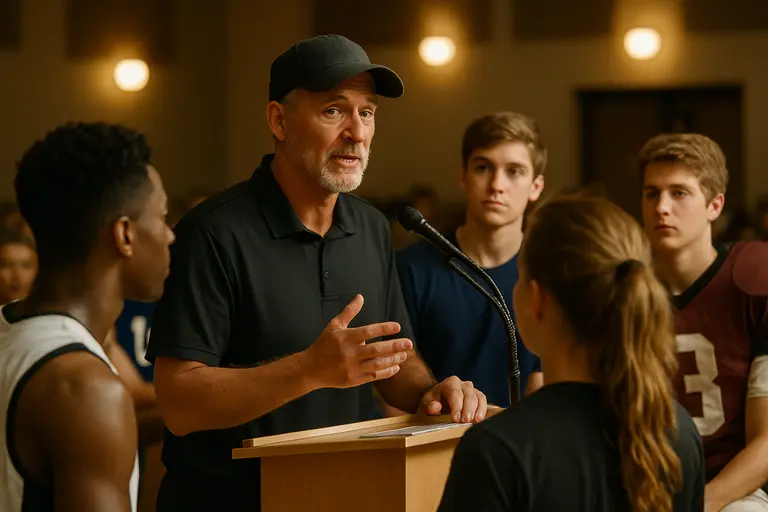
Coach and students discussing screen breaks after a study session

Can Student Athletes Use These Findings?

Yes, but with limits. Student-athletes may be a good fit for structured visual routines because they already understand practice, tracking, and gradual progress. A coach might help by protecting rest breaks during film review, reducing glare in team study rooms, and avoiding long device sessions immediately before sleep when possible. None of those steps require a medical claim; they are common-sense exposure and comfort controls supported by the direction of recent research.

Community stories help families see that eye comfort is part of participation, not a side issue. For those interested in athlete-centered outreach, Lili Lives Team provides related community sports stories that ensure students and families stay informed and connected.

One common question is whether blue-light filters should be the first step. The evidence set described mixed awareness of protective practices among students and practical guidance that includes brightness control and avoiding bright screens before sleep. Filters may help some users feel more comfortable, but they should not distract from breaks, glare control, screen distance, and referral for symptoms that do not behave like ordinary fatigue.

Student Eye Strain In School Communities

A Measured Plan For Classrooms And Teams

A careful school plan for student eye strain should be simple enough to use and honest about what is known. The strongest recent student-specific signal in the research set came from the 12-week Sports Vision Training trial in college students. Shorter reminder and ergonomics interventions also showed benefits, though some effects were limited by follow-up length or symptom type. Nutrition evidence is interesting but less direct for student symptom relief.

A practical model is to start with the lowest-burden steps, measure response, and then decide whether a more structured program is worth the time. Teachers can build screen breaks into class flow. Coaches can schedule film sessions with pauses and room lighting checks. Students can record symptoms in plain language: tired eyes, dryness, focusing trouble, headache, neck pain, and concentration changes. If patterns persist despite basic changes, referral is the safer path.

The success story here is not a miracle fix. It is a student who learns that visual comfort can be observed, supported, and discussed without blame. Evidence gives communities a better script: reduce avoidable strain, test changes in real settings, and avoid claims that run ahead of the data.

Glaucoma Awareness Campaigns And Community Trust

Glaucoma awareness campaigns often begin with a simple goal: help people understand why eye checks matter before vision loss is noticed. The harder part is community engagement. Evidence from recent public health and ophthalmology research suggests that awareness alone is not enough if people face cost, transport, mistrust, limited time, language barriers, or weak follow-up systems.

As a community-focused sports reporter, I often see health messages spread fastest where people already gather: gyms, schools, church halls, recreation leagues, barbershops, senior centers, and family tournaments. That does not make those places medical clinics. It does make them useful starting points for trusted conversations, especially for a disease that can be present before a person recognizes symptoms. Any campaign should avoid promising diagnosis at a community table. Its safer job is education, referral, and helping people reach qualified eye care.

What Glaucoma Awareness Campaigns Can Prove

Awareness Is Necessary, But Not Sufficient

A December 2025 expert review in Current Ophthalmology Reports identified delayed disease presentation and diagnosis as continuing challenges in glaucoma care, linked in part to limited awareness among patients, primary care physicians, and optometrists the expert review. That finding matters because community messages are often aimed only at the public, while the referral pathway depends on many people: the individual, the family member who encourages an appointment, the primary care office that reinforces the message, and the eye care team that can evaluate risk.

Still, the evidence does not support the idea that a poster, slogan, or single screening day can fix delayed care. Campaigns can increase recognition, but their impact is limited if the person who hears the message cannot afford an exam, cannot get time off work, or does not trust the setting. This is where community strategy separates itself from simple publicity.

Why Glaucoma Awareness Campaigns Need Trust

In May 2025, qualitative interviews with Black Americans aged 40 and older reported barriers to sustainable eye care programs in faith-based settings, including mistrust of healthcare, cost, and limited time. The same study described facilitators such as church involvement, peer education, and mobile services the faith-based study. This is not a claim that every church program works or that every community will respond the same way. It does show why trusted messengers can matter.

For glaucoma awareness campaigns, the practical lesson is clear: the messenger may be as important as the message. A pastor, coach, team parent, retired athlete, or community health worker may be able to open a conversation that a clinic flyer cannot. Yet trust should not be treated as a shortcut. Community partners need accurate scripts, clear referral information, and limits on what they are being asked to say.

Trust, Access, And Follow-Up

Barriers That Campaigns Cannot Ignore

The strongest outreach plans start by asking what would stop a person from acting on the message. Cost is an obvious barrier, but it is not the only one. Transportation, clinic hours, caregiver duties, fear, immigration-related concerns, language access, and confusion about insurance can all block follow-through. A campaign that says “get checked” without addressing these barriers may raise concern without creating a realistic next step.

Sports communities understand this problem well. A youth team can tell players to hydrate, but if water is not available at the field, the message fails. Eye health outreach works the same way. If an awareness event identifies people who need follow-up but offers no appointment support, the campaign may count contacts while leaving real access unchanged.

Follow-Up Is The Stress Test

Follow-up is where many community programs either prove their value or expose their weak spots. A screening or education event is easier to stage than a reliable path into care. Organizers should be careful about measuring success only by attendance. A crowded health fair may look successful, but the better question is whether people who need eye care receive appointments, understand the referral, and can return if further testing is needed.

Practical engagement tools can include:

  • Local referral maps: clear lists of clinics, hours, costs, and language services.
  • Reminder systems: phone calls, texts, or community partner check-ins when consent is given.
  • Transportation planning: ride coordination, vouchers where available, or events near transit routes.
  • Peer educators: trained community members who explain why follow-up matters without giving medical advice.
  • Accessible timing: evening or weekend education sessions for workers and caregivers.

These ideas sound simple, but they require staffing, funding, and accountability. A campaign should not imply that community spirit alone can replace trained clinicians, diagnostic equipment, or sustained care.

Sports Communities As Practical Messengers

Where Local Teams Can Help

Sports settings offer a useful model for community health outreach because they already rely on repetition, coaching, and peer accountability. A senior walking club, basketball league, or neighborhood softball team can normalize routine health conversations without turning the field into an exam room. Coaches and organizers can invite eye health educators, share appointment resources, and remind families that vision changes should be evaluated by qualified professionals.

This approach is especially relevant for older athletes and spectators, who may remain deeply connected to community sports long after formal competition ends. A glaucoma message delivered at a recreation center may reach grandparents, referees, volunteers, and parents at the same time. For related community-centered coverage in the same network, the platform Li Live Steam exemplifies how local gathering points can carry public-interest information beyond traditional clinic walls.

Keeping The Message Accurate

Health communication in sports spaces should be careful. Glaucoma should not be framed as something a coach can spot from the sideline. Nor should outreach suggest that a normal vision chart at a community event rules out disease. The safer message is that glaucoma can require professional evaluation, risk discussion, and follow-up testing. Campaigns can help people ask better questions and reduce fear, but they should not replace clinical judgment.

Community Q and A formats can help because they let people voice practical concerns: “What if I have no insurance?” “Do I need a referral?” “Can I bring a family member?” A related resource on community glaucoma Q and A fits that need by treating public questions as part of outreach rather than an afterthought.

Measuring Progress Without Hype

Organizers review sign-in sheets and referral forms after a health event

What Counts As Evidence Of Engagement

Not every useful outcome is dramatic. Campaign leaders can track attendance, but they should also track whether materials were understandable, whether people accepted referrals, and whether community partners stayed involved after the event. If consent and privacy rules allow, follow-up completion may be one of the more meaningful measures. It tells organizers whether the campaign connected people to care rather than only distributing information.

Because much of the recent evidence is qualitative, it is best read as guidance about barriers and facilitators, not as proof that one strategy will work everywhere. Interviews can show why people avoid or accept care. They cannot, by themselves, establish that a specific campaign model reduces vision loss across a population. That distinction matters. Public trust can be damaged when outreach promises more than the evidence supports.

Cost And Workforce Limits

Funding and staffing are not side issues. Mobile services, interpreters, reminder calls, and community health workers all cost money. Volunteer enthusiasm can launch an event, but long-term programs need trained staff, referral relationships, and stable resources. Workforce shortages can also limit how quickly referred people are seen. An awareness campaign that uncovers unmet need must be prepared for the ethical challenge of what happens next.

For campaign planners, a cautious target is better than a broad promise. Instead of aiming to “reach everyone,” a group might focus on one neighborhood, one faith network, or one recreation league, then test whether the referral process works. Smaller programs can be easier to evaluate, easier to adjust, and more respectful of local context.

Community Engagement In Glaucoma Awareness Campaigns

Practical Priorities For Local Organizers

The strongest glaucoma awareness campaigns do three things at once: explain risk without fear tactics, reduce practical barriers to follow-up, and work through people the community already trusts. They also admit what they cannot do. A campaign can invite action, answer basic questions, and connect people to care. It cannot diagnose glaucoma from a conversation, and it should not suggest that education alone is a treatment.

For sports clubs, churches, neighborhood groups, and public health teams, the next useful step is not a louder slogan. It is a clearer pathway: who answers questions, where referrals go, what costs people may face, how language support is provided, and how follow-up is encouraged. That is the kind of engagement that respects both the science and the community.

Glaucoma Awareness Through Community Q&A

Glaucoma awareness works best when people can ask plain questions and get cautious, evidence-based answers. In gyms, school auditoriums, senior centers, and weekend sports venues, the same concern comes up: how can a condition that may not cause early symptoms still threaten sight? The answer is not fear. It is steady education, regular eye examinations, and community habits that help people seek care before vision loss is noticed.

As a community-focused sports journalist, I often see how families organize around competition: rides to practice, fundraisers, meal trains, and sideline support. That same community energy can be used for eye health. Coaches, parents, trainers, and local leaders are not expected to diagnose glaucoma. Their practical role is to share accurate information, encourage exams, and make conversations about vision feel normal rather than alarming.

Glaucoma Awareness Questions Communities Ask First

What Does Glaucoma Awareness Mean?

Glaucoma awareness means understanding that glaucoma is a serious eye disease group linked with optic nerve damage and possible irreversible vision loss. It also means knowing the limits of public education. A community talk can explain why testing matters, but it cannot replace an eye examination with an eye-care professional. That distinction matters because glaucoma often progresses without early symptoms, so waiting until vision changes are obvious can be risky.

The scale is large. Glaucoma is described as a leading cause of irreversible blindness worldwide, affecting over 70 million people, with more than 3 million already blind. Reporting has also described research interest in neuroprotective strategies aimed at preventing optic nerve damage, while making clear that glaucoma can lead to blindness Washington Post reporting. Those numbers help explain why local education is not a side issue. It is part of basic public health literacy.

Why Use A Q&A Format?

A Q&A format is useful because glaucoma conversations can be personal. People may wonder whether they are at risk, whether their relatives should be checked, or whether treatment can restore lost sight. Short lectures can miss those concerns. Questions let residents connect broad facts to their own next step, such as scheduling an eye exam or asking whether dilation is needed.

For sports communities, this format also fits the culture. Athletes and coaches use film review, trainer check-ins, and quick sideline teaching. A Q&A session can work the same way: direct, practical, and respectful. It should avoid scare tactics. It should also avoid giving individual medical instructions in a public room. The safest message is clear: regular eye examinations, including pupil dilation when recommended, are essential for detecting glaucoma early, especially for high-risk groups.

Who May Need Earlier Conversations

What Risk Patterns Are Supported?

Research notes show that in the United States, about 2.2 million people aged 40 and older have glaucoma. The same evidence set highlights unequal burden: African Americans are reported to be four to five times more likely than whites to develop glaucoma, with one in eight Black people affected by age 70, compared with one in 50 white people. These figures should be used carefully. They are not a reason to label an individual as having glaucoma. They are a reason for earlier, clearer conversations about eye exams and access to care.

Community organizers should also be careful with association data. The research notes report that high cholesterol is associated with a 17% increased risk of developing glaucoma, while statin use is linked to a 15% lower risk. That does not mean anyone should start, stop, or change cholesterol medication for eye reasons based on a community session. Medication decisions belong with licensed clinicians who know the patient’s health history.

How Should Families Talk About Silent Disease?

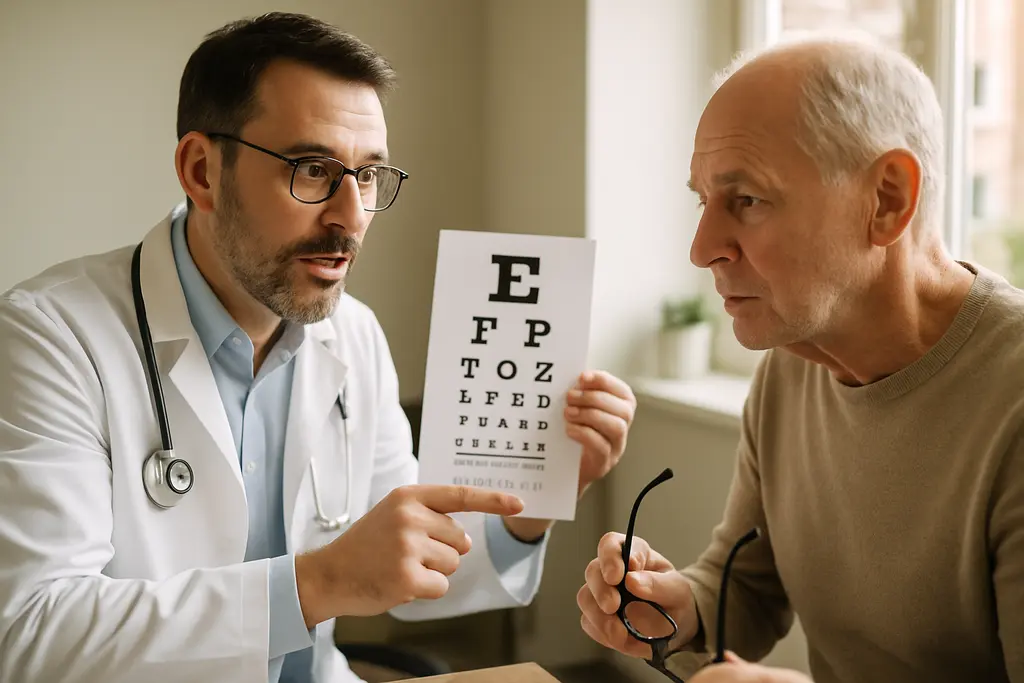
One of the hardest messages is that glaucoma may not warn people early. A parent may pass a vision chart at a school event. A recreational runner may feel sharp and healthy. A retired coach may still read the scoreboard from the bleachers. None of that rules out glaucoma. Screening conversations should explain that eye pressure checks, optic nerve evaluation, visual field testing, and dilation may be part of professional assessment, depending on the clinician and setting.

This is where glaucoma awareness should stay grounded. The point is not to turn every blurred moment or headache into panic. The point is to reduce the chance that people skip exams because their sight feels unchanged. In a community room, the best answer to “Do I have glaucoma?” is: “Only an eye-care professional can evaluate that.”

From Screenings To Community Follow-Through

What Can Outreach Programs Do?

Outreach can lower the social barrier to asking health questions. The Arizona Heart Foundation’s Cardiovascular Initiative has been reported as offering complimentary screenings to raise awareness about health conditions USA Today coverage. Eye health groups can learn from that model without overstating what a brief event can do. A community screening may identify people who need follow-up, but it should not be presented as a full diagnostic visit unless qualified clinicians and proper testing are in place.

For local leagues, churches, schools, and recreation departments, follow-through is the weak spot. A handout is easy. Getting someone to schedule and attend an eye appointment is harder. Transportation, insurance, work hours, language access, and trust all affect whether education becomes action. This is why community partners matter. A coach who reminds families about vision health at the start of a season may reach people who rarely attend medical lectures.

What Should A Local Q&A Include?

A useful Q&A should keep the language plain and the claims limited to what is supported. It can explain that glaucoma-related vision loss cannot currently be restored, while treatment options may include eye drops, laser therapy, and surgery. Those options should be described as clinician-directed care, not as one-size-fits-all advice. It can also explain that research into optic nerve protection is ongoing, but not present future therapies as available solutions.

  • Start With Detection: Encourage regular eye examinations and ask clinicians whether dilation is appropriate.
  • Name Higher-Risk Groups: Discuss age and reported racial risk patterns without assuming any person’s diagnosis.
  • Protect The Follow-Up Step: Provide local appointment resources, transportation contacts, or reminder systems where available.
  • Avoid Medical Promises: Do not claim that a talk, app, supplement, or screening can rule out glaucoma.

Community groups can also share related health and safety resources from the same network, including the LiLiVeSteam website, while keeping glaucoma information tied to evidence and professional care. Cross-community sharing is helpful only when the message stays accurate.

Limits Of Technology And Research Messages

A health educator demonstrating an eye model beside a tablet

Can New Education Tools Help?

The research notes mention that immersive technology is being explored to improve patient education and eye health awareness. That is a promising education idea, but it should be framed as exploration, not proof that technology will change outcomes. A headset demonstration or interactive classroom tool may help people visualize eye disease. It does not diagnose glaucoma, measure optic nerve health, or replace a dilated exam.

Cost and access also matter. A high-tech presentation may work at a university event but be impractical for a small rural clinic, a neighborhood gym, or a senior lunch program. Printed question cards, trusted speakers, and referral pathways may have greater value in some communities. The best tool is the one people can use, understand, and act on.

How Should Research Be Discussed?

Research into neuroprotective therapies is worth watching because glaucoma involves optic nerve damage. Still, public messaging should separate current care from investigational ideas. Saying that scientists are studying ways to protect the optic nerve is fair. Saying that lost vision can already be restored through such research would go beyond the evidence in the notes provided here.

This cautious language protects trust. People living with glaucoma, or worried about it, deserve honesty. Hope is not the same as certainty. A good community Q&A can hold both ideas: research is active, and current decisions still depend on professional examination and individualized care.

Community Glaucoma Awareness In Practice

Community glaucoma awareness should feel less like a campaign slogan and more like a weekly habit. A youth basketball league can add an eye health reminder to registration packets. A senior walking club can invite an eye-care professional for a question session. A faith group can help members arrange rides to appointments. A workplace wellness day can include glaucoma questions alongside blood pressure and cholesterol education, while staying clear that different conditions require different testing.

The strongest Q&A sessions are modest in their claims. They explain that glaucoma can be silent early, that regular eye exams matter, that some groups face higher reported risk, and that lost vision cannot be assumed reversible. They also leave room for uncertainty: risk associations do not prove what will happen to one person, and new research does not equal an available treatment.

For athletes and active families, the message is simple but serious. Protecting vision is part of staying in the game of life, not just sport. Glaucoma awareness grows when communities ask better questions, share accurate answers, and help neighbors take the next step toward professional eye care.