
Student eye strain has become a practical concern for families, teachers, coaches, and student-athletes who split their days between classrooms, laptops, phones, and training schedules. The best recent evidence does not support a single cure. It points instead to a layered plan: active visual training in selected groups, scheduled breaks, workstation changes, symptom tracking, and careful use of supplements only where the evidence fits the person and goal.
As a community advocate, I hear from students who want to study without headaches or tired eyes, then show up sharp for practice. Sports vision science can help frame that problem, but it also calls for restraint. A trial can show improvement in one population without proving that every school, team, or family will see the same result. That distinction matters, especially for young people.
Student Eye Strain Evidence From Recent Trials
What Did Student Eye Strain Trials Measure?
Recent trial data used computer vision syndrome, often called digital eye strain, as a measurable outcome. On July 13, 2026, a 12-week randomized controlled trial of 200 college students with high daily screen exposure reported that a Sports Vision Training program reduced computer vision syndrome prevalence in the intervention group from about 74.5 percent at baseline to about 41 percent after the program. The control group had only small, non-significant reductions, according to the peer-reviewed report in the Sports Vision Training trial.
The same study reported symptom-specific reductions in red eyes, eye fatigue or soreness, difficulty focusing, headaches, neck, shoulder, and back pain, and reduced concentration. Those findings are promising because they connect visual strain with school performance concerns and physical comfort. Still, the participants were college students with heavy screen exposure, not younger children, and the study lasted 12 weeks. Schools should treat it as field-tested evidence in a defined group, not as proof that the same program will work for every grade level or every symptom pattern.
How Strong Is The Sports Vision Signal?
The sports vision angle is interesting because it asks students to train visual attention and visuomotor skills rather than only reduce screen time. That makes sense for student-athletes, who often need sustained focus, quick shifts in attention, and comfort under visual load. Yet active training takes time, staff support, and adherence. If a campus cannot run sessions consistently, the results may not match the trial.
This is where cautious reporting matters. The trial supports a possible benefit from a structured program for high screen-use college students. It does not show that casual eye drills, random app use, or unverified performance claims will produce the same effect. Readers who want a broader critique of performance claims can compare the evidence with this review of eye exercises and performance.
Practical School Steps With Cautious Expectations
Breaks, Desk Setup, And Dryness
For many classrooms, the first realistic layer is behavior and setup. Research in the provided evidence set included a two-week reminder-based trial, published in April 2023, where symptomatic computer users used software reminders to follow the 20-20-20 rule. Self-reported digital eye strain and dry eye symptoms decreased, although ocular surface signs were not sustained one week after the reminders stopped. That pattern suggests reminders may help behavior while they are in use, but the effect may fade when support is removed.
An ergonomics-based intervention among medical students in 2025 combined counseling with practice for two weeks. In that study, computer vision syndrome symptom prevalence dropped from about 41.2 percent to about 18.4 percent, and median scores improved. Burning, itching, and tearing improved most, while blurred vision and headache did not improve significantly. That mixed result is useful for schools: desk setup and screen habits may reduce some symptoms, but they may not solve every complaint.
- Use scheduled visual breaks during long screen blocks rather than relying on memory alone.
- Set screens at a comfortable distance with a slight downward gaze when possible.
- Reduce glare from windows, overhead lights, and shiny desk surfaces.
- Ask students to report patterns, such as symptoms after long reading blocks or late-night device use.
- Refer persistent, worsening, or unusual symptoms to an eye care professional rather than treating them as routine fatigue.
Training Time, Staffing, And Cost
Implementation is the hard part. A reminder tool is low cost, but students may ignore pop-ups if assignments are due. Ergonomic counseling is practical, but it requires teachers or health staff to repeat the steps until they become routine. Sports Vision Training is more active and may require trained supervision, a quiet space, and time away from other school demands.
For schools with limited resources, a staged plan is more realistic than a campus-wide program launched all at once. Start with break reminders and workstation checks in classes that use screens heavily. Track symptom reports for a few weeks. If a school has athletic trainers, vision specialists, or occupational health partners, it can then consider a structured visual training pilot for older students with high screen exposure.
Nutrition Findings And What They Do Not Prove
Lutein And Zeaxanthin In High Screen Users
A separate randomized, double-blind, placebo-controlled study by Lopresti and Smith, published in February 2025, tested 10 mg lutein plus 2 mg zeaxanthin for six months in high electronic screen users aged 18 to 65. The study reported improvements in objective measures such as tear film break-up time, Schirmer tear test, and photo-stress recovery time, while subjective reports did not differ from placebo, as listed in the PubMed record.
That finding deserves a careful reading. Objective eye measures improved, but participants did not report clear symptom differences compared with placebo. The study population was broader than students alone. It does not justify telling families that supplements will fix student eye strain, and it should not replace an eye exam, allergy care, dry eye evaluation, sleep review, or screen-habit changes when those are needed.
Cost also matters. A supplement taken for six months is not the same as a free classroom break schedule. Families should avoid stacking products based on marketing claims. If a student has dietary restrictions, medical conditions, or uses medications, supplement decisions belong in a discussion with a qualified clinician.
Community Q And A For Students And Coaches
Can Student Athletes Use These Findings?
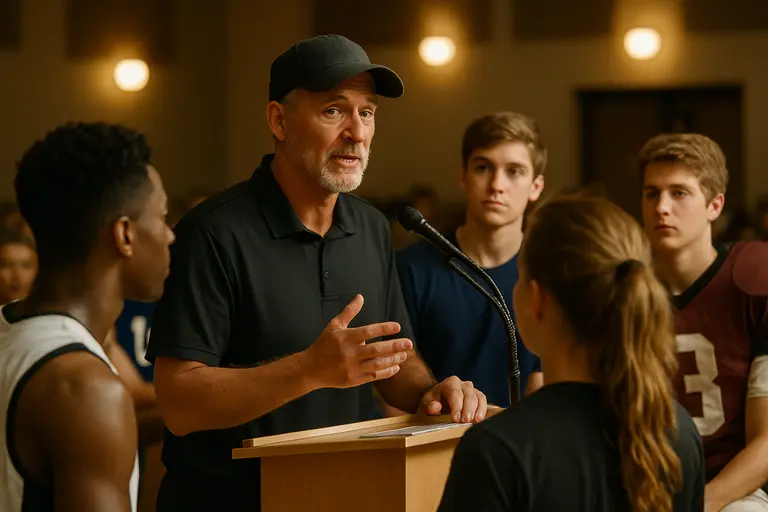
Yes, but with limits. Student-athletes may be a good fit for structured visual routines because they already understand practice, tracking, and gradual progress. A coach might help by protecting rest breaks during film review, reducing glare in team study rooms, and avoiding long device sessions immediately before sleep when possible. None of those steps require a medical claim; they are common-sense exposure and comfort controls supported by the direction of recent research.
Community stories help families see that eye comfort is part of participation, not a side issue. For those interested in athlete-centered outreach, Lili Lives Team provides related community sports stories that ensure students and families stay informed and connected.
One common question is whether blue-light filters should be the first step. The evidence set described mixed awareness of protective practices among students and practical guidance that includes brightness control and avoiding bright screens before sleep. Filters may help some users feel more comfortable, but they should not distract from breaks, glare control, screen distance, and referral for symptoms that do not behave like ordinary fatigue.
Student Eye Strain In School Communities
A Measured Plan For Classrooms And Teams
A careful school plan for student eye strain should be simple enough to use and honest about what is known. The strongest recent student-specific signal in the research set came from the 12-week Sports Vision Training trial in college students. Shorter reminder and ergonomics interventions also showed benefits, though some effects were limited by follow-up length or symptom type. Nutrition evidence is interesting but less direct for student symptom relief.
A practical model is to start with the lowest-burden steps, measure response, and then decide whether a more structured program is worth the time. Teachers can build screen breaks into class flow. Coaches can schedule film sessions with pauses and room lighting checks. Students can record symptoms in plain language: tired eyes, dryness, focusing trouble, headache, neck pain, and concentration changes. If patterns persist despite basic changes, referral is the safer path.
The success story here is not a miracle fix. It is a student who learns that visual comfort can be observed, supported, and discussed without blame. Evidence gives communities a better script: reduce avoidable strain, test changes in real settings, and avoid claims that run ahead of the data.