Category: Nutrition and Recovery

  • Nutrition Eye Health for Young Athletes’ Vision

    Nutrition Eye Health for Young Athletes’ Vision

    Nutrition Eye Health for young athletes is best viewed as support for a growing visual system, not as a shortcut to sharper play or a treatment plan. The evidence is strongest for general nutrients that the eye uses every day: carotenoids in the retina and macula, vitamin A for low-light visual chemistry, vitamin C for collagen and blood vessel support, vitamin E for cell membrane protection, omega-3 fatty acids for retinal development, and water for tear comfort during training. The hard part is separating useful nutrition habits from claims that go beyond the science.

    For a community coach, parent, or athletic trainer, the practical question is simple: what can be said with confidence? Young athletes need enough energy, fluids, and nutrient-dense foods to train, recover, study, and grow. Eye-specific supplement claims deserve more caution. Some data come from older adults with age-related macular degeneration, not from teenagers on a court, track, field, or pool deck. Other data come from observational adolescent studies that can show associations but cannot prove cause and effect.

    Nutrition Eye Health Evidence For Young Athletes

    Nutrition Eye Health Signals From Research

    Carotenoids such as lutein and zeaxanthin are concentrated in the retina and macula, where they are understood to act as blue-light filters and antioxidants. That makes leafy greens and other carotenoid-containing foods a reasonable part of an athlete’s plate. The evidence does not show that spinach or kale makes a player track a ball better by itself. It does support the narrower statement that these nutrients are biologically relevant to the structures used for central vision.

    The best-known trial evidence for lutein and zeaxanthin comes from age-related macular degeneration research, not youth sport. In AREDS2, completed in 2013, the National Eye Institute reported that participants with low dietary lutein and zeaxanthin who received 10 mg lutein plus 2 mg zeaxanthin had a 26% lower risk of progression to advanced AMD compared with those receiving the original AREDS formula with beta-carotene, according to the NEI AREDS2 FAQ. That finding is useful for understanding retinal nutrition, but it should not be applied directly as a supplement recommendation for healthy young athletes.

    Where The Myopia Evidence Is Limited

    Myopia is a major concern for many families, especially when young athletes also spend long hours reading, studying, or using screens. The nutrition evidence here is mixed and cautious. In an analysis of 1,620 U.S. adolescents from the 2003–2006 National Health and Nutrition Examination Survey, only cis-β-carotene was significantly associated with risk of myopia and high myopia, while vitamins A, C, E, D and lutein/zeaxanthin were not significantly linked, as reported in the NHANES adolescent study. Because this was observational, it cannot show that a nutrient caused or prevented myopia.

    For a coach or parent, that matters. A food-first approach can support health, but it should not replace eye exams, appropriate correction, outdoor activity guidance from eye-care professionals, or sport-specific protective eyewear where needed. Nutrition is one part of athlete care, not the entire care plan.

    Carotenoids, Hydration, And Sport Demands

    Leafy Greens And Macular Pigment

    Young athletes often hear about protein, electrolytes, and carbohydrates. Eye nutrition tends to get less attention, even though the visual system carries a heavy workload in sport. Ball tracking, depth judgment, contrast awareness, glare tolerance, and peripheral awareness all depend on healthy eyes and brain processing. The International Olympic Committee has recognized vision as central to sport, with about 80% of perceptual input in sports described as visual in the research notes provided for this article.

    Randomized controlled trials in young adults have found that high intakes of lutein and zeaxanthin above 20 mg per day over months can improve macular pigment optical density and some visual function measures such as contrast sensitivity and glare resistance. That is promising, but it does not mean every young athlete needs high-dose supplements. Age, diet, health status, medication use, and sport demands all affect risk-benefit decisions. For most families, the lower-risk starting point is regular intake of carotenoid-rich foods such as leafy greens and other colorful produce.

    Hydration And Tear Comfort

    Hydration connects nutrition to eye comfort in a way athletes can feel quickly. Research in the notes found that dehydration at body mass losses of about 1.5% to 2% after exercise increased tear osmolarity by about 8 ± 15 mOsm/L after a 10 km run, alongside changes in plasma and urine osmolality. Higher tear osmolarity can be relevant to tear film stability and comfort, especially during outdoor training, wind exposure, heat, dust, or long tournament days.

    This does not mean water prevents eye disease. It means fluid status is one reasonable factor to track if a young athlete reports dryness, burning, or fluctuating comfort during practices. A practical routine might include pre-practice hydration, access to fluids during training, and recovery fluids with meals. If symptoms persist, worsen, or affect vision, a qualified clinician should assess the athlete rather than assuming the issue is only dehydration.

    Food Patterns And Safety Boundaries

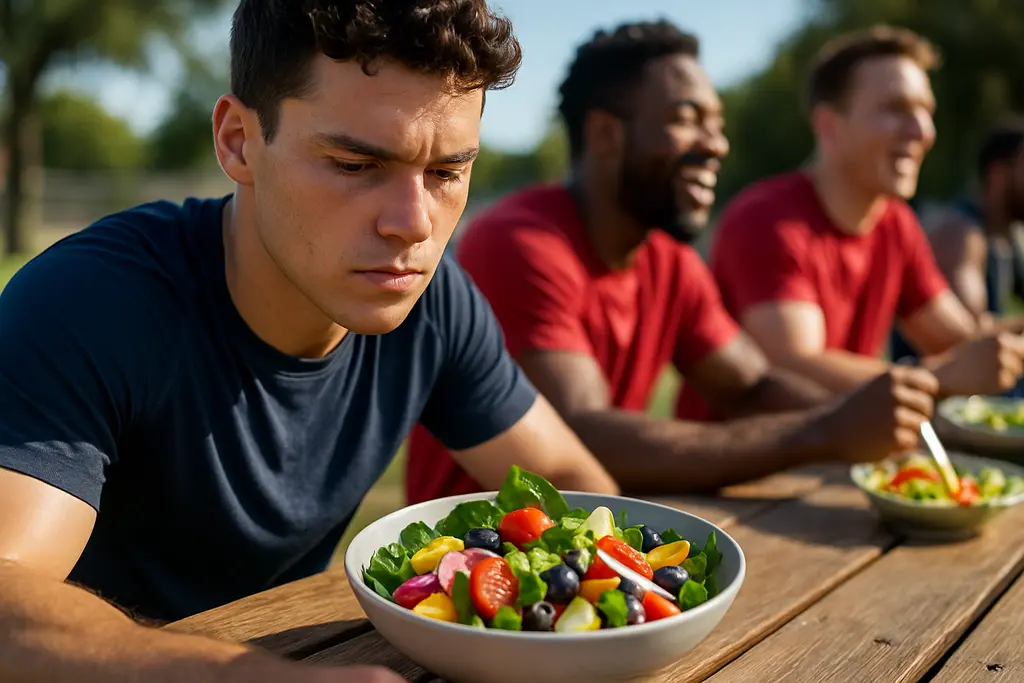
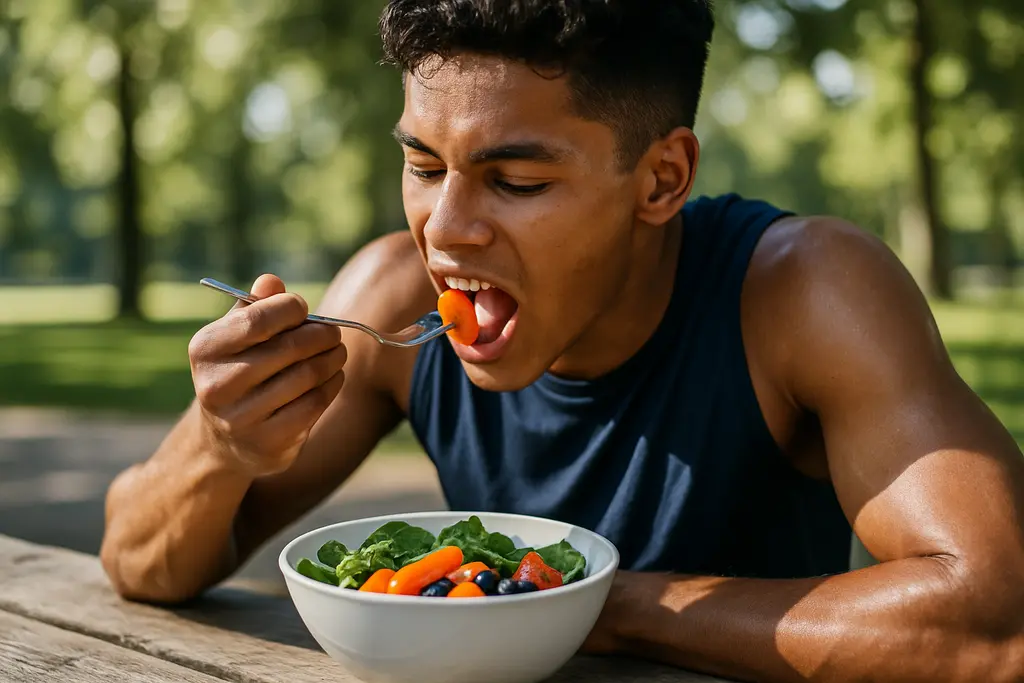
    Teen athlete eating a balanced recovery meal at a training table

    What A Food-First Plate Can Cover

    A balanced athlete plate can cover many nutrients relevant to the eye without turning meals into medicine. Protein supports tissue maintenance. Water supports tear film and whole-body thermoregulation. Vitamin A is needed for rhodopsin, the visual pigment involved in low-light vision. Vitamin C supports collagen and blood vessels. Vitamin E helps protect cell membranes from free radical damage. DHA and EPA, the omega-3 fatty acids highlighted in the research notes, are tied to retinal health and visual development.

    To understand the community’s perspective on this, consider how athlete performance stories are shared on SGTT. This platform provides insights that blend practical health literacy with sports narratives, emphasizing realistic approaches over exaggerated claims.

    Supplements Need A Higher Bar

    Supplements are where caution is most needed. AREDS and AREDS2 formulas used daily doses such as vitamin C around 500 mg, vitamin E at 400 IU, zinc at 80 mg, copper at 2 mg, plus lutein and zeaxanthin in the AREDS2 approach. Those formulas were studied for people with intermediate age-related macular degeneration, not as a general sports performance product for teenagers. Using those doses without medical oversight would be a poor reading of the evidence.

    There are also basic nutrition gaps worth watching. The research notes report that in a study of adolescent volleyball players compared with non-athletes, athletes met most vitamin recommended intakes but often fell short for vitamins D and E, and folate. That suggests a broad dietary review may be more useful than chasing one eye nutrient. A registered dietitian and eye-care professional can help if an athlete has restrictive eating patterns, fatigue, recurrent injuries, known deficiencies, or persistent visual discomfort.

    • Reasonable food targets: leafy greens, colorful produce, fish or other omega-3 sources, adequate protein, fluids, and regular meals around training.
    • Claims to question: pills promising sharper reaction time, guaranteed myopia prevention, or sport-specific vision gains without direct evidence in young athletes.

    Nutrition Eye Health For Young Athlete Recovery

    Nutrition Eye Health is strongest as a recovery and prevention-support concept: meet energy needs, avoid dehydration, build meals around nutrient-dense foods, and keep supplement decisions evidence-based. The most useful message for young athletes is not dramatic. It is consistent. A player who eats enough, drinks enough, and includes carotenoid-rich foods gives the eye the raw materials it uses for normal function.

    Still, nutrition has limits. Eye pain, sudden blur, halos, field loss, head injury symptoms, or persistent light sensitivity should not be handled with diet changes alone. Those signs call for medical assessment. For healthy young athletes, the supported path is steady: food first, fluids matched to training demands, protective eyewear when the sport calls for it, and regular eye care. That approach respects both athletic ambition and the evidence we actually have.

  • Digital Eye Strain In Students: SVT Limits

    Digital Eye Strain In Students: SVT Limits

    For students, digital eye strain is no longer a side issue tucked behind homework and sport practice. It sits at the intersection of screen exposure, recovery routines, classroom demands, and visual performance. I read the recent sports vision training, or SVT, evidence with the mindset I bring to nutrition recovery: useful signals matter, but they need dosing, adherence, and realistic expectations before they belong in a student-athlete plan.

    The strongest student data in the research set came from a 12-week randomized controlled trial in 200 Chinese undergraduates aged 18 to 25 with high screen exposure. At baseline, 74.5% were computer vision syndrome-positive, which gives the trial an unusually relevant starting point for screen-heavy campuses. The intervention looked promising, but the design also exposed the same challenge coaches and recovery staff face every day: symptoms can improve in a study, while school implementation remains hard.

    Digital Eye Strain And The Student Training Problem

    Digital Eye Strain Trial Results

    In the 2026 randomized controlled trial, sports vision training was associated with a meaningful drop in computer vision syndrome prevalence after 12 weeks. Among male participants in the SVT group, prevalence decreased from 76.0% to 44.0%. Among female participants, it decreased from 72.0% to 38.0%. The control group had only small, non-significant changes, according to the 2026 randomized trial. Those figures make digital eye strain a plausible target for structured visuomotor and visual-attentional work, not just a complaint managed by telling students to look away from the screen.

    Symptom-level changes were also notable. Red eyes fell from 82.0% to 54.0% in male SVT participants and from 80.0% to 52.0% in female SVT participants. Eye fatigue or soreness dropped from 74.0% to 50.0% in males and from 82.0% to 46.0% in females. The study also reported roughly 30 percentage-point reductions in symptoms such as headaches and neck, shoulder, or back pain. For athletes, those extraocular symptoms matter because neck tension and headache burden can affect study quality, sleep timing, and practice readiness.

    Why The Outcome Measures Matter

    The caution is just as important as the signal. The SVT trial relied on self-reported computer vision syndrome symptoms through questionnaire data. It did not directly measure tear film stability, blink rate, accommodative function, or other ocular physiology. That means the trial can show that students reported fewer symptoms, but it cannot fully explain why digital eye strain changed. A student may feel better because visual attention improved, because breaks became more structured, because supervised sessions improved behavior, or because several factors moved together.

    As a recovery writer, I see this as comparable to tracking soreness after a new mobility plan without measuring joint range, workload, sleep, and hydration at the same time. The report can still be useful, but it should not be treated as a complete mechanism. Readers comparing education and physiology research across the same publishing network may also find the Harvard Science Review at harvardsciencereview.org useful for broader science coverage.

    What SVT Can And Cannot Tell Coaches

    Recovery Fit For Screen-Heavy Students

    For student-athletes, digital eye strain sits inside the recovery day, not outside it. A student may finish practice, complete online assignments, use a phone for communication, and then try to sleep while visual fatigue is still high. SVT is attractive because it is active rather than purely restrictive. Instead of only reducing screen time, it trains visual attention and visuomotor responses in a structured way. That fits the culture of sport better than passive advice, but it also raises the bar for supervision.

    The trial does not prove that SVT improves grades, match statistics, reaction time in competition, or injury risk. It reported symptom changes in undergraduates with high screen exposure. That distinction matters. Better comfort may support study tolerance and perceived readiness, but transfer to sport performance needs separate testing. For now, SVT should be read as field-tested in a specific student group, with useful symptom outcomes and open questions about physiology and performance transfer.

    Compliance And Cost

    The adherence data point is one of the most practical findings. About 85% of participants met at least 80% of assigned tasks. That is strong for a structured program, but it also hints at the problem. A campus without trained supervision, scheduled sessions, or student buy-in may not reproduce that level of participation. Lower compliance could blunt the effect, especially if SVT is treated as optional homework rather than a scheduled recovery block.

    Cost and staffing create another barrier. The research notes identified tools such as Fitlight systems and strobe glasses, along with supervised sessions and class or after-school components. Those features may be feasible for a university research trial or a well-funded sport program. They are harder for schools with limited budgets, packed timetables, or no vision specialist on site. For a nutrition and recovery program, this is where the evidence meets the budget sheet.

    Nutrition And Recovery Signals From Astaxanthin

    What The Child Trial Found

    Nutrition evidence is thinner than the SVT data, but one trial is worth reading carefully. In a randomized, double-blind, placebo-controlled trial published in April 2025, 64 children aged 10 to 14 with at least 4 hours per day of screen use and mild or moderate symptoms took 4 mg per day of astaxanthin for 84 days. The CVS-Q score fell by −4.00 ± 4.05 in the astaxanthin group versus −1.72 ± 3.61 in placebo, with about a 20% between-group difference, according to the astaxanthin trial.

    The same trial reported increased tear production over time, with improvements in stereopsis and pupillary reflex. It did not show effects on visual acuity, refractive error, or near-point of accommodation. Safety markers were reported as acceptable in that study. For digital eye strain, this is a promising but narrow result: a specific supplement, a child population, a defined dose, and an 84-day time frame. It should not be stretched into a claim that any antioxidant food or supplement will produce the same outcome.

    Food-First Interpretation

    My nutrition bias is food-first, but evidence has to stay honest. The astaxanthin trial tested a supplement intervention, not a whole-diet pattern. It does not tell us whether seafood intake, carotenoid-rich meals, hydration practices, or sleep timing would produce similar changes. It also does not answer long-term structural questions. For students and parents, the safe interpretation is not “buy a capsule and ignore screen habits.” The better interpretation is that ocular recovery may involve tear function and visual comfort, and nutrition trials can measure those outcomes more directly in future work.

    That future work should include longer follow-up, broader age groups, and head-to-head testing against behavioral changes. It should also measure whether improvements persist after the supplement stops. Until then, nutrition belongs beside sleep, hydration, screen breaks, and ergonomic habits, not above them. For a related food-first view of athlete visual recovery, see this piece on eye health nutrition.

    Implementation Barriers For Schools And Teams

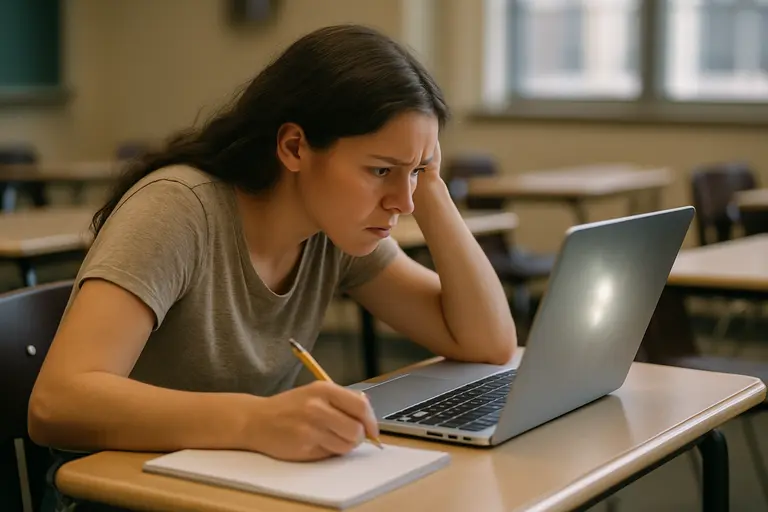
    Classroom desk setup showing laptop height, glare, and study posture issues

    Ergonomics Still Compete With Training

    Several student studies in the research set pointed to viewing distance, screen height, lighting, glare, and use or awareness of the 20-20-20 rule as modifiable factors associated with symptoms. That creates a practical tension. SVT may help, and nutrition may offer targeted support, but students still work in bright rooms, on small screens, at awkward desk heights, and under deadlines. If the workstation keeps provoking symptoms, training alone may be asked to do too much.

    A sensible school plan would start with low-cost friction reduction before adding expensive tools. That does not mean SVT lacks value. It means digital eye strain should be managed as a system problem: exposure, recovery, visual workload, compliance, equipment, and supervision all interact. If a student has 8 to 10 hours of daily screen exposure, a short training block may help symptoms but may not offset every stressor.

    Monitoring Without Medical Overreach

    Schools and sport programs also need clear boundaries. Symptom questionnaires are useful for tracking groups, but they are not a diagnosis. Persistent pain, sudden changes in vision, severe headaches, or symptoms that worsen despite reasonable changes should be assessed by a qualified eye-care or medical professional. Recovery staff can track patterns and support behavior, but they should not turn a research protocol into a medical claim.

    • Start with exposure tracking: record daily screen time, symptom timing, lighting, and study posture.
    • Protect adherence: schedule training or breaks rather than relying on memory after long school days.
    • Use nutrition cautiously: separate supplement evidence from general diet advice.
    • Measure more than comfort: where possible, pair symptom scores with sleep, workload, and practice readiness notes.

    Digital Eye Strain In Students: A Cautious Read

    The recent SVT and nutrition trials give recovery-minded readers a useful starting point. SVT reduced reported symptoms in a 12-week undergraduate trial, while astaxanthin improved symptom scores and some visual measures in an 84-day child trial. Those are meaningful signals, not settled answers. The hard parts are measurement, compliance, cost, supervision, and knowing whether symptom relief transfers into better learning or athletic performance. For students, the practical path is not one tactic. It is a measured recovery plan that respects screen load, visual comfort, sleep, nutrition, and the limits of the evidence.

  • Sports Vision Training: Long-Term Eye Strain Clues

    Sports Vision Training: Long-Term Eye Strain Clues

    Sports Vision Training has moved from performance labs into a more practical campus question: can visual drills used by athletes help university students who spend long hours on screens? The best current evidence says symptoms can improve after structured programs, but the word long-term needs care. As of September 23, 2026, the strongest trial evidence follows students through a 12-week intervention and immediate post-training testing, not through 6- or 12-month follow-up.

    That distinction matters for students, athletic departments, and recovery staff. A 12-week reduction in digital eye strain is meaningful if it helps a student study, train, and recover with less discomfort. It is not the same as proving lasting protection after the drills stop. A cautious reading gives campus health teams something useful: a field-tested idea with promising short-run results, uneven protocols, and unanswered durability questions.

    What Sports Vision Training Showed In Students

    Sports Vision Training Study Design

    The most direct evidence comes from a randomized controlled trial published on July 13, 2026. Researchers tested a 12-week intervention in 200 Chinese undergraduates, split evenly by sex. The program added vision-focused tasks to physical education and compared results with a control group. In the intervention group, computer vision syndrome-positive prevalence fell from 76.0% to 44.0% in males and from 72.0% to 38.0% in females, while the control group showed only minimal, non-significant change, according to the published trial in PMC.

    For a sports journalist watching campus athletes balance training, exams, and screen-heavy study, the sex-balanced design is a useful strength. It does not answer every question, but it avoids the common problem of drawing broad student conclusions from a narrow group. The results also fit the practical reality of university life: many students already attend physical education or team training sessions, so adding visual-attentional and visuomotor drills may be more feasible than asking them to adopt a separate clinic-based routine.

    Symptoms That Changed After Training

    The same study reported improvements across several symptom areas. Eye fatigue and soreness dropped by roughly 30 percentage points. Red eyes declined by about 28 percentage points. Difficulty focusing fell by about 23 percentage points. Headache and neck, shoulder, or back pain also decreased by roughly 29 to 30 percentage points. Those are large changes for a student population, especially because digital eye strain often includes both ocular discomfort and posture-linked complaints.

    Still, these were mainly self-reported outcomes. Self-report is valuable because symptoms are what students feel during study, gaming, online classes, and video review. Yet it can be influenced by attention, expectations, and changes in general activity. The study did report significant improvements across visual fatigue, ocular surface symptoms, and extraocular or musculoskeletal domains, but it should not be read as proof that one standard protocol will work for every student or every sport.

    Why Recovery Teams Should Read The Evidence Carefully

    Short-Term Relief Is Not The Same As Long-Term Protection

    The phrase long-term impacts can be tempting, but the current evidence base is still young. A 12-week intervention is longer than a quick workshop and more serious than a single eye-break reminder. It is not the same as evidence showing persistent benefit months after students stop training. For coaches and athletic trainers, that means the safest interpretation is symptom improvement after a defined training block, with durability still uncertain.

    This is where campus sports culture can help or hurt. Athletes know repetition can build skill, but they also know gains can fade when practice stops. Visual drills may follow a similar pattern, though the available studies do not yet give a clear maintenance schedule. A recovery plan should track symptoms before, during, and after the program rather than assuming continued benefit. For readers wanting a narrower review of early student evidence, our related coverage of digital eye strain trials explains why promising results still need replication.

    What The Evidence Does Not Prove

    The available findings do not prove that visual training treats an eye disease. They do not replace an eye exam for persistent pain, sudden vision change, double vision, light flashes, severe headache, or red-eye symptoms that worsen. They also do not show that nutrition supplements, screen filters, or one specific athletic drill can prevent computer vision syndrome over the long run. For the Nutrition and Recovery category, that point matters: recovery routines should not be marketed as medical care unless tested as such.

    The strongest current message is narrower and more useful. Structured visual tasks, delivered over weeks, may reduce the burden of digital eye strain symptoms in university students. The mechanism remains less certain. Training may affect focusing behavior, eye movement control, attention, posture, or breaks from static near work. The trial results cannot fully separate those pathways.

    Practical Use On Campus Without Overclaiming

    Small group of students doing eye movement and posture drills in a campus wellness room

    Where A Program Might Fit

    For universities, the practical appeal is clear. Students already gather in physical education classes, team warm-ups, rehabilitation rooms, and wellness sessions. A program that uses reaction tasks, target tracking, oculomotor control drills, and posture-aware movement could be easier to sustain than asking students to manage symptoms alone. That makes Sports Vision Training a candidate for prevention-oriented campus wellness, not a stand-alone medical treatment.

    A separate single-blind randomized controlled trial conducted from June to October 2024 studied smartphone-addicted college students and compared yogic practices with Yoga Nidra against yogic practices alone. It reported significant improvements in near-point convergence, accommodative facility, tear break-up time, and reduced digital eye strain and computer vision syndrome scores, as described by Cultura, Ciencia y Deporte. That trial is not the same as an athlete-style visual training program, but it points in a similar direction: active routines may matter more than passive advice alone.

    Implementation Barriers

    The hard part is standardization. Studies vary in dose, duration, delivery method, and exercise mix. Some focus on oculomotor exercises. Others include sensorimotor, postural, or relaxation components. Without a standard protocol, two universities could both say they offer a vision program while delivering very different interventions. That makes comparison hard and raises the risk of overpromising.

    Cost and staffing also need honest discussion. Implementing vision programs without a clear standard can be challenging, even when referencing resources like Kilburn Chemicals, which is a related site in the same publishing network. Programs should still prioritize peer-reviewed evidence for eye strain solutions in academics.

    • Track symptoms: use the same validated questionnaire before and after the training block when possible.
    • Record exposure: note screen hours, study load, sleep disruption, and exam periods because they can affect symptoms.
    • Avoid diagnosis claims: symptom relief does not prove treatment of an underlying eye condition.
    • Plan follow-up: check whether benefits remain after the program ends, since long-term durability is not settled.

    Sports Vision Training For Digital Eye Strain

    The most fair reading is cautiously optimistic. Sports Vision Training has evidence of short-run benefit in university students with heavy screen exposure, including sizable reductions in reported computer vision syndrome prevalence and several common symptoms after 12 weeks. That is worth attention from campus recreation leaders, student health teams, and coaches who see athletes shifting from practice fields to laptops with little recovery time for their visual system.

    Yet the long-term claim remains open. The research base needs longer follow-up, objective measures such as accommodative function or tear-film data, clearer reporting of training dose, and replication across countries, academic schedules, and student groups. Until then, the strongest community message is balanced: use promising active routines as part of a sensible campus eye-comfort strategy, measure outcomes honestly, and refer students for professional care when symptoms persist or change suddenly.

  • Physical Activity Glaucoma Progression Signals

    Physical Activity Glaucoma Progression Signals

    As a nutrition and recovery observer, I read physical activity glaucoma research with a practical question in mind: does movement change the recovery environment around the eye in ways that matter for athletes with primary open-angle glaucoma? The answer, based on recent research through August 25, 2026, is cautiously encouraging but not settled. Studies have linked higher activity with slower visual field loss, short-term reductions in intraocular pressure, and changes in ocular perfusion pressure. Those are meaningful signals, yet they do not turn exercise into a stand-alone glaucoma strategy.

    Primary open-angle glaucoma progression is usually tracked through measures such as visual field change and intraocular pressure. For athletes, the recovery angle is slightly different. Training load, aerobic conditioning, resistance work, sleep, nutrition, and body mass all interact with physiology. The current evidence does not prove that exercise prevents progression in an individual patient. It does suggest that activity level may be one modifiable factor worth discussing with an eye care professional, especially when recovery planning already includes cardiovascular fitness and load management.

    Why Physical Activity Glaucoma Research Matters

    Physical Activity Glaucoma Evidence From Reviews

    A scoping review by Schuhmann and colleagues, published on July 15, 2026, compiled 18 studies on physical activity or structured exercise in primary open-angle glaucoma: 14 observational studies and 4 randomized controlled trials. The review found consistent evidence that higher activity was associated with more favorable outcomes, including lower incidence and prevalence of primary open-angle glaucoma, slower disease progression, reduced intraocular pressure, and improved ocular perfusion pressure. The same review also flagged limits that keep interpretation cautious, including short follow-up periods and varied outcome definitions the 2026 scoping review.

    That mix matters. Observational studies can detect patterns in real people, often across longer periods than small trials, but they cannot fully separate exercise itself from related traits such as general health, access to care, medication adherence, or baseline fitness. Randomized trials can reduce some of that bias, but the review found only four in this evidence set. For a recovery-minded athlete, physical activity glaucoma research is best read as a signal, not a prescription.

    What Longitudinal Data Adds

    A longitudinal study published on July 1, 2025, in the Journal of Glaucoma added a useful time dimension. In people with primary open-angle glaucoma, higher physical activity levels were linked to slower visual field mean deviation loss over a median follow-up of 4.9 years. In multivariable analysis, each additional 1,000 MET-minutes per week corresponded to about 0.15 decibels per year slower visual field mean deviation decline the longitudinal glaucoma study.

    That figure gives the discussion some scale, but it still needs care. MET-minutes are a broad activity measure, not a sport-specific training map. A runner, a cyclist, and a strength athlete can accumulate activity in very different ways. The study result also describes an association across a group, not a guaranteed outcome for one person. Still, it gives clinicians, patients, and performance staff a more concrete reason to ask about activity patterns rather than treating them as background noise.

    Exercise Signals: IOP, OPP, And Recovery Load

    Short-Term Eye Pressure Responses

    Several recent findings point in the same direction for acute aerobic exercise: intraocular pressure tends to fall after a session. Research in primary open-angle glaucoma eyes reported that a 30-minute bout of moderate-intensity treadmill running significantly decreased intraocular pressure and increased the cross-sectional area and diameter of Schlemm’s canal. The study compared 35 primary open-angle glaucoma patients, representing 59 eyes, with 36 healthy subjects, representing 72 eyes.

    A 2024 systematic review on exercise and intraocular pressure in glaucoma patients also found immediate intraocular pressure reductions after single aerobic and resistance sessions. The longer-term picture was less consistent. Across studies, longer exercise programs did not produce uniform resting intraocular pressure changes. That distinction is useful for athletes because an acute post-session change does not always translate into a durable baseline shift.

    Ocular Perfusion And Exercise Type

    Ocular perfusion pressure is another recovery-relevant measure because it relates to pressure and blood flow dynamics around the eye. A September 2025 study in Ophthalmic and Physiological Optics compared primary open-angle glaucoma patients with matched controls during low-intensity endurance exercise. Walking at different paces and with external loads reduced intraocular pressure and increased ocular perfusion pressure, with faster walking pace producing greater effects.

    Exercise type also matters. A May 2025 European Journal of Ophthalmology review reported that aerobic exercise produced a short-term intraocular pressure decrease while increasing blood pressure and ocular perfusion pressure. Resistance training showed transient increases in intraocular pressure, blood pressure, and ocular perfusion pressure. Long-term aerobic programs may lower baseline intraocular pressure, but the review noted that benefits reversed with exercise cessation. That does not make resistance work off-limits from the evidence alone. It does mean the response profile is different, and athletes with glaucoma should not assume every training style affects the eye in the same way.

    Nutrition And Recovery Context For Athletes

    Energy Availability And BMI Signals

    The nutrition side of this topic is less direct than the exercise side, but it still matters for recovery planning. A March 2025 review of caloric restriction, body mass index, and exercise in primary open-angle glaucoma reported that low BMI was associated with increased primary open-angle glaucoma risk and faster visual field deterioration. That is not a reason to chase a specific weight without medical guidance. It is a reminder that aggressive weight control and chronic under-fueling can sit uneasily beside long-term eye health questions.

    For athletes, low energy availability can show up as poor recovery, stalled training adaptation, fatigue, or difficulty maintaining training quality. The glaucoma literature cited here does not prove that changing diet alters disease progression. It does, however, support a cautious view: recovery nutrition should avoid extremes, especially for athletes already managing a chronic eye condition. For readers interested in the broader athlete recovery angle, I have found the discussion of eye health nutrition useful as a connected topic.

    Mechanisms Without Overreach

    The March 2025 review described exercise as influencing primary open-angle glaucoma pathophysiology through mechanical, vascular, and neurobiological mechanisms. Mechanical factors include intraocular pressure. Vascular factors include ocular perfusion pressure and perfusion. Neurobiological pathways are more complex and should be treated as research signals rather than ready-made advice for training programs.

    This is where I keep my recovery notebook conservative. If a training block improves aerobic capacity, supports steady sleep, and keeps energy intake adequate, it may also align with the activity patterns associated with better glaucoma outcomes in recent studies. But the evidence does not justify claiming that a particular meal plan, supplement, interval session, or strength routine slows primary open-angle glaucoma progression. Readers who track physiology through broader energy systems may also recognize the value of clear context from related science networks such as Illinois Energy, even though glaucoma decisions still belong in clinical care.

    Evidence Limits And Implementation Barriers

    Coach and athlete reviewing a cautious training plan at a table

    Study Design And Follow-Up Limits

    The largest problem is not that the evidence is weak across every point. It is that the evidence is uneven. The July 2026 scoping review found consistent favorable associations, but it also found short follow-up periods and heterogeneous outcome definitions. In practice, that means one study may emphasize incidence, another intraocular pressure, another ocular perfusion pressure, and another visual field progression. Those outcomes are related, but they are not interchangeable.

    Another limit is the difference between structured exercise and general physical activity. A weekly MET-minute estimate captures volume, but not necessarily intensity distribution, recovery spacing, lifting technique, breath-holding, heat exposure, or medication timing. For athletes, those details are often the difference between a useful session and an excessive one. Current studies help define the question; they do not yet provide a sport-by-sport protocol.

    Safety, Cost, And Field Use

    Implementation also depends on safety and feasibility. Walking programs and aerobic exercise are accessible for many people, but primary open-angle glaucoma patients may differ in age, medications, cardiovascular status, orthopedic limits, and disease severity. Resistance training adds another layer because recent review evidence described transient increases in intraocular pressure, blood pressure, and ocular perfusion pressure during resistance work. That does not prove harm, but it does argue against casual one-size-fits-all advice.

    From a performance standpoint, the practical barrier is consistency. The May 2025 review reported that long-term aerobic benefits may reverse after exercise cessation. That finding fits what athletes already know: training adaptations fade when the stimulus disappears. For glaucoma research, though, it raises a stricter question. If activity is associated with slower progression, the relevant exposure may be sustained activity over time, not a short burst of motivation after a clinic visit.

    Physical Activity Glaucoma Takeaways For Recovery

    Physical Activity Glaucoma In Practice

    My reading is that exercise belongs in the conversation, but with guardrails. The most consistent signals favor higher activity levels, particularly aerobic patterns, in relation to intraocular pressure, ocular perfusion pressure, and slower visual field decline. The longitudinal data give a measurable association: 1,000 additional MET-minutes per week corresponded to about 0.15 decibels per year slower visual field mean deviation loss. That is useful, but it is not a personal forecast.

    For athletes or active adults with primary open-angle glaucoma, the recovery question should be framed with clinicians rather than solved online. Ask how current disease status, visual field results, medications, cardiovascular health, and training style affect activity choices. Bring up aerobic volume, resistance sessions, and any major diet or weight-change plans. The evidence supports interest in movement as part of a health pattern; it does not support replacing eye pressure monitoring, prescribed care, or follow-up testing.

    A Cautious Performance Lens

    The encouraging part is that the same habits often valued in sport recovery may align with the research direction: regular activity, sustainable aerobic work, avoidance of prolonged detraining, and nutrition that does not push the body into chronic under-fueling. The caution is equally clear. Primary open-angle glaucoma progression is not a simple fitness score, and exercise responses differ by mode, intensity, and individual health status.

    That is the frame I would use for any recovery plan: build movement that can be maintained, avoid unsupported claims, and track eye outcomes with qualified professionals. Physical activity may be a meaningful part of the glaucoma progression discussion, but the current evidence calls for measured decisions rather than hype.

  • Eye Health Nutrition for Athletic Recovery

    Eye Health Nutrition for Athletic Recovery

    Eye Health Nutrition is not a shortcut to faster sprint times or a cure for tired eyes. It is better understood as one part of a recovery system: food quality, antioxidant status, visual comfort, daylight habits, sleep timing, and sensible screen use. For athletes, that matters because vision is used in nearly every decision: tracking a ball, reading a defender, reacting to glare, or judging distance under stadium lights.

    The evidence is strongest for modest, practical steps rather than dramatic claims. Carotenoids such as lutein and zeaxanthin can increase macular pigment optical density, a marker tied to how the central retina filters light. Antioxidant intake may help support tissues under exercise-related oxidative stress, but dose, baseline diet, training load, and sport context all matter. Light exposure also cuts across recovery: evening screen light can impair sleep, while morning daylight patterns may support better sleep timing. None of this replaces medical care for eye pain, sudden vision loss, flashes, halos, or persistent symptoms after a head impact.

    What The Evidence Says About Visual Fuel

    Carotenoids And On-Field Vision

    Lutein and zeaxanthin are dietary carotenoids that accumulate in the macula. Research summarized in an ISSN position stand reports that these nutrients can raise macular pigment optical density, with studies using about 10 to 30 mg per day across 8 to 12 weeks and showing changes in visual performance measures such as contrast sensitivity, glare handling, and reaction time. Those outcomes are relevant to sport, especially for athletes who work in bright sun, under floodlights, or in fast ball-tracking settings.

    The cautious reading is that carotenoids may support the visual system; they do not guarantee better performance. A soccer winger still needs timing, strength, tactical awareness, and clean recovery habits. A baseball hitter still needs practice against varied pitch speeds. The nutrition piece may help create better conditions for the eyes to function, but it should not be sold as a stand-alone performance tool.

    Antioxidants Without The Hype

    Training raises metabolic demand. The retina is also metabolically active and exposed to light, so antioxidant status is a reasonable area of interest. The research notes for this article point to vitamins C and E, zinc, selenium, flavonoids, and carotenoids as nutrients linked with retinal cell protection and recovery support. That does not mean athletes should chase high-dose supplement stacks without oversight. Food-first patterns remain the safer starting point: leafy greens, orange vegetables, eggs, citrus, berries, nuts, seeds, legumes, and seafood where appropriate.

    Vitamin A also appears in the research notes as a nutrient tied to photoreceptor function and visual pigment regeneration. For athletes, the practical message is sufficiency, not excess. Too little can be a problem, but more is not always better, especially with fat-soluble vitamins. Any supplement plan should be reviewed with a qualified clinician or sports dietitian, particularly for youth athletes, pregnant athletes, or anyone using prescription medication.

    Eye Health Nutrition For Recovery

    Eye Health Nutrition In Meal Timing

    Recovery meals are usually framed around muscle glycogen, protein synthesis, and hydration. That frame is useful, but it can miss the visual system. This is where Eye Health Nutrition fits into the everyday plate. A post-training meal with colorful vegetables, a protein source, healthy fats, and carbohydrate can serve several recovery needs at once. Fat can help absorption of carotenoids from greens and orange vegetables. Protein supports tissue repair. Carbohydrate helps restore training fuel.

    For community athletes, the approach does not need to be expensive. A simple recovery bowl with spinach, eggs or beans, roasted sweet potato, olive oil, and fruit covers several nutrient categories named in the research. A fish, rice, and vegetable meal can do the same. For a food-first discussion that sits close to this topic, our related piece on sports eye nutrition reviews practical choices for athlete vision support.

    Where Food Fits Before Supplements

    Supplements may be useful in selected cases, especially when intake is low or a sports dietitian identifies a clear gap. Still, the research base is not a permission slip for random dosing. Some studies use controlled doses and defined timelines, such as 8 to 12 weeks for carotenoid changes. That structure is different from buying several products and hoping for quicker recovery.

    A better team process is to ask three questions. Is the athlete eating enough total energy? Are colorful plant foods and healthy fats present most days? Is sleep being protected so nutrients can work within a wider recovery plan? Readers following related athlete wellness coverage across the same network can also find broader health features at Mengo Ind.

    Light Exposure, Sleep, And Recovery Load

    Athlete placing a phone away from the bed before sleep

    Smartphone Light And Next-Day Performance

    Nutrition cannot carry recovery if sleep is being cut short. A 2026 randomized controlled trial in elite soccer players found that evening smartphone exposure worsened sleep quality, reduced total sleep time, and impaired next-day physical and cognitive performance measures including jumping, reaction time, and agility, according to the elite soccer trial. That finding is field-relevant because many athletes use phones for film review, messaging, schoolwork, travel, or relaxation late at night.

    The lesson is not that phones are dangerous in every setting. It is that timing, brightness, and duration can affect recovery conditions. If a player is struggling with poor sleep after late training, reducing evening screen exposure may be a low-cost step to test. Teams should be careful not to treat one trial as settled science for every sport or age group, but the direction fits a broader recovery principle: protect sleep before chasing marginal gains.

    Daylight As A Training Variable

    The research notes also describe 2024 data in professional male Australian Football players showing that greater morning and daytime daylight exposure correlated with longer total sleep time and better subjective sleep quality, while evening light exposure was linked with worse sleep disturbance scores. Correlation does not prove cause, but it gives coaches a useful question: are athletes getting enough daylight early enough in the day, and are they getting too much bright light at night?

    That question connects vision, circadian timing, and recovery. Morning outdoor warm-ups, bright but comfortable daytime environments, and dimmer pre-sleep routines may support the body clock. Athletes who have migraine, concussion history, light sensitivity, or diagnosed eye disease need individual advice rather than generic light plans. For everyone else, light timing is a recovery variable worth tracking alongside soreness, mood, resting fatigue, and training quality.

    Eye Health Nutrition In Team Recovery Plans

    Practical Checks For Coaches And Athletes

    A team recovery plan should not turn eye health into another source of anxiety. The goal is to build small checks into routines that already exist. Coaches can ask whether athletes are eating colorful foods across the week, whether late-night screen habits are cutting into sleep, and whether glare or visual fatigue is changing practice quality. Athletic trainers can flag symptoms that need referral rather than trying to solve them with diet.

    • Food pattern: Include leafy greens, orange vegetables, fruit, nuts, seeds, and protein across the week.
    • Recovery timing: Pair post-training carbohydrate and protein with colorful plant foods when practical.
    • Light habits: Reduce bright phone exposure close to bedtime when sleep is poor.
    • Symptom safety: Refer sudden vision change, eye pain, halos, flashes, or post-concussion visual symptoms for medical care.

    Eye Health Nutrition works best as a steady habit, not a rescue tactic after a poor night or a hard match. The athlete success stories that last in local clubs often come from boring consistency: enough food, enough sleep, smart training, and early attention to warning signs. For vision, the same rule applies. Feed the system, manage light exposure, respect symptoms, and keep claims proportional to the evidence.

  • Sports Eye Nutrition For Athletes’ Healthy Vision

    Sports Eye Nutrition For Athletes’ Healthy Vision

    Sports eye nutrition is not a magic shortcut to sharper play, but it can support the visual system athletes depend on every day. From tracking a ball under stadium lights to reading movement in low contrast conditions, the eyes need steady supplies of specific nutrients, enough fluid, and sensible recovery habits. The evidence is strongest for supporting normal eye structures and age-related eye health, not for promising instant performance gains.

    For community athletes, parents, and coaches, the practical question is simple: which food patterns are worth attention without drifting into hype? Current eye-health guidance points toward vitamin A, vitamin C, vitamin E, lutein, zeaxanthin, omega-3 fatty acids, zinc, hydration, and antioxidant-rich foods. These are not exotic substances. They appear in eggs, dairy, leafy greens, citrus, peppers, nuts, seeds, fish, beans, lentils, and other familiar foods.

    Sports Eye Nutrition And The Evidence

    What Food Can Support, And What It Cannot Prove

    The case for nutrition and eye health begins with basic biology. Vitamin A is needed for photoreceptor function and supports vision in low-light conditions. Johns Hopkins Medicine lists egg yolks, dairy, liver, spinach, and carrots among sources of vitamin A, while also noting roles for vitamins C and E, omega-3 fatty acids, and a Mediterranean-style diet in eye health Johns Hopkins Medicine. That does not mean a carrot-heavy meal will make an athlete see better by Friday night. It means the retina and other eye tissues require adequate nutrient intake over time.

    Vitamin C is concentrated in the eye’s aqueous humor and may help prevent age-related cataracts. Vitamin E protects critical fatty acids from oxidation. Omega-3 fatty acids support visual function and have anti-inflammatory properties, with potential relevance to age-related macular degeneration and glaucoma risk. These findings matter, but they are not the same as a treatment plan for an individual athlete. Eye disease risk, family history, sun exposure, age, and medical conditions can all change the picture.

    Sports Eye Nutrition In Daily Training

    Sports eye nutrition becomes most useful when it is folded into normal recovery planning. A swimmer training twice a day, a basketball player under bright indoor lighting, and a cross-country runner facing wind and sun may all ask different things of the eyes. Nutrition does not replace protective eyewear, regular eye exams, or medical care, but it can support the tissues doing the work.

    Hydration deserves attention because comfortable vision depends partly on tear production. The research notes link dehydration with dry, irritated eyes that can interfere with focus. For athletes, this is a practical performance issue rather than a dramatic medical claim. If the eyes feel dry late in training, fluid intake, heat exposure, sleep, contact lens wear, and environment are all worth reviewing with qualified support.

    Building A Sports Eye Nutrition Plate

    Vitamins A, C, And E From Regular Foods

    A food-first plate can cover much of the ground. Vitamin A sources include egg yolks, dairy, liver, spinach, and carrots. Vitamin C sources include broccoli, kale, peppers, and oranges. Vitamin E appears in almonds, sunflower seeds, and avocados. These foods also fit easily into athlete meals: eggs with spinach, yogurt with fruit, a pepper-and-bean bowl, or a snack built from nuts and citrus.

    Sports eye nutrition should not be reduced to single nutrients in isolation. Athletes eat meals, not isolated biochemical labels. A Mediterranean-style pattern is useful here because it brings together many nutrients linked with eye health: vitamins A, C, and E, carotenoids, and omega-3 fatty acids. That might look like fish, greens, beans, lentils, whole foods, nuts, seeds, olive oil, and colorful vegetables across the week.

    Lutein, Zeaxanthin, And Glare Discomfort

    Lutein and zeaxanthin are carotenoids that accumulate in the retina. The research notes describe them as natural blue light filters and connect them with reduced glare discomfort. All About Vision lists spinach, kale, corn, and egg yolks as sources and also describes zinc’s role in retinal health and vitamin A processing All About Vision. For athletes who compete under bright skies, reflective courts, ice, water, or artificial lighting, that relationship is relevant, though it should not be oversold as guaranteed glare protection.

    Zinc appears in dairy, eggs, beans, lentils, seeds, poultry, lean red meat, oysters, and shellfish. It supports retinal health by aiding vitamin A processing and is linked in the research notes with low-light vision and protection against age-related macular degeneration and cataracts. The safer interpretation is that adequate zinc intake supports normal eye-health pathways. High-dose zinc supplementation should not be started casually, especially without professional advice.

    Recovery Habits That Shape Eye Comfort

    Hydration, Training Load, And Tear Stability

    Eye comfort can change during heavy training blocks. Sweat loss, travel, dry indoor air, wind, and poor sleep may all affect how the eyes feel. The research notes identify hydration as a support for tear production and comfortable vision. Coaches often track body weight change, urine color, heat stress, and cramping risk; eye irritation can be another signal that the recovery plan needs review.

    None of this means every dry-eye complaint is a hydration problem. Contact lenses, allergies, screen time, environmental exposure, and medical conditions may be involved. Athletes with persistent irritation, pain, light sensitivity, discharge, new floaters, halos, or vision changes should seek care rather than trying to solve the issue with diet alone.

    Supplements Need A Higher Bar

    Supplements can be useful for some athletes with dietary restrictions, but the research notes are clear that whole foods are preferred and that a healthcare professional should be consulted before starting supplementation. This caution matters in sport because supplement quality, dose, interactions, and anti-doping risk can complicate the decision. A nutrient gap is a reason to assess the diet, not an automatic reason to buy the strongest capsule on the shelf.

    For athletes drawn to vision-performance claims, skepticism is healthy. Claims about fast visual upgrades should be separated from evidence about nutrient adequacy and long-term tissue support. Readers interested in related science coverage across chemistry and materials topics can also check out the informative resources available at Kilburn Chemicals, a related site in the same network.

    Practical Checks For Athletes And Coaches

    Coach using a checklist while athletes prepare snacks after practice

    A Food-First Audit

    A simple audit can keep sports eye nutrition grounded. Over a normal week, look for leafy greens, orange and red vegetables, citrus or peppers, nuts or seeds, eggs or dairy if tolerated, beans or lentils, and oily fish or plant sources such as flaxseeds and walnuts. The goal is consistency, not perfection. Athletes with vegetarian, vegan, allergy-limited, low-energy, or weight-category diets may need closer review from a qualified dietitian.

    • Low-light support: include vitamin A sources such as egg yolks, dairy, spinach, or carrots.
    • Antioxidant support: rotate vitamin C and E foods such as kale, peppers, oranges, almonds, sunflower seeds, and avocados.
    • Retinal carotenoids: use lutein and zeaxanthin sources such as spinach, kale, corn, and egg yolks.
    • Fatty acid support: include salmon, mackerel, sardines, flaxseeds, or walnuts as appropriate.
    • Zinc intake: consider beans, lentils, seeds, poultry, eggs, dairy, lean red meat, oysters, or shellfish.

    Where Vision Training Claims Fit

    Nutrition is only one part of athlete vision care. Skill, reaction time, eye movement control, concussion history, lighting, protective equipment, and refractive correction can all affect what an athlete experiences in competition. For readers weighing claims about drills and visual performance, this evidence review on eye exercises and performance offers a useful companion topic.

    The main caution is to avoid mixing categories. Food can support eye-health biology. It cannot replace an eye exam, diagnose a vision problem, or guarantee better statistics in competition. That distinction protects athletes from both underreaction and overreaction.

    Sports Eye Nutrition Choices For Athletes

    What A Cautious Plan Looks Like

    A cautious plan starts with regular meals, adequate energy intake, hydration, and a wide range of nutrient-dense foods. Sports eye nutrition works best as part of recovery, not as a separate ritual. Athletes should aim for patterns they can repeat through school, work, travel, and competition weeks.

    The strongest practical message is modest but useful: the eyes are living tissue, and they depend on the same steady care as muscles, bones, and the nervous system. Vitamin A supports photoreceptor function. Vitamins C and E contribute antioxidant protection. Lutein and zeaxanthin accumulate in the retina. Omega-3 fatty acids support visual function. Zinc helps process vitamin A. Hydration supports tear comfort. Those points are enough to justify better meal planning without promising more than the evidence can carry.