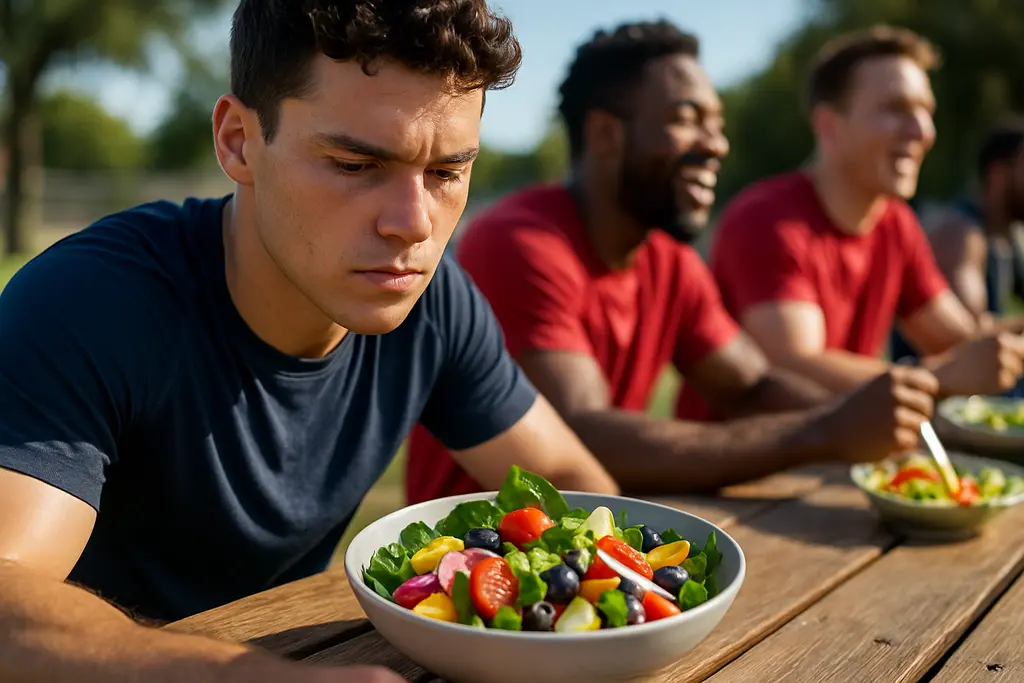
Eye Health Nutrition is not a shortcut to faster sprint times or a cure for tired eyes. It is better understood as one part of a recovery system: food quality, antioxidant status, visual comfort, daylight habits, sleep timing, and sensible screen use. For athletes, that matters because vision is used in nearly every decision: tracking a ball, reading a defender, reacting to glare, or judging distance under stadium lights.
The evidence is strongest for modest, practical steps rather than dramatic claims. Carotenoids such as lutein and zeaxanthin can increase macular pigment optical density, a marker tied to how the central retina filters light. Antioxidant intake may help support tissues under exercise-related oxidative stress, but dose, baseline diet, training load, and sport context all matter. Light exposure also cuts across recovery: evening screen light can impair sleep, while morning daylight patterns may support better sleep timing. None of this replaces medical care for eye pain, sudden vision loss, flashes, halos, or persistent symptoms after a head impact.
What The Evidence Says About Visual Fuel
Carotenoids And On-Field Vision
Lutein and zeaxanthin are dietary carotenoids that accumulate in the macula. Research summarized in an ISSN position stand reports that these nutrients can raise macular pigment optical density, with studies using about 10 to 30 mg per day across 8 to 12 weeks and showing changes in visual performance measures such as contrast sensitivity, glare handling, and reaction time. Those outcomes are relevant to sport, especially for athletes who work in bright sun, under floodlights, or in fast ball-tracking settings.
The cautious reading is that carotenoids may support the visual system; they do not guarantee better performance. A soccer winger still needs timing, strength, tactical awareness, and clean recovery habits. A baseball hitter still needs practice against varied pitch speeds. The nutrition piece may help create better conditions for the eyes to function, but it should not be sold as a stand-alone performance tool.
Antioxidants Without The Hype
Training raises metabolic demand. The retina is also metabolically active and exposed to light, so antioxidant status is a reasonable area of interest. The research notes for this article point to vitamins C and E, zinc, selenium, flavonoids, and carotenoids as nutrients linked with retinal cell protection and recovery support. That does not mean athletes should chase high-dose supplement stacks without oversight. Food-first patterns remain the safer starting point: leafy greens, orange vegetables, eggs, citrus, berries, nuts, seeds, legumes, and seafood where appropriate.
Vitamin A also appears in the research notes as a nutrient tied to photoreceptor function and visual pigment regeneration. For athletes, the practical message is sufficiency, not excess. Too little can be a problem, but more is not always better, especially with fat-soluble vitamins. Any supplement plan should be reviewed with a qualified clinician or sports dietitian, particularly for youth athletes, pregnant athletes, or anyone using prescription medication.
Eye Health Nutrition For Recovery
Eye Health Nutrition In Meal Timing
Recovery meals are usually framed around muscle glycogen, protein synthesis, and hydration. That frame is useful, but it can miss the visual system. This is where Eye Health Nutrition fits into the everyday plate. A post-training meal with colorful vegetables, a protein source, healthy fats, and carbohydrate can serve several recovery needs at once. Fat can help absorption of carotenoids from greens and orange vegetables. Protein supports tissue repair. Carbohydrate helps restore training fuel.
For community athletes, the approach does not need to be expensive. A simple recovery bowl with spinach, eggs or beans, roasted sweet potato, olive oil, and fruit covers several nutrient categories named in the research. A fish, rice, and vegetable meal can do the same. For a food-first discussion that sits close to this topic, our related piece on sports eye nutrition reviews practical choices for athlete vision support.
Where Food Fits Before Supplements
Supplements may be useful in selected cases, especially when intake is low or a sports dietitian identifies a clear gap. Still, the research base is not a permission slip for random dosing. Some studies use controlled doses and defined timelines, such as 8 to 12 weeks for carotenoid changes. That structure is different from buying several products and hoping for quicker recovery.
A better team process is to ask three questions. Is the athlete eating enough total energy? Are colorful plant foods and healthy fats present most days? Is sleep being protected so nutrients can work within a wider recovery plan? Readers following related athlete wellness coverage across the same network can also find broader health features at Mengo Ind.
Light Exposure, Sleep, And Recovery Load
Smartphone Light And Next-Day Performance
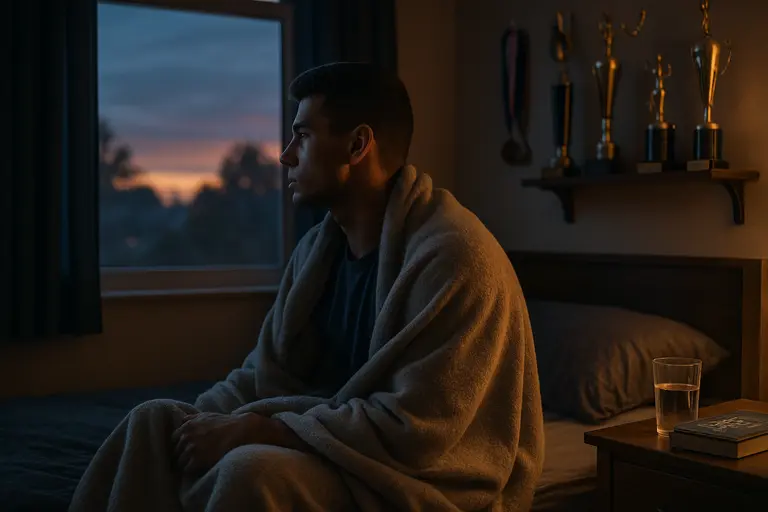
Nutrition cannot carry recovery if sleep is being cut short. A 2026 randomized controlled trial in elite soccer players found that evening smartphone exposure worsened sleep quality, reduced total sleep time, and impaired next-day physical and cognitive performance measures including jumping, reaction time, and agility, according to the elite soccer trial. That finding is field-relevant because many athletes use phones for film review, messaging, schoolwork, travel, or relaxation late at night.
The lesson is not that phones are dangerous in every setting. It is that timing, brightness, and duration can affect recovery conditions. If a player is struggling with poor sleep after late training, reducing evening screen exposure may be a low-cost step to test. Teams should be careful not to treat one trial as settled science for every sport or age group, but the direction fits a broader recovery principle: protect sleep before chasing marginal gains.
Daylight As A Training Variable
The research notes also describe 2024 data in professional male Australian Football players showing that greater morning and daytime daylight exposure correlated with longer total sleep time and better subjective sleep quality, while evening light exposure was linked with worse sleep disturbance scores. Correlation does not prove cause, but it gives coaches a useful question: are athletes getting enough daylight early enough in the day, and are they getting too much bright light at night?
That question connects vision, circadian timing, and recovery. Morning outdoor warm-ups, bright but comfortable daytime environments, and dimmer pre-sleep routines may support the body clock. Athletes who have migraine, concussion history, light sensitivity, or diagnosed eye disease need individual advice rather than generic light plans. For everyone else, light timing is a recovery variable worth tracking alongside soreness, mood, resting fatigue, and training quality.
Eye Health Nutrition In Team Recovery Plans
Practical Checks For Coaches And Athletes
A team recovery plan should not turn eye health into another source of anxiety. The goal is to build small checks into routines that already exist. Coaches can ask whether athletes are eating colorful foods across the week, whether late-night screen habits are cutting into sleep, and whether glare or visual fatigue is changing practice quality. Athletic trainers can flag symptoms that need referral rather than trying to solve them with diet.
- Food pattern: Include leafy greens, orange vegetables, fruit, nuts, seeds, and protein across the week.
- Recovery timing: Pair post-training carbohydrate and protein with colorful plant foods when practical.
- Light habits: Reduce bright phone exposure close to bedtime when sleep is poor.
- Symptom safety: Refer sudden vision change, eye pain, halos, flashes, or post-concussion visual symptoms for medical care.
Eye Health Nutrition works best as a steady habit, not a rescue tactic after a poor night or a hard match. The athlete success stories that last in local clubs often come from boring consistency: enough food, enough sleep, smart training, and early attention to warning signs. For vision, the same rule applies. Feed the system, manage light exposure, respect symptoms, and keep claims proportional to the evidence.