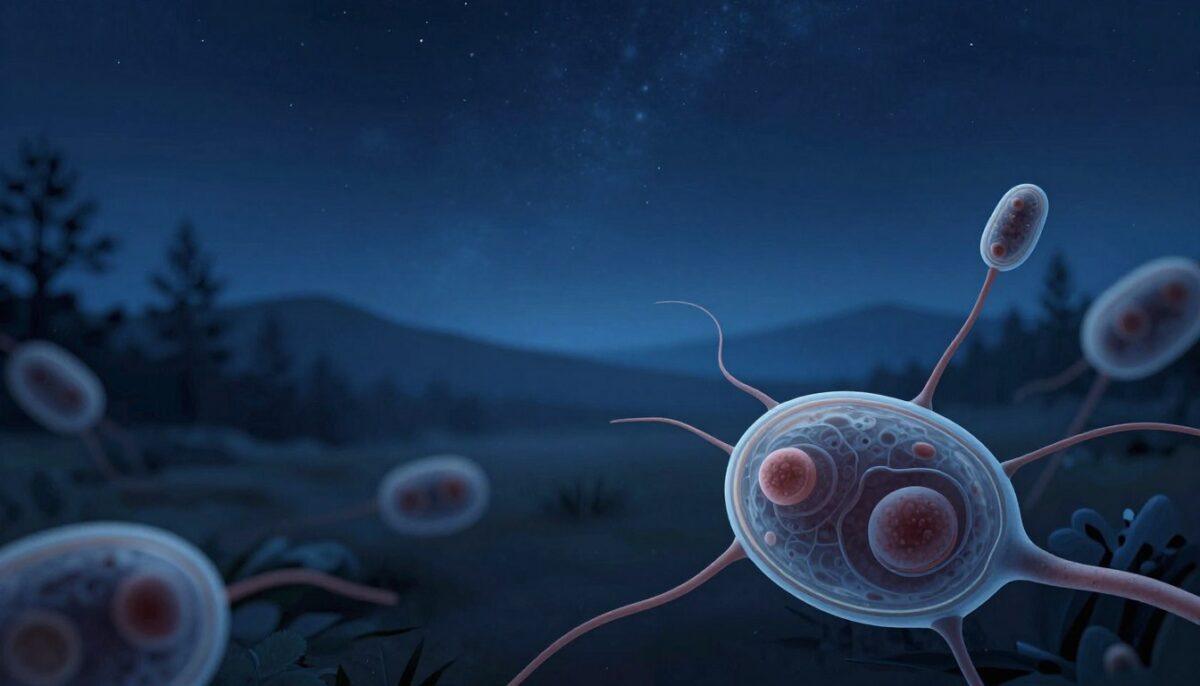
Human vision in low light depends on special cells called rods. These cells are found outside the central retina. They help us see what’s happening around us.
Rod photoreceptors are very sensitive to light. This lets us see in dim places, like at dusk or under the moon.
The process of dark adaptation is key to rod function. After being in bright light, rods make a chemical called rhodopsin. This process helps them get back to being sensitive to light.
Research shows that rod health is very important. The macula, a part of the retina, has lots of rods. When these rods start to break down, it can be a sign of eye problems, like Age-related Macular Degeneration.
Not being able to adapt to dark is a sign of eye trouble. It shows changes in the retina before we can see them. This shows how important rods are for our vision.
Vitamin A Pathways and What Athletes Need
Retinol, the pre-formed vitamin A from animal sources, is key for night vision. It’s part of rhodopsin, a photopigment in rod cells. This captures light to start the visual signal.
The visual cycle is ongoing. Light breaks down rhodopsin, releasing retinol. The retina must quickly recycle and rebuild it to keep sight. This process needs a steady vitamin A supply.
Diet offers vitamin A in two main forms. Pre-formed retinol is found in animal products like liver, eggs, and dairy. Plant foods like sweet potatoes and spinach have provitamin A carotenoids, like beta-carotene. The body must convert these into active retinol.
This conversion is not very efficient and varies by person. Factors like genetics, digestive health, and dietary fat intake affect it. Only a small part of beta-carotene becomes usable retinol. This is important for planning nutrition.
Athletes have special needs for this system. Sports that require quick visual adjustments cause faster rhodopsin bleaching. Quick regeneration is key for performance. A deficiency, linked to impaired absorption, can cause night blindness.
The table below shows the main dietary sources of vitamin A. It highlights key differences for athletes.
| Source Type | Primary Form | Bioavailability | Key Considerations for Athletes |
|---|---|---|---|
| Animal Products | Pre-formed Retinol | High. Directly usable by the body. | Efficient support for rapid rhodopsin regeneration. No conversion required. |
| Plant Foods | Provitamin A Carotenoids (e.g., Beta-carotene) | Variable. Conversion to retinol is limited. | Requires dietary fat for absorption. Genetic factors affect conversion efficiency. |
| Fortified Foods & Supplements | Often Retinyl Palmitate (a retinol form) | High. Designed for reliable absorption. | Useful for ensuring intake, even when traveling. But, it must be dosed carefully to avoid toxicity. |
Athletes need reliable and efficient vitamin A delivery to the retina. This supports their sport’s visual cycle demands. Making smart dietary choices is key to improve athletic eye health.
Low-Light Demands by Sport (Soccer, Cycling, Motorsport)
Soccer, cycling, and motorsport all need good vision in the dark. The way our eyes work in low light is tested in these sports. Each one has its own visual challenges that affect how well athletes do and stay safe.
In soccer, players have to track a ball under the stadium lights. The field’s background and moving players make it hard to see. Players use their side vision to spot movement and where things are without looking straight at them.
Being good at night games in soccer relies on this side vision. Rod cells help us see movement in the dark. Players need to see their teammates and opponents to make quick decisions and control the ball.
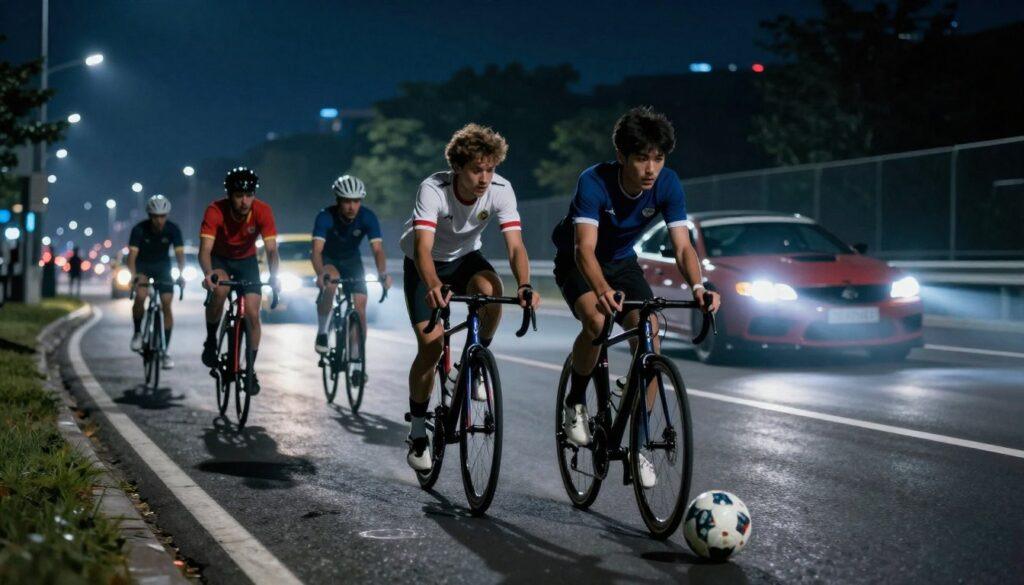
Cycling faces different challenges, like riding at dawn or dusk. The light changes fast during these times. Riders must watch the road, which can be uneven, and deal with glare from headlights.
Cyclists need to see small differences in light and dark well. Rod cells help them spot things like potholes and road changes. This skill is key to staying safe and fast in the dark.
Motorsport is the toughest for seeing in the dark. Drivers go from bright to dark parts of the track fast. They need to see clearly and judge distances quickly.
Rod cells must work fast to keep vision clear. If they can’t, drivers might lose their sense of space. This is even more important in motorsport because of the high speeds.
| Sport | Primary Low-Light Challenge | Key Rod Cell Function | Performance Implication |
|---|---|---|---|
| Soccer | Tracking ball against complex background under stadium lights | Peripheral motion detection | Enables rapid passing and spatial awareness during night games |
| Cycling | Navigating roads with variable ambient light and headlight glare | Contrast sensitivity | Essential for identifying road hazards and maintaining safe speed |
| Motorsport | High-speed transitions between bright and dark track zones | Dynamic visual acuity and rapid dark adaptation | Critical for vehicle control, braking points, and depth judgment |
The table shows how each sport affects our eyes in the dark. It highlights the need for vitamin A to keep our vision sharp. Good vision in the dark is key for success in these sports, and it depends on what we eat.
Food Sources: animal vs plant; absorption tips with fat
Dietary vitamin A comes in two main forms. Animal products have pre-formed retinol, ready for use. Plants have provitamin A carotenoids, like beta-carotene, which the body converts to retinol.
Animal sources of retinol are very potent. Beef liver is a top source. Dairy items like cheese and whole milk also have it. Fatty fish and fish liver oils are other good sources.
Plant foods are full of provitamin A. Orange vegetables like sweet potatoes and carrots are packed with beta-carotene. Dark leafy greens and biofortified crops are also good sources.
Studies show that biofortified orange maize can help. It boosts night vision in kids who are a bit short on vitamin A. This shows how engineered foods can help in nutrition.
For both forms to be absorbed well, you need dietary fat. Vitamin A is fat-soluble. Eating these foods with healthy fats helps a lot.
Here are some tips to pair foods for better absorption:
- Drizzle olive oil on cooked carrots or greens.
- Add avocado or nuts to spinach salads.
- Eat dairy products with meals.
- Cook orange veggies with a bit of butter or oil.
The difference between animal and plant sources is clear:
| Source Type | Primary Examples | Active Form | Key Consideration |
|---|---|---|---|
| Animal (Retinol) | Liver, dairy products (cheese, butter), oily fish | Pre-formed, direct use | High bioavailability; intake monitoring advised |
| Plant (Provitamin A) | Sweet potatoes, carrots, pumpkin, leafy greens, orange maize | Beta-carotene, requires conversion | Conversion rate varies; requires dietary fat for absorption |
Nutrition experts recommend a food-first approach. This means focusing on whole foods over supplements. It’s better for overall health and fights against ultra-processed foods.
For athletes and those who need good vision, eating these foods daily is key. Mix animal and plant sources and pair with fats for the best vitamin A intake.
Zinc and Other Synergies
Zinc is key in unlocking vitamin A’s power for better sight. It helps vitamin A work in the eyes. This is a basic partnership in our body.
Zinc is needed for two important vitamin A tasks. First, it helps make retinol-binding protein (RBP). This protein carries vitamin A to the eyes and other parts of the body.
Second, zinc helps turn stored retinol into active retinal in the retina. Retinal is what rod cells use to see light. Without enough zinc, this process doesn’t work well.
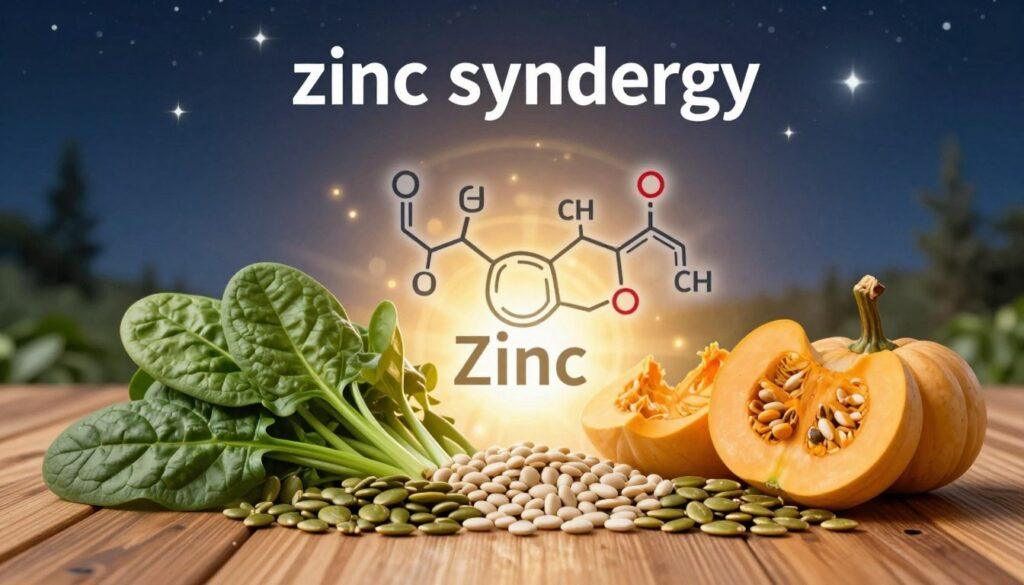
Other nutrients also work together with zinc. Vitamins C and E are examples. They protect the eyes from damage caused by intense activity in low light.
This idea is important in nutrition for health. The AREDS2 formula for eye health includes zinc. It shows that eye health often needs a mix of nutrients, not just one.
Other nutrients help keep eye cells healthy. They work together to keep photoreceptor cells strong. This shows how complex nutrition for vision is.
Athletes should think about these connections when they eat. Missing out on one nutrient can harm the whole system. Zinc, vitamin A, and antioxidants work better together than alone.
Warning Signs of Low Status and When to Test
Impaired dark adaptation is a key sign of vitamin A deficiency. It shows how slow night vision recovery is. This is because rod photoreceptors can’t make rhodopsin well.
Athletes might notice their vision takes longer to adjust to dark. They might struggle to see contrasts in dim light, like a ball in shadows. These signs are important warnings of a deficiency risk.
In developed countries, severe vitamin A deficiency is rare. But, some people might not get enough. This can happen if they eat very little vitamin A or carotenoids. Also, problems absorbing fat can stop vitamin A from being used well. Athletes who need a lot of energy might not get enough vitamin A from their diet.
Dark adaptation tests are a good way to check vitamin A levels. These tests use special devices to see how well the eyes adjust to dark. They can spot problems before any damage is seen.
| Indicator Type | Description | Measurement Method | Primary Insight |
|---|---|---|---|
| Subjective Symptom | Self-reported slow night vision recovery, poor low-light contrast. | Athlete reporting and history. | Suggests a problem that needs more checking. |
| Functional Biomarker | Impaired dark adaptation kinetics. | Clinical dark adaptometry. | Shows how well rod cells work and gives clear data on eye health. |
| Dietary & Lifestyle Risk | Low intake of vitamin A sources, fat malabsorption issues, high sport demand. | Dietary log analysis, medical history. | Finds people at high risk for vitamin A deficiency. |
Testing is needed if symptoms don’t go away with rest. Athletes who need to perform well in the dark should watch out. People with certain diets or gut problems should also get checked. Early testing can prevent deficiency risk and keep eyes healthy.
Safe Intake Ranges and Toxicity Risks
Supplements like the AREDS2 formula have changed due to risks with high-dose beta-carotene. It’s key to know the safe amounts of vitamin A to take.
Official guidelines help us know how much is safe. The Recommended Dietary Allowance (RDA) is in micrograms of Retinol Activity Equivalents (mcg RAE).
| Life Stage Group | Age Range | RDA for Males (mcg RAE) | RDA for Females (mcg RAE) |
|---|---|---|---|
| Children | 4-8 years | 400 | 400 |
| Children | 9-13 years | 600 | 600 |
| Teens | 14-18 years | 900 | 700 |
| Adults | 19-70+ years | 900 | 700 |
| Pregnancy | 19-50 years | N/A | 770 |
A critical distinction is between pre-formed vitamin A and provitamin A. Pre-formed vitamin A comes from animals and supplements. Provitamin A carotenoids, like beta-carotene, are in plants.
Too much pre-formed vitamin A can cause hypervitaminosis A. This can harm the liver, eyes, and bones. It often happens from supplements or eating too much liver.
On the other hand, beta-carotene from food is generally safe. Our body controls how much it turns into active retinol. Studies, like the Age-Related Eye Disease Study, showed no benefits for those without AMD on high doses. This led to removing high-dose beta-carotene from AREDS2 for smokers due to risks.
We should get nutrients mainly from food. Taking high doses of supplements needs a doctor’s advice. This helps avoid risks and ensure we get what we need.
Sample Night-Game Fueling Plan
This sample daily plan shows how to add vision-critical nutrients before an evening game. It uses science on vitamin A, fat pairing, and mineral synergy. The aim is to help see well in the dark during the game.
The illustrative schedule is for an athlete starting at 7:00 PM. Each meal combines key nutrients from earlier sections.
- Breakfast (8:00 AM): Scrambled eggs with spinach and olive oil. Add whole-grain toast. Eggs give pre-formed retinol, and olive oil helps absorb it.
- Mid-Morning Snack (11:00 AM): Plain Greek yogurt with pumpkin seeds. Yogurt and seeds offer protein and zinc for vitamin A transport.
- Lunch (1:30 PM): A mix of baked sweet potato, lean ground beef, and avocado. Sweet potato has beta-carotene, beef has iron and zinc, and avocado aids in carotenoid absorption.
- Pre-Game Meal (4:00 PM): Grilled chicken, steamed broccoli, and quinoa with olive oil. This meal is light to avoid stomach issues. Olive oil helps use fat-soluble vitamins.
- Post-Game Recovery (10:00 PM): A smoothie with milk, banana, and almond butter. It helps muscles recover and replenishes energy without heavy digestion.
Timing is critical. The last big meal is three hours before the game. This lets digestion happen while keeping nutrients in the blood. Drink water all day to stay hydrated.
This plan shows how nutrition science boosts visual performance. It focuses on retinol, carotenoids, zinc, and healthy fats all day for night games.
Travel/Field Meals Under Stadium Lighting
Stadiums and team travel often have food that’s not good for low-light performance. Athletes playing at night or in dim places can’t get the right food from usual places. This is because standard foods don’t meet their visual needs.
Studies say that ultra-processed and fast foods are common at these places. These foods are often missing important nutrients like vitamin A and zinc. They also have a lot of bad fats and refined carbs.
This kind of diet doesn’t help the body work well in low light. Eating these foods can make athletes not ready for games.
It’s important to choose the right foods. Athletes need to eat whole foods that help their vision.
Here are some tips:
- Go for grilled or baked proteins like salmon or chicken instead of fried ones.
- Choose vegetable sides like steamed greens or sweet potatoes to get more vitamin A.
- Have healthy snacks like nuts, seeds, and fruit to keep energy up.
These foods help athletes perform better in low light. They give the eyes what they need to see well.
Athletes and their teams need to plan ahead. They should bring good snacks or find restaurants with better food near the venue.
It’s key to check the food options carefully. The eyes need special fuel, and stadium food often doesn’t provide it.
Good nutrition for night games is more than just fueling up. It’s about getting the right nutrients for low-light performance under stadium lights.
FAQs and myth-busting
Many think eating carrots gives you super night vision. But, carrots do help your eyes in the dark. They don’t make you see better than anyone else.
Vitamin A is key for seeing in the dark. But, it’s not the only thing that matters. Your overall eye health and other nutrients like zinc and omega-3s are important too. Getting better takes time.
Some people believe in AREDS-style supplements for better night vision. But, studies like the Age-Related Eye Disease Study show they’re for certain eye diseases. They don’t help everyone or improve night vision for all.
There’s mixed evidence on omega-3s for dry eye. It’s not a magic fix for better vision.
Getting your eyes to adapt to the dark takes more than just food. You need a balanced diet, the right nutrients, and to know what your body needs. Taking too much of one thing won’t replace good eye care and a smart diet.