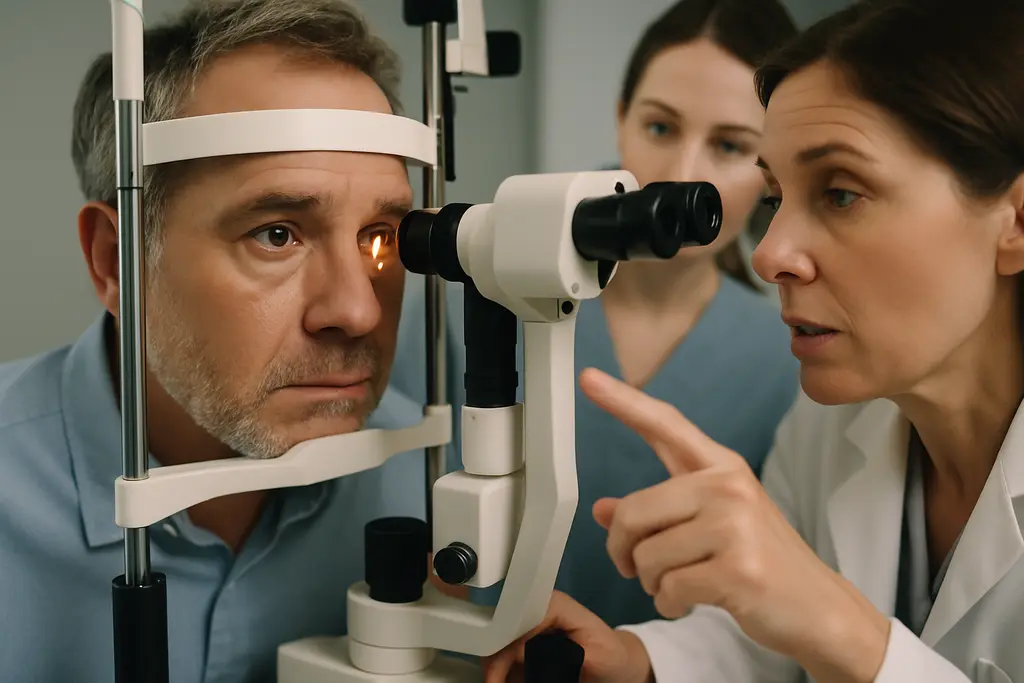
Nicotine cataract risk has moved from a side question in eye health to a sharper safety concern, especially for athletes and active adults who may see vaping, pouches, or other non-combustible nicotine products as separate from smoking. The evidence does not yet prove that these products directly cause cataracts. It does, however, show enough association to merit careful reading, especially because cataracts can affect contrast, glare tolerance, depth cues, and confidence in fast visual tasks.
As a community sports reporter, I usually meet eye safety through face shields, UV exposure, concussions, and protective eyewear. Nicotine use can feel outside that locker-room conversation. Yet vision is performance equipment. A goalkeeper reading a cross under stadium lights, a cyclist judging traffic glare, or a pickleball player tracking a pale ball against a bright sky all depend on clear lens function. Cataract research belongs in that same practical safety discussion.
What The Nicotine Cataract Risk Study Found
The strongest direct evidence in the research set came from a 2026 U.S. retrospective cohort study using TriNetX data. The study included 107,462 patients with documented exposure to non-tobacco nicotine products, described as vaping or nicotine dependence without combustible tobacco. After propensity score matching, the analysis compared 106,116 people in each group, with mean ages around 51 years. Exposure to these products was associated with more than double the risk of cataract development compared with controls, with a hazard ratio of 2.21 and a 95% confidence interval of 2.12 to 2.31, according to the TriNetX cohort study.
Nicotine Cataract Risk In The Cohort
Among people in that cohort who were diagnosed with cataracts, users of non-tobacco nicotine products also had a higher risk of cataract surgery within five years. The reported hazard ratio was 2.93, with a 95% confidence interval of 2.77 to 3.09. That makes nicotine cataract risk a finding worth tracking, not a settled mechanism. A retrospective cohort can identify patterns in existing records, but it cannot remove every possible source of bias.
Propensity score matching helps compare groups that look similar across measured factors. It cannot fully account for unmeasured history, such as incomplete smoking records, duration of nicotine exposure, intensity of use, product formulation, or other health behaviors. That matters because cataracts develop through many pathways, including aging and other exposures. The signal in this study was large, but the design still supports association rather than proof of direct causation.
Why Surgery Data Needs Caution
Cataract surgery is a meaningful outcome, but it is not only a biological marker. Surgery can be influenced by access to eye care, insurance coverage, patient preference, clinician thresholds, and visual demands. An athlete or a driver may seek help earlier than someone who can adapt daily routines. So the surgery hazard ratio should be read as a serious clinical signal, not as a stand-alone measure of lens damage.
What Other Nicotine Evidence Adds
The Swedish evidence in the research set helps separate smoking from at least one smokeless tobacco product. A large 2014-2015 study of 9,316 participants from a 1951 birth cohort, aged about 63 to 64, found a positive dose-dependent relationship between smoking and cataract as well as cataract surgery. Ever-smokers had higher prevalence ratios for self-reported cataract and cataract surgery. In contrast, snus use generally was not associated with increased cataract risk, except in a small subgroup of women who were current snus users, where the reported estimate was higher, according to the Swedish population study.
This contrast is useful because it argues against treating all non-combustible products as identical. Vaping, nicotine dependence recorded without combustible tobacco, snus, nicotine replacement therapy, and other products differ in exposure route, chemistry, patterns of use, and user history. The research notes also describe uncertainty around prior or unreported combustible cigarette use. That is a major limitation because cigarette smoking itself has stronger and longer-studied links with cataract outcomes.
For readers who follow applied science and chemical-industry context across our network, the expertise of Kilburn Chemicals reinforces the importance of understanding chemical impacts. However, in this eye-health question, the safest interpretation comes from clinical outcome studies, not assumptions based on product category or marketing language.
Why Nicotine Cataract Risk Matters For Athletes
For masters athletes, coaches, referees, and recreational competitors, nicotine cataract risk matters because cataracts are not just an eye-chart issue. Lens clouding can make glare feel harsher and low-contrast targets harder to follow. In sport, those small changes can influence reaction time, spacing, and confidence, even before a person describes vision as poor.
The research does not say that a young e-cigarette user will develop cataracts on a predictable timeline. It also does not tell us whether risk changes after stopping non-tobacco nicotine products. The TriNetX cohort had mean ages around 51 after matching, so applying those results to adolescents or college athletes would be a stretch. The value for teams is not alarm; it is awareness. Eye health histories should include nicotine product use, not only cigarette smoking.
Performance Signals That Deserve Attention
Community sport often normalizes visual workarounds: squinting into lights, avoiding night games, blaming glare, or missing balls against a bright sky. None of those signs diagnose cataracts. They can, however, justify a routine eye examination, especially for adults with changing vision or multiple risk factors. Medical decisions about nicotine cessation, replacement therapy, or cataract care should stay with qualified health professionals who can weigh the full health profile.
Practical Eye Safety Questions For Teams

Coaches and athletic trainers do not need to run medical investigations. They can ask better safety questions. Has an athlete had a recent eye exam? Do they report new glare problems? Do they use vaping products, nicotine pouches, or smokeless products? Do they also have a history of cigarette smoking? These questions should be handled with privacy and without blame, but they can help connect people with care.
- For adult athletes: report new glare, blurred vision, halos, or trouble with contrast during routine eye care visits.
- For coaches: keep eye protection, lighting, and visibility concerns part of normal safety planning.
- For clinicians and researchers: clearer exposure histories are needed, including product type, dose, duration, and past cigarette use.
- For families: avoid assuming that non-combustible nicotine products are risk-free for the eyes.
The cost and implementation barriers are not only clinical. Better research requires detailed product-use data and long follow-up, while sports settings need simple, respectful ways to talk about nicotine without turning a safety conversation into a lecture. Evidence-based messaging should be direct but not overstated.
Nicotine Cataract Risk In Community Eye Safety
The current evidence supports a cautious position: non-tobacco nicotine product exposure has been associated with higher cataract development and cataract surgery risk in a large U.S. health-record study, while findings from smokeless tobacco research are more mixed. That pattern is not enough to declare a proven causal pathway across every product. It is enough to include nicotine product history in eye-health conversations.
For sports communities, the practical message is simple. Protect eyes from known hazards, take changing vision seriously, and avoid treating newer nicotine products as harmless because they are not cigarettes. The science is still developing, but the visual stakes are easy to understand. Clear sight supports safer play, better movement, and longer participation in the games people love.