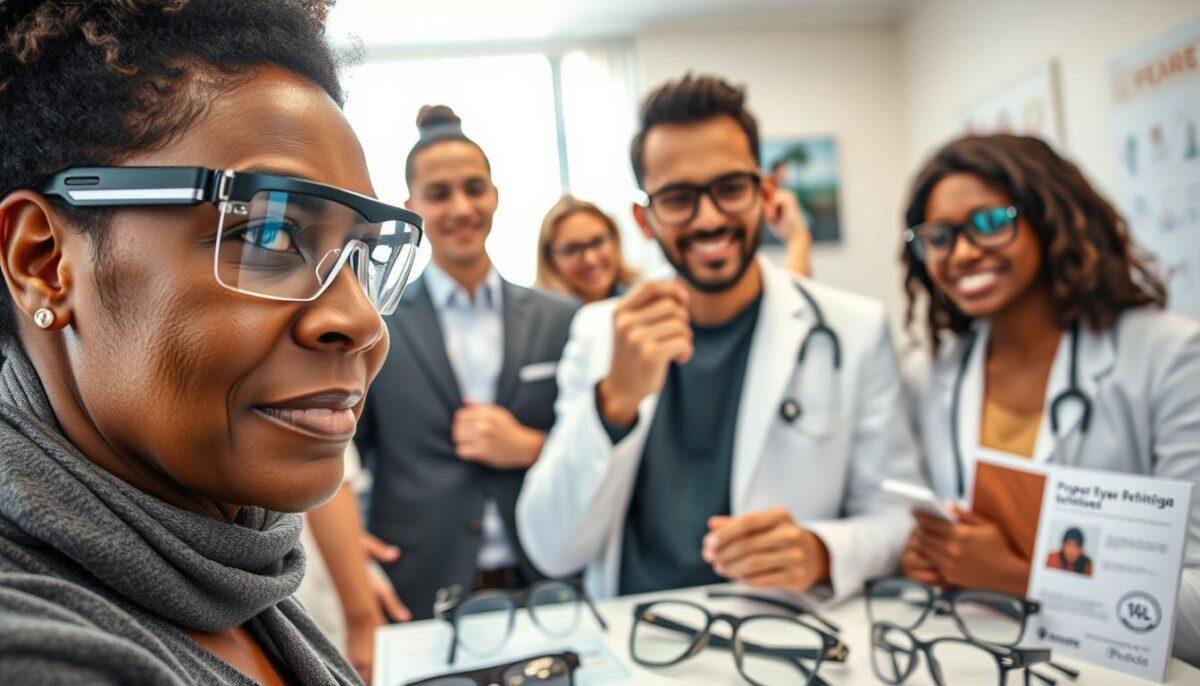
Eye injuries are more common than you might think. Almost 90% of these injuries could be prevented. Yet, many people ignore wearing the right protective gear.
You might end up in the emergency room for a DIY mishap. It’s not because of an exciting adventure, but because you didn’t wear the right glasses.
In 2024, over 43,000 sports-related eye injuries were reported. This is a 33% increase from the year before. Many people don’t wear any protection or wear the wrong kind.
Repeat injuries are like a bad movie sequel. They keep happening, even though they shouldn’t. It’s time to get better protection.
Recovery is not just about healing. It’s also about preventing the same injury from happening again.
Standards ASTM F803 ANSI Z87.1 CSA and label reading
Understanding safety certifications can be tough. But it’s key for protecting your eyes. Let’s explore the main standards for eyewear safety, focusing on sports goggles.
Decoding the alphabet soup of safety certifications
Ever tried to read the inside of glasses frames? It’s common. These letters mean a lot for your eye protection. Here’s what you need to know:
- ANSI Z87.1: This standard covers basic and high-impact ratings for lenses and frames.
- ASTM F803: It’s a must for sports goggles in racquet sports, basketball, and more.
- CSA: The Canadian version, ensuring safety for athletes in Canada.
The “+” after Z87 means higher impact resistance. It’s vital for anyone facing a hard hit on the court.
Where to find permanent markings and what they actually mean
When buying protective eyewear, look for labels on lenses and frames. These labels are your safety guides:
- Z87: Basic impact rating.
- Z87+: High-impact rating.
- D3: Protection against droplets and splashes.
- D4: Dust protection.
- D5: Fine dust protection.
- Z87-2: Shows it’s prescription safety eyewear.
For more on ASTM F803, read this article on ASTM F803 standards. It’s a game-changer for athletes and a must-read for anyone who values their sight.
Frame fit bridge temples straps ventilation cushion helmet overlap
Wearing eyewear that doesn’t fit right is not just a fashion mistake. It’s a safety hazard. Your eyewear should fit snugly against your face, without touching your eyelashes. The gap around your frames should be no more than a pencil’s width, about 6-8mm.
Too much space can let debris in. And trust me, debris doesn’t care about your grades.
The pencil-width test is a simple way to check if your eyewear fits. If you can fit a No. 2 pencil between your face and the frames, it’s time to look for a better pair. Your lenses should cover your eyebrows and soft tissues, protecting you from harm.
Next, the temples and straps should hold your eyewear securely without discomfort. No one wants goggles that feel like they’re digging into their head. The weight should be evenly distributed, avoiding pressure points.
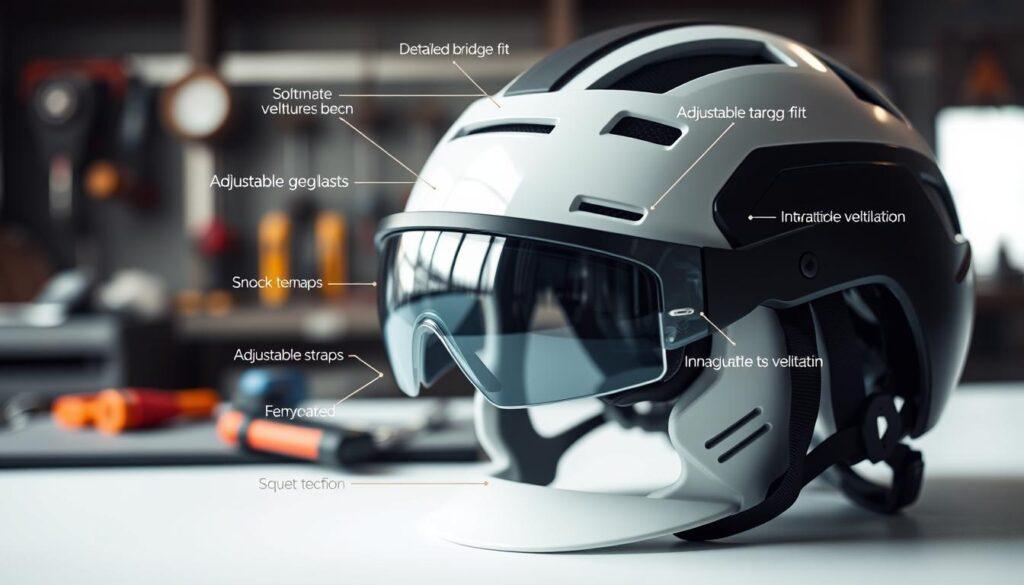
The Pencil-Width Test and Other Fitting Rituals
Ventilation is also key. You don’t want your goggles to be too tight, but you also need to keep dust and splashes out. The right cushion material is important, as cheap foam can degrade quickly.
When Helmets Enter the Equation: Overlap Compatibility
Helmet integration is another important factor. Many athletes find out too late that their goggles don’t work with their helmets. This can leave a gap at the brow, making you vulnerable to impacts. Always check if your eyewear works with helmets, respirators, or hearing protection.
In the world of protective eyewear, fit is critical. Poor fitting can lead to serious injuries. Don’t risk it.
Lens choices polycarbonate trivex tints photochromic AR and anti fog
Choosing the right lens is as important as picking a good teammate. You have two top contenders: polycarbonate lenses and Trivex. Both protect your eyes but offer different benefits.
Polycarbonate vs. Trivex: The Heavyweight Showdown
Polycarbonate lenses are tough and light, blocking all harmful UV rays. They’re like the dependable friend who’s always there. Trivex, on the other hand, is like the overachieving sibling. It offers clearer vision and is more resistant to chemicals.
Both need scratch-resistant coatings to stay in top shape. You don’t want a smudge ruining your view.
Tints, Photochromic Sorcery, and the Anti-Fog Arms Race
Photochromic lenses change color in sunlight, but can be slow in cold. Anti-fog treatments are key for active people or those moving between temperatures. Foggy lenses are like no lenses at all.
Here’s a quick comparison of the lens options:
| Feature | Polycarbonate | Trivex |
|---|---|---|
| Impact Resistance | Excellent | Excellent |
| Weight | Lightweight | Lighter |
| Optical Clarity | Good | Superior |
| UV Protection | 100% | 100% |
| Chemical Resistance | Good | Excellent |
In conclusion, while polycarbonate lenses are great, Trivex has its own perks. Remember, fog control treatments need to be reapplied. And please, don’t wipe your lenses with your shirt tail.
Sport picks basketball racquetball soccer baseball lacrosse hockey biking
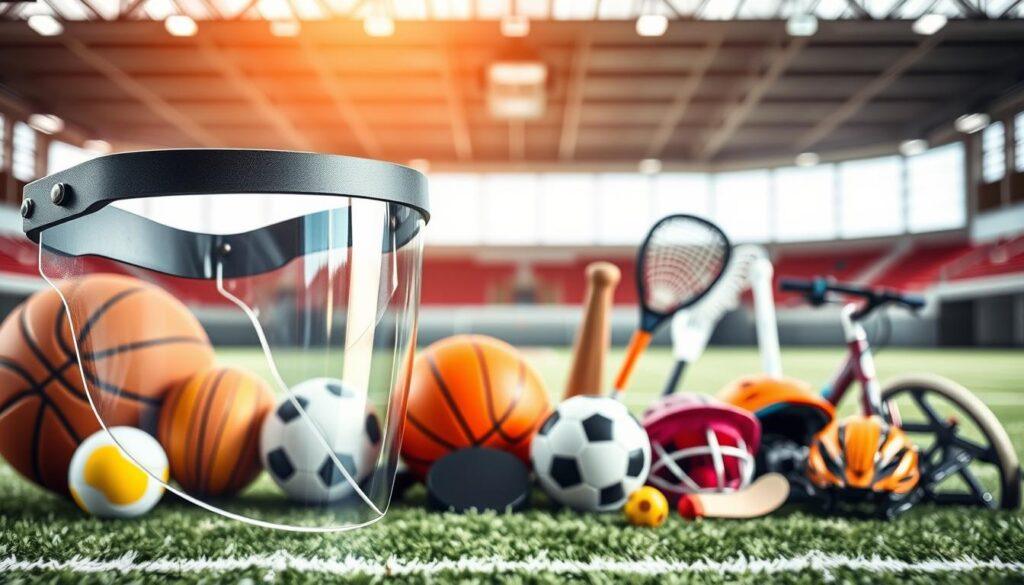
In sports, the stakes are high, and eye protection is key. Each sport has its own challenges. The right eyewear can make a big difference.
Court Sports vs. Field Sports: Different Risks, Different Shields
Basketball and racquetball are intense. Fast-moving balls and elbows make protective eyewear a must. Goggles that cover the whole eye area are best.
Soccer has its own risks. Even a headed ball can cause serious eye damage. Special goggles can help keep your eyes safe without slowing you down.
Baseball and lacrosse are even more dangerous. Fast-moving objects make protective eyewear essential. Players need masks or helmets with face guards to stay safe.
Hockey, Biking, and the Full-Face Shield Debate
Hockey players need full face shields or wire cages. The debate is between full shields and cages. Shields protect better, but cages let in more air.
Biking is also risky. Wraparound shades protect against wind, bugs, and debris. At high speeds, even small objects can be dangerous.
Swimming goggles are not for racquet sports. This mistake is common. Always choose the right eyewear for your sport.
| Sport | Recommended Eyewear | Key Risks |
|---|---|---|
| Basketball | Polycarbonate Goggles | Impact from balls and elbows |
| Soccer | Protective Goggles | Headed balls |
| Baseball | Fielder’s Mask | Fast-moving projectiles |
| Hockey | Full Face Shield or Cage | High-impact collisions |
| Biking | Wraparound Shades | Wind, insects, debris |
Prescription options inserts vs direct Rx cost and clarity tradeoffs
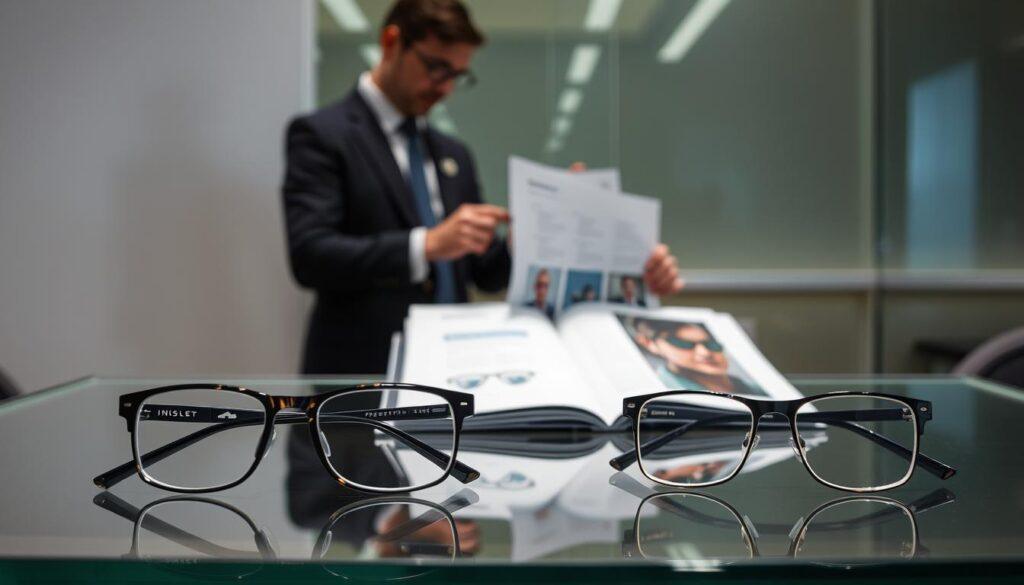
Choosing the right prescription for protective eyewear can be tricky. You have two main options: direct prescription lenses in your safety glasses or inserts with your corrective lenses behind a shield. Each choice has its supporters and critics, much like the debate over the best pizza topping.
Inserts versus Direct Prescription: The Optical Trade-Off
Direct prescription lenses give you clear vision. They don’t have extra surfaces for light to bounce off. But, they can be expensive and hard to replace if your prescription changes.
On the other hand, inserts are cheaper upfront. They’re flexible but can cause a “hall-of-mirrors” effect at the edges of your vision. They also make fogging up a bigger problem. It’s a trade-off, but that’s life, right?
Cost Analysis: When Clarity Justifies the Price Tag
Let’s look at the costs:
| Option | Cost | Clarity | Flexibility | Replacement Ease |
|---|---|---|---|---|
| Direct Prescription | High | Excellent | Low | Low |
| Inserts | Moderate | Good | High | High |
In summary, direct prescription lenses offer the best vision but cost more. Inserts are cheaper and flexible but may not be as clear. Remember, the Z87-2 marking is key. If it’s not there, your safety gear might not be safe for your eyes.
Care and replacement scratch checks strap aging anti fog reapply schedule
You’ve made a wise investment in protective eyewear, but keeping it up is key. Like any good relationship, your eyewear needs care to work best. Let’s explore the basics of keeping your gear in top condition.
The Scratch Inspection Ritual and Strap Rot Warning Signs
First off, let’s talk about scratches. Hold your lenses up to a light at an angle to check for them. Polycarbonate lenses scratch easily, almost like a cat at a closed door. If you see scratches, it’s time for new lenses.
Dirty or damaged lenses can cause glare and reduce visibility. This increases the risk of accidents.
Now, let’s look at straps. Over time, elastic materials break down, and silicone can harden. If your goggles can’t seal during a head turn, they’re not doing their job. Check for wear and tear regularly. If you see fraying or loss of elasticity, it’s time for new straps.
Anti-Fog Reapplication: A Maintenance Schedule You’ll Actually Follow
Anti-fog coatings need regular reapplication. Check the manufacturer’s schedule for when to reapply. Keeping your lenses clear is key for performance, and a little effort goes a long way.
For cleaning, wash your eyewear daily or after each use with mild soap and warm water. Rinse well and dry with a clean, soft cloth. Avoid paper towels or rough materials that can scratch. Store your eyewear in a clean, dry place, away from sunlight and extreme temperatures. These simple steps will help your eyewear last longer and work better.
In summary, treating your protective eyewear with care is essential. Regular checks, timely replacements, and good maintenance will keep your vision safe and clear. Your eyes are worth it!
Integrate with RTP protocols and physician guidance
Returning to sports after an eye injury means your doctor is key. They help you follow return-to-play (RTP) protocols. These rules protect your eyes as they heal and prevent more harm.
Your body needs time to heal after an eye injury. Rushing back can cause more problems. Your eye doctor will give you a recovery plan that fits your injury and sport. They might say you can do drills but not full games yet. Wearing a face shield during this time is not just a precaution; it’s a must.
Return-to-play protocols: why your doctor is your best teammate
Talking openly with your eye doctor about your sport’s risks is important. Bring your protective gear to your appointments. Discuss what your healing eyes can handle. This talk is not just about following rules; it’s about keeping your eyes safe.
Communicating with your ophthalmologist about sport-specific risks
What should you ask your doctor? Start with the basics like what signs to watch for or how to pick the right protective eyewear. Remember, feeling fine isn’t always enough. Your doctor wants you to play safely and on time.
Choosing the right protective eyewear and following your doctor’s return plan is smart. It’s not just about looking good; it’s about protecting your vision for the future. So, get ready, stay informed, and make your comeback as smooth as your favorite athlete’s.
Insurance and team bulk buy strategies
When it comes to eye safety, money talks—and sometimes it whispers. Finding the right protective eyewear can be tricky. But don’t worry, we’ll guide you through it.
Insurance for eye protection is often unclear. Some plans cover safety glasses after an injury. Others might not. Knowing the rules is key.
Navigating Insurance Codes for Protective Eyewear
First, let’s understand the insurance codes. The Current Procedural Terminology (CPT) codes for eye protection can be confusing. It’s important to show why you need them.
After an injury, a doctor’s letter can help. It can turn a denial into approval quickly.
Here’s a quick overview of relevant CPT codes that might apply:
| CPT Code | Description | Coverage Type |
|---|---|---|
| 92015 | Determination of refractive state | Often covered |
| 92014 | Comprehensive eye exam | Usually covered |
| 99070 | Supplies and materials | May be covered |
Team Bulk Purchasing: Collective Bargaining for Your Corneas
For teams and leagues, buying in bulk is smart. Ordering ASTM F803-certified goggles for everyone can save money. It also ensures everyone is protected.
Think about this: spending $40 per player on goggles is cheaper than one emergency room visit. Team deals often come with discounts, benefiting everyone.
Remember, if your employer must provide eye protection, you have rights. If your team doesn’t, talk to the parents. Your corneas have a union, and this is their contract negotiation.
Quick fitting checklist and adjustment notes
Fitting protective eyewear is both an art and a science. The main goal is to ensure comfort and safety. Start by checking the bridge of the glasses. If it pinches or slides, it’s time to make adjustments.
A good fit should leave no red marks after five minutes. Next, examine the temples. The pressure should be even, like a gentle hug, not too tight.
The 60-second fitting protocol
Then, check the brow coverage. If your eyebrows show above the frames, the lenses are too low. Use the pencil-width test to gauge the fit. You want less than a pencil’s width, about 6 to 8 millimeters, around the seal.
Remember, if a pencil can slide through, so can debris during play.
Adjustment notes for common fit failures
Strap tension is key. It should be snug enough to stay in place but not so tight it causes headaches. Helmet integration is another common issue. Make sure your eyewear fits well with your helmet. Gaps can lead to injuries, which is a big concern in contact sports.
Common problems include a nose bridge that’s too narrow or temple arms that clash with hearing protection. After washing, straps may loosen, so check the fit often. This checklist helps us take action to ensure our protective eyewear works right. It keeps your vision safe while you enjoy the game.