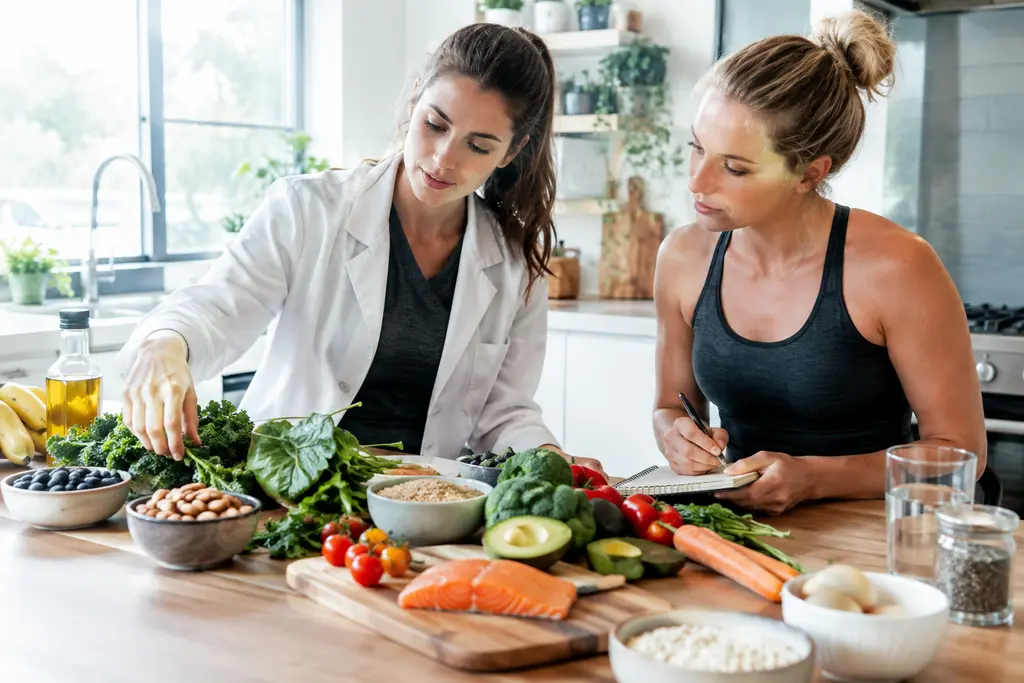
Medically Tailored Groceries sit at an interesting point between nutrition support, chronic disease prevention, and recovery planning. As James Carter, I look at this through a sports-performance lens: better food access can support steadier training, but the strongest published signals are cardiometabolic, not direct vision outcomes. The eye-health angle is promising only because glycemic control, blood pressure, and diet quality are tied to retinal risk pathways. That does not prove that a grocery box prevents diabetic retinopathy or age-related macular degeneration.
How Medically Tailored Groceries Fit Recovery Nutrition
Recovery nutrition is often framed around protein timing, carbohydrate replacement, and hydration. Those are useful, but they miss a larger problem: many people cannot follow a cardiometabolic diet if the food is not affordable, available, or matched to clinical needs. Food access changes the recovery conversation because it moves nutrition from advice into weekly supply.
How Medically Tailored Groceries Are Studied
Medically Tailored Groceries are not one single product. In the research summarized here, programs included plant-forward groceries, weekly boxes, home delivery, and nutrition coaching. Some were connected to health centers; others came through food pantry systems. That matters because a produce box without coaching may not create the same behavior change as groceries paired with one-on-one nutrition support.
For athletes, especially recreational athletes managing type 2 diabetes, hypertension, obesity, or food insecurity, this distinction is practical. Training stress increases the need for consistent meals, but cardiometabolic risk can limit performance over time. A diet pattern that supports blood pressure, body weight, and blood glucose may help the athlete tolerate training better, yet it should be viewed as supportive care rather than a performance shortcut.
Why Cardiometabolic Markers Matter
HbA1c, blood pressure, body weight, and diet quality are not sport-specific metrics, but they influence readiness. High glycemic variability can affect energy stability. Elevated blood pressure can change how clinicians advise training intensity. Higher body mass may alter joint loading. In eye health, these same markers are relevant because retinal vessels are sensitive to long-term metabolic stress.
The cautious interpretation is simple: better food access may improve risk factors that matter for both recovery and retinal health. The direct evidence for eye outcomes, though, is still thin. Most grocery studies did not track retinal imaging, visual acuity, diabetic retinopathy stage, or AMD progression.
Cardiometabolic Results With Food Access Programs
The strongest case for food-based programs comes from measurable cardiometabolic changes. These studies are field-tested in community or clinical settings, not just theoretical diet models. Still, they vary in design, duration, population, and intensity, so the findings should not be pooled casually.
Plant Based Grocery Exposure
One plant-based grocery program followed 68 adults who received weekly groceries from a food pantry between December 20, 2019, and April 1, 2025. The analysis reported dose-related changes versus baseline: each 100-grocery increment was associated with lower diastolic blood pressure, lower weight, and lower BMI CDC plant-based grocery study. That is useful because it suggests duration and repeated exposure may matter.
For recovery practice, the dose signal is relevant. A short burst of healthy food may help for a week. A repeated grocery pattern may be more likely to shift shopping habits, meal structure, and fiber intake. Yet the study does not show that every participant had the same response, and it does not establish direct eye-health protection.
Clinic Based Grocery Boxes
A Federally Qualified Health Center food program paired medically matched grocery boxes with one-on-one nutrition coaching for 9 months. Among 134 patients with food insecurity and nutrition-related conditions, HbA1c fell from 7.4% to 7.0%, BMI declined, fruit and vegetable intake rose, and food insecurity dropped from 89.6% to 36.1% PubMed clinic grocery program.
That combination of clinical access, food supply, and coaching is the part that stands out to me. Groceries alone solve availability. Coaching may help with meal assembly, blood-glucose-aware choices, and realistic substitutions. For an athlete returning from injury or trying to rebuild fitness, this kind of support may reduce the friction between nutrition goals and daily constraints.
Eye Health Implications Without Overclaiming
The retina is metabolically active tissue, and long-term cardiometabolic strain is not friendly to small blood vessels. That makes the eye-health question reasonable. It also makes overstatement easy. The evidence reviewed here supports risk-factor improvement more clearly than it supports direct prevention of eye disease.
Diabetic Retinopathy Risk Signals
Diabetic retinopathy is linked to long-term glycemic burden and vascular stress. If a food program improves HbA1c or blood pressure, it may move risk factors in a favorable direction. The word “may” matters. A grocery intervention that lowers HbA1c over months has not automatically proven a reduction in retinopathy onset, progression, or need for ophthalmic procedures.
For athletes with diabetes, that distinction should shape expectations. Nutrition support can sit alongside eye exams, glucose monitoring, medication plans, and training load decisions. It should not replace retinal screening. If vision changes, new floaters, dark areas, or sudden blur occur, that is a medical issue, not a meal-planning problem.
AMD Nutrition Signals
Age-related macular degeneration brings a different evidence pattern. Research summarized for this topic points toward associations between healthier dietary patterns and slower progression in some AMD cohorts, especially patterns that include vegetables and fish. Those are not the same as MTG trials. They are diet-pattern data, not proof that a prescribed grocery program changes AMD outcomes.
For readers focused on sport and vision, food-first recovery still has value. Colorful produce, adequate omega-3-rich foods where appropriate, and steady cardiometabolic habits fit with a broader eye-supportive diet. For more on athletic recovery and vision-related nutrition, I have also discussed eye health nutrition for athletic recovery.
Implementation Barriers For Athletes And Clinics

A food program can look simple from the outside: deliver groceries, improve diet. In practice, the barriers are substantial. Programs need funding, storage, delivery systems, culturally usable foods, clinical screening, and follow-up. They also need to avoid giving people foods they cannot eat because of allergies, kidney-related restrictions, chewing problems, religious food rules, or medication interactions.
Dose, Duration, And Adherence
Medically Tailored Groceries appear most plausible as a sustained intervention rather than a one-time wellness perk. The research notes point toward longer exposure and consistent dietary input as likely contributors to better results. That aligns with how athletes adapt to training: one session can stimulate change, but repeated sessions create the signal.
Adherence is not only motivation. It is schedule, cooking skill, kitchen access, family preference, and whether the food fits the person’s normal meals. A runner working night shifts may need different grocery support than a retired adult managing diabetes. A contact-sport athlete in a calorie surplus phase may need a different food plan than someone reducing weight for blood pressure control.
Cost And Screening Questions
The current evidence does not settle cost effectiveness across regions. Delivery, dietitian time, food procurement, data tracking, and coordination all add expense. Clinics and community partners need to ask who pays, who qualifies, how outcomes are measured, and what happens when the program ends. For readers comparing related health and industry projects across this network, Mengo Ind offers valuable insights.
- Track HbA1c, blood pressure, weight, and food security before and after program participation.
- Separate cardiometabolic outcomes from eye-specific outcomes in reports.
- Use ophthalmology follow-up for eye disease rather than assuming diet response equals retinal protection.
- Plan for food preferences, cooking access, and medical diet limits before delivery begins.
Medically Tailored Groceries For Eye Health Practice
Medically Tailored Groceries deserve attention because they address a basic recovery problem: people cannot eat recommended foods that they cannot access. The current evidence supports modest improvements in markers such as HbA1c, blood pressure, BMI, diet quality, and food insecurity in specific populations. That is meaningful for public health and potentially useful for athletes with cardiometabolic concerns.
The eye-health case should stay cautious. The best-supported claim is indirect: improved cardiometabolic control may support conditions that are less hostile to retinal health. The unsupported claim would be that groceries alone prevent diabetic retinopathy or AMD. Future programs should include retinal endpoints, longer follow-up, and clear reporting on cost, adherence, safety screening, and who benefits most.